
Outdoor safety
Deck, Porch & Railing Repair
Decks, porches, steps, and railings need careful review because finish damage can sometimes point to a larger structural issue. Steady Craftsman helps homeowners document visible conditions and organize an appropriate repair scope.
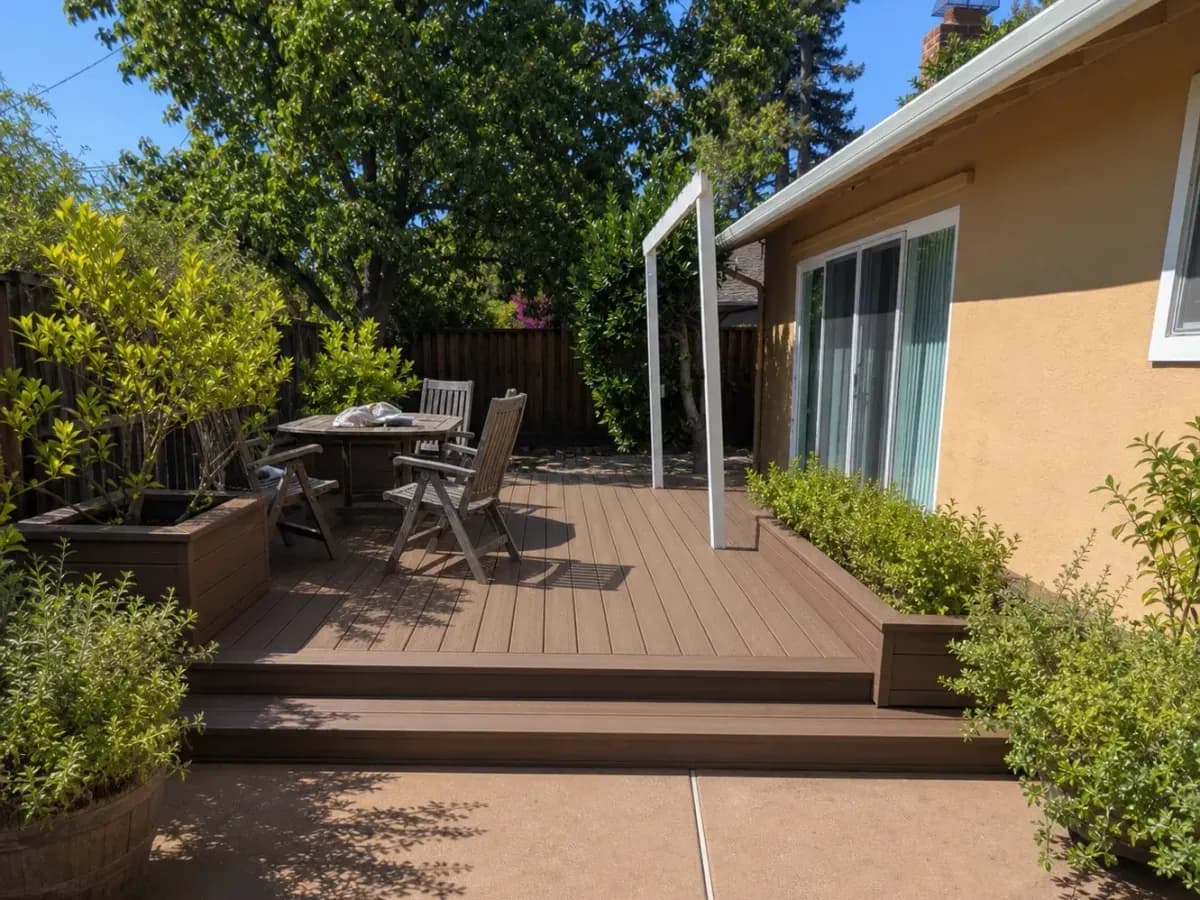
What this can include
- Worn or damaged deck and porch board review
- Loose railing, baluster, handrail, and trim repairs
- Localized step, fascia, and exterior wood repairs
- Photo-led assessment before materials and scheduling are confirmed
Safety and structural review
What a specialist may need to handle
Do not use an unsafe deck, porch, stair, or railing while waiting for review. Load-bearing damage, foundations, major rebuilds, code changes, or permit-triggering work may require an engineered, licensed, or permitted scope.
Availability
Coverage-neutral by design
Availability depends on the right craftsman, trade, schedule, and project fit. Share the details first and we will help with the next practical step.
Service areas
Local territories in California and Michigan
Each territory has its own local craftsman and phone line. Address, project fit, and craftsman availability are confirmed before scheduling.
California
California city and county guides
The Steady Craftsman portfolio
Real projects. A closer look.
Steady Craftsman project examples showing visible conditions, repair stages and finished details.
Porch railing: condition, progress & finish
A deteriorated railing connection, replacement post and painted finish from the same project.
- What we found
- Painted wood had deteriorated at a porch railing connection.
- What we did
- The affected post and adjoining railing detail were rebuilt and prepared for finish.
- Result
- The completed railing has a continuous painted finish across posts and balusters.
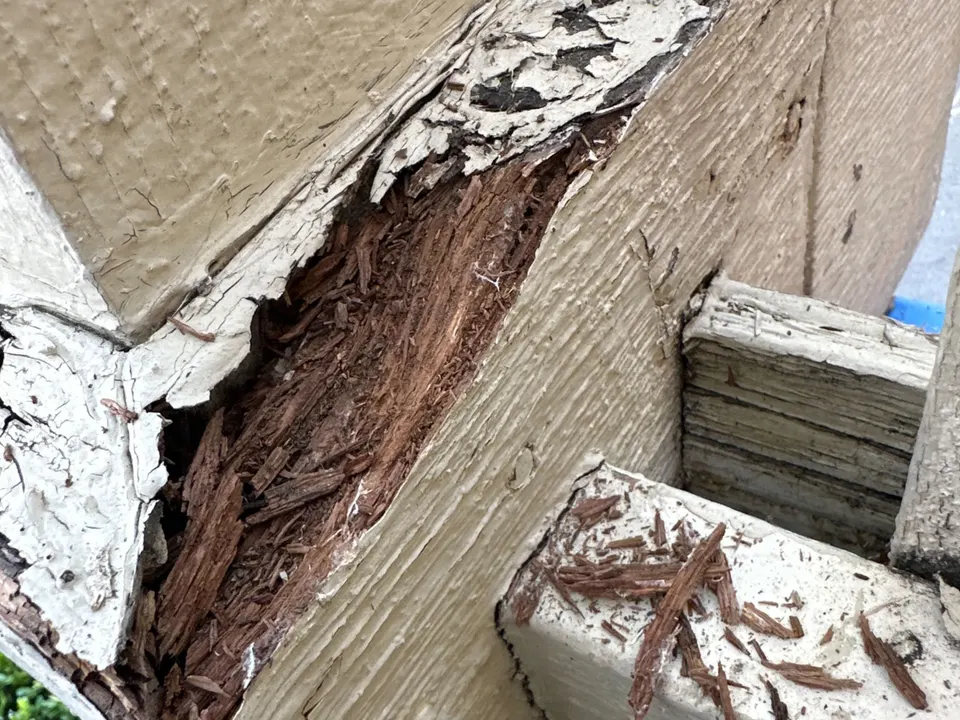
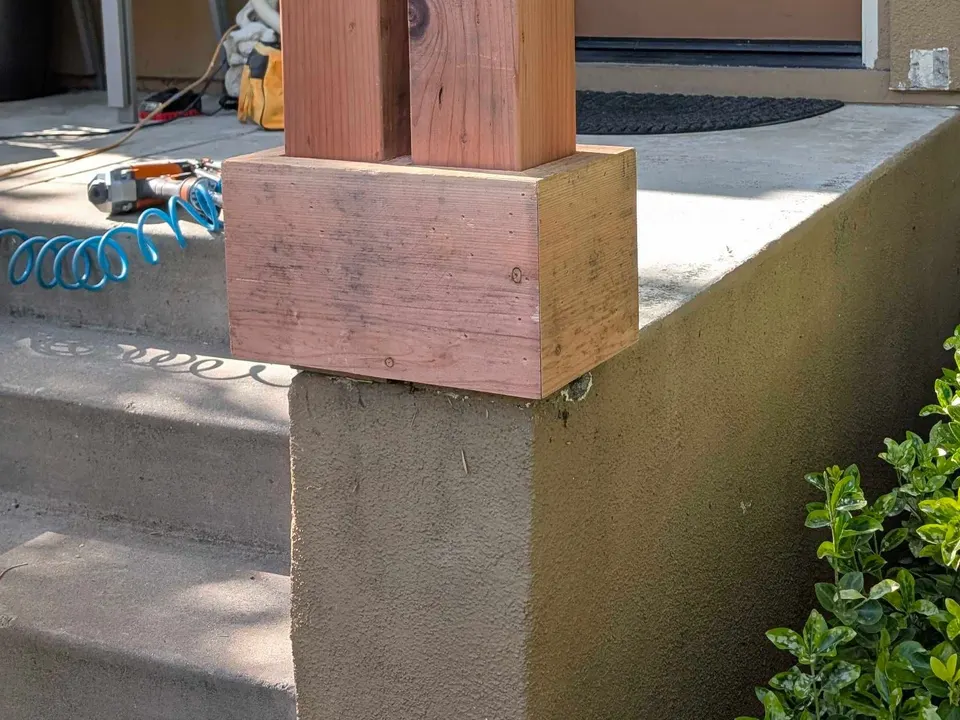
Deck dry rot · scope before repair
Repair the damaged part—or reconsider the deck?
Soft deck boards, deteriorated wood around posts, and loose railing connections deserve a closer look. Steady Craftsman can review a deck dry-rot repair request; the repair method, qualified trades and accepted scope must be confirmed after assessment. A photograph cannot establish that framing is sound.
When a localized repair may fit
A limited board, trim or railing repair may be appropriate when the surrounding assembly and connections can be assessed as suitable for the proposed work. Replacing visible damaged wood alone is not evidence that concealed decay has been addressed.
When replacement needs discussion
Widespread deterioration, repeated patch failures, or concerns at joists, beams, posts, footings or the ledger can change the project substantially. Load-bearing work, changes to guards or stairs, and permit requirements need review by the appropriate qualified professional and local authority before work is agreed.
What changes the scope and cost?
- The extent and depth of damage, including concealed conditions.
- Access, deck height, demolition and debris removal.
- Board species or product, railing parts and finish matching.
- Framing and connection work, design needs and permits.
- Separate work needed to address the moisture source.
No price is inferred from photos. Ask for a written scope distinguishing confirmed work, exclusions and how newly exposed damage will be handled.
Confirm the address and scope first.
Check the property address, repair scope and current scheduling with your territory before planning a visit. The project examples have no city named.