
Steady Craftsman learning center
Know what you’re seeing. See what happens next.
Short visual guides for homeowners—from the first warning sign to the finished repair.
 Real project condition
Before choosing a repair
Turn a visible concern into a clearer scope.
Compare water-source responsibilities, affected wood and written repair boundaries before deciding what work to request.
- What changes the cost of a dry-rot repair?
Compare access, concealed damage, moisture correction and finish work before treating two wood-rot repair estimates as equivalent.
- How to prepare for a wood-rot assessment without disturbing the damage
A safe photo and question checklist for exterior trim, deck connections and soft floors, with clear boundaries before an opening or repair.
- Soft floor: when does the repair involve the subfloor?
Separate the floor finish, subfloor and framing questions before choosing a patch, opening or replacement around a soft bathroom floor.
- A leak was fixed. Is the wood ready to close up?
Separate leak correction, wood condition and readiness to close an opening. Know what to ask before new finishes conceal water-affected materials.
- More damage appeared after opening: what should a revised repair scope explain?
Learn what evidence, scope details and approvals to request when a wood-rot repair reveals additional concealed damage after work begins.
- After a wood-rot repair: a practical homeowner closeout checklist
Organize your wood-repair handoff: agreed scope, stage photos, water-source records, outstanding items, care guidance and follow-up contacts.
- Rotted Window Sill: Repair or Replace?
Compare exterior sill or trim repair with whole-window replacement by separating visible wood damage, window-unit condition and the moisture path.
- Residential and Commercial Water-Damage Repair: Which Trade Handles Each Stage?
A practical handoff map for water-source work, drying, specialist concerns, wood repair and finish work at homes and commercial properties.
- Commercial Interior-Trim Water Damage: Plan Access and Finish Boundaries
For owners and managers: define occupied-area access, wood trim scope, specialist handoffs and the exact finish accepted at closeout.
- Dry Rot, Water Damage or Moisture Damage? Understanding the Repair Question
A plain-language guide to the words homeowners and property managers use for wood damage, and which trade answers each one first.
- Mold and Damaged Wood: What Must Be Resolved Before Repairs?
Separate the mold specialist's evaluation from Steady Craftsman's wood-repair scope, and see what a written scope and closeout record should cover.
- Water Stain or Deteriorated Wood? What Safe Photos Can Show
A guide to what a photo of a water stain can and cannot show, and how to photograph and describe visible wood damage safely.
- Water-Damaged Door Thresholds: Define the Repair Boundary
A homeowner and property-manager guide to separating a water-damaged door threshold, frame and adjacent finish from the door unit itself.
- Patio-Door Surround Damage: Separate Carpentry from the Door Unit
Compare patio-door surround wood repair with sliding or hinged door-unit and glazing replacement, from safe signs to a written scope.
- Fascia and Soffit Water Damage: Repair Scope After the Water-Source Review
A homeowner and property-manager guide to separating roof and gutter questions from fascia and soffit wood-repair scope, with a written stop point.
- Lower Siding and Trim Moisture Damage: Where Should the Scope Stop?
A guide to sorting lower siding and trim edges, interfaces and concealed extent from water-source work before authorizing a wood repair.
- Water Damage Below a Kitchen Sink: Cabinet Base, Floor or Both?
Separate the active plumbing leak, the cabinet base and the floor beneath a kitchen sink into three repair scopes before comparing proposals or approving work.
- Ceiling Damage After an Upstairs Leak: What Belongs in the Repair Proposal?
Separate the leak repair, the affected wood, and the drywall or paint finish before approving a ceiling repair proposal after an upstairs leak.
- Deck and Balcony Moisture Damage: Boards Are Not the Whole Assembly
A homeowner and manager guide to separating deck or balcony board repair from structural, guardrail and connection questions for a specialist.
- Crawlspace Moisture and Damaged Wood: Coordinate the Right Specialists
See what you can notice about crawlspace moisture without entering, which specialist handles each question, and what a written repair scope covers.
- Dry to the Touch Is Not the Same as Sound Wood
Explains why a board that looks dry today is not the same finding as a board that is still sound, and who determines each of the two answers.
- Drying Equipment and Wood Repair: Two Different Parts of a Water-Damage Project
Steady Craftsman never operates drying equipment; see where that phase ends and a written wood-repair scope and closeout record begin.
- Water-Damage Repair Records for Property Owners and Managers
A practical recordkeeping guide for the water source, drying, specialist, wood-repair and finish stages of a water-damaged wood repair.
Choose where you are
A clearer path from concern to confidence.
Notice
Know What You’re Seeing
Start with the change you noticed. Compare visible signs, document the area, and learn when it is worth a closer look.Explore 02Understand
Meet Steady Craftsman
Learn who we are, how we approach the work, and why the person assigned to your territory matters.Explore 03Decide
See What Happens Next
See real before-and-after work, understand the repair path, and know what to expect before you request an estimate.ExploreWatch & learn
See the work. Understand the warning signs.
Four short visual lessons from Steady Craftsman. Watch what happens when a problem is opened, understood, and repaired.
01 · Know What You’re Seeing
Start with what changed.
Use visual clues to describe the condition without trying to diagnose it yourself.
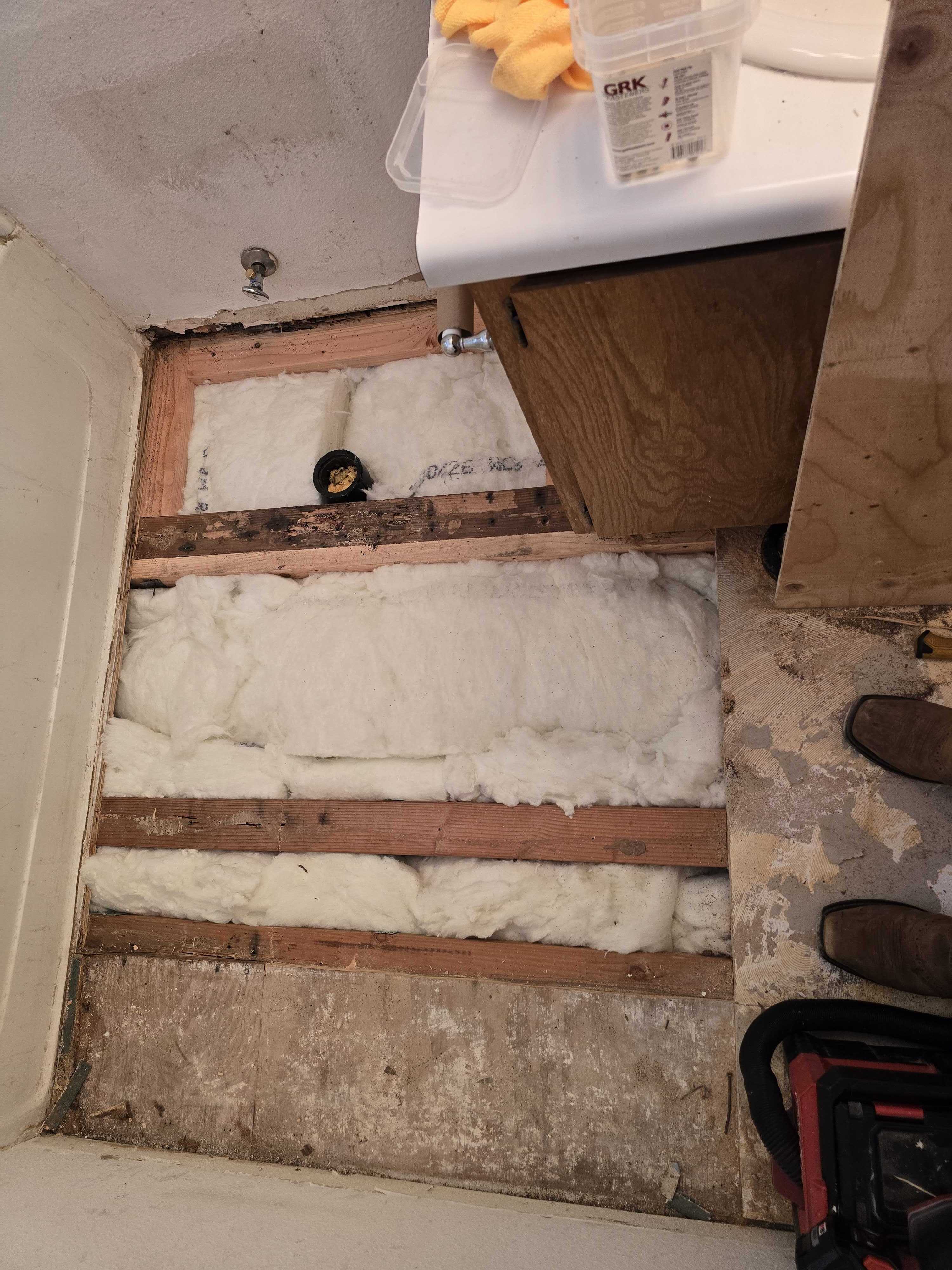 Visual homeowner guide
5-minute check
Is it wood rot? Warning signs to check.
Compare peeling paint, soft wood, stains, movement, and other signs—then create a useful observation summary.Open the guide02 · Meet Steady Craftsman
Know who is behind the work.
See the standards, people, and local accountability behind every repair conversation.
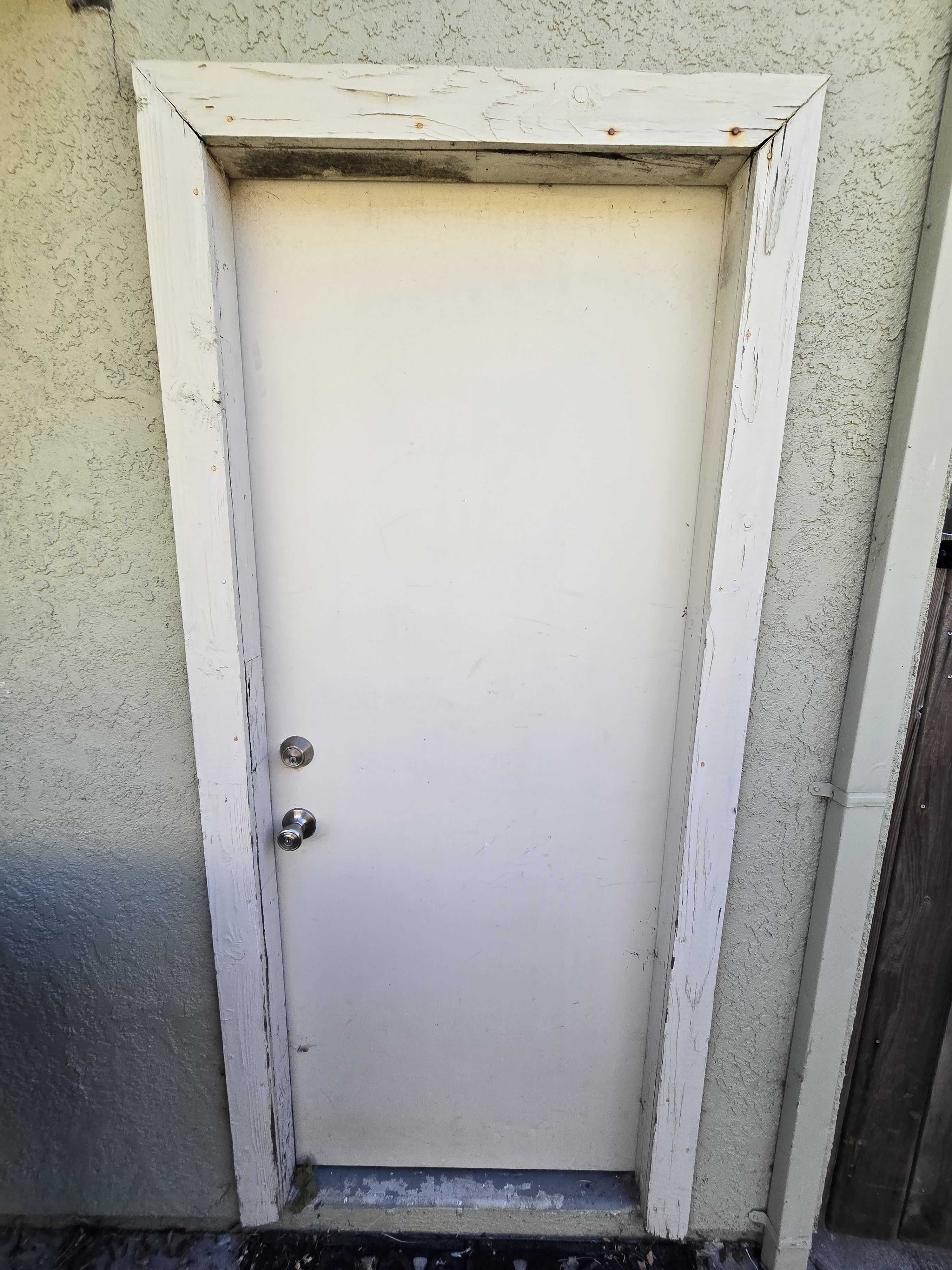
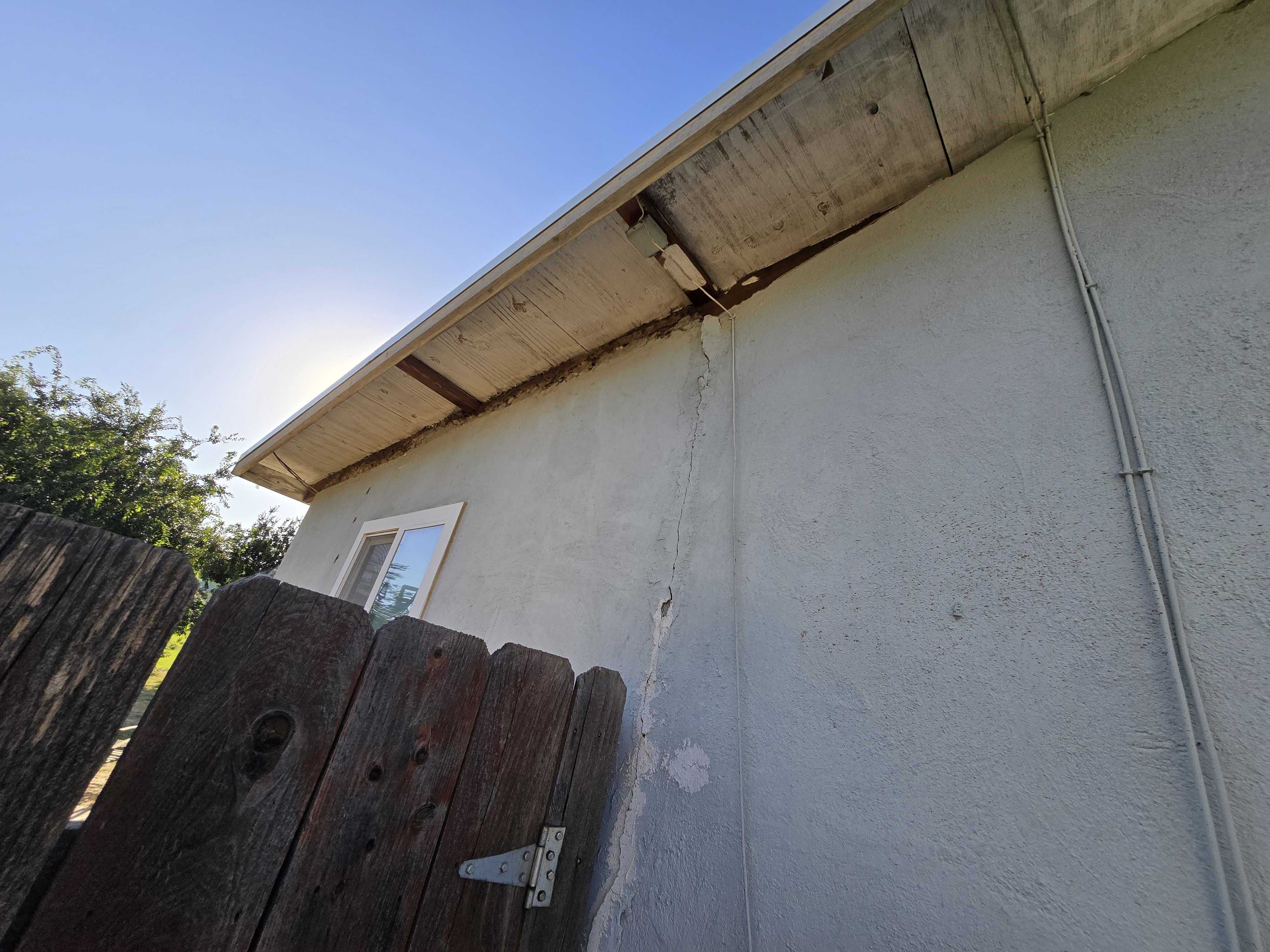
03 · See What Happens Next
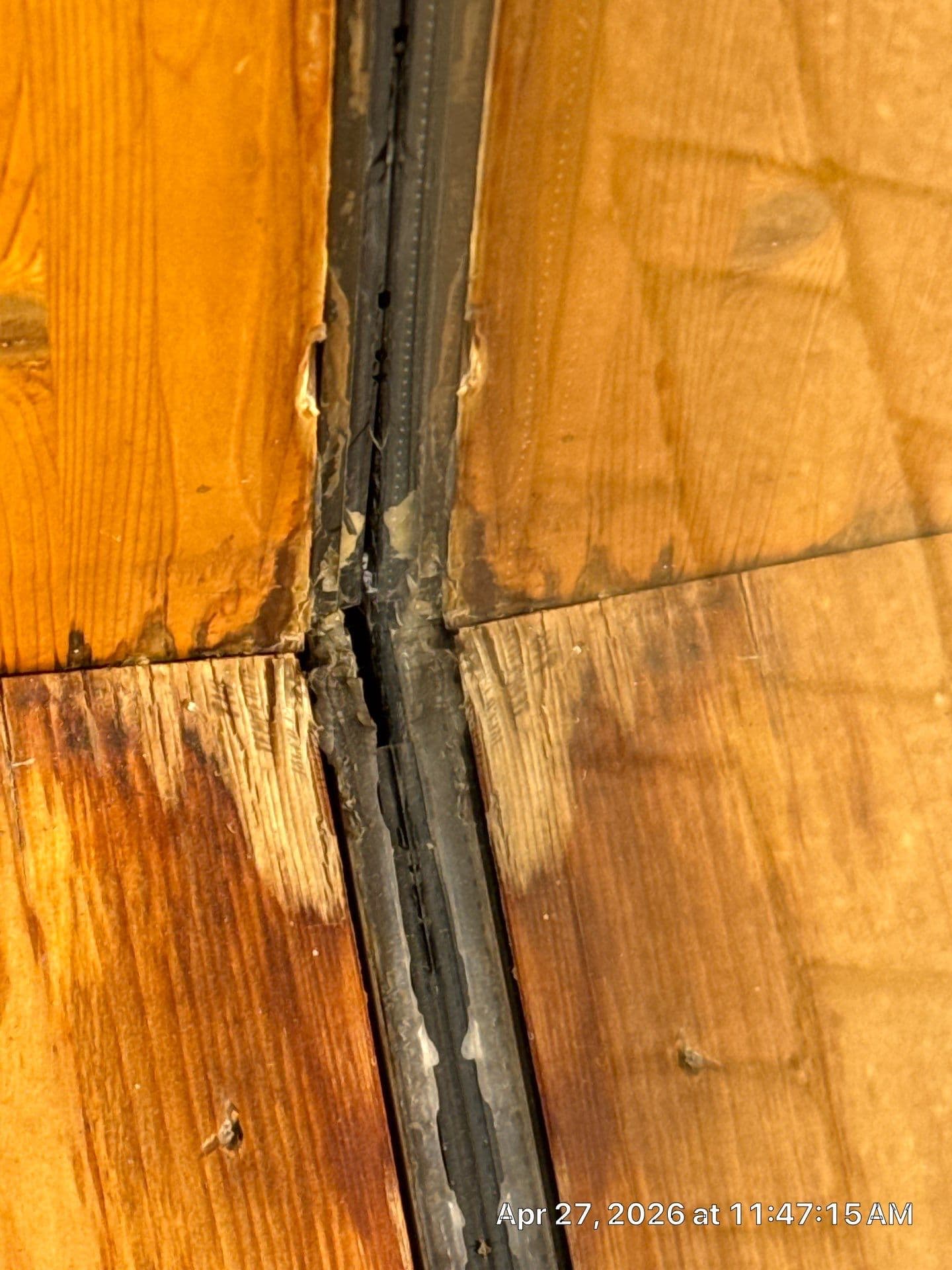
See the work before you make a decision.
Understand the process, the possible scope, and what a completed repair can look like.
Not sure where to begin?