
Stockton repair services
Dry rot & wood repair services in Stockton
Find, open, rebuild and protect damaged fascia, trim, decks, railings and other wood details across Stockton, Tracy, Lodi, Manteca.
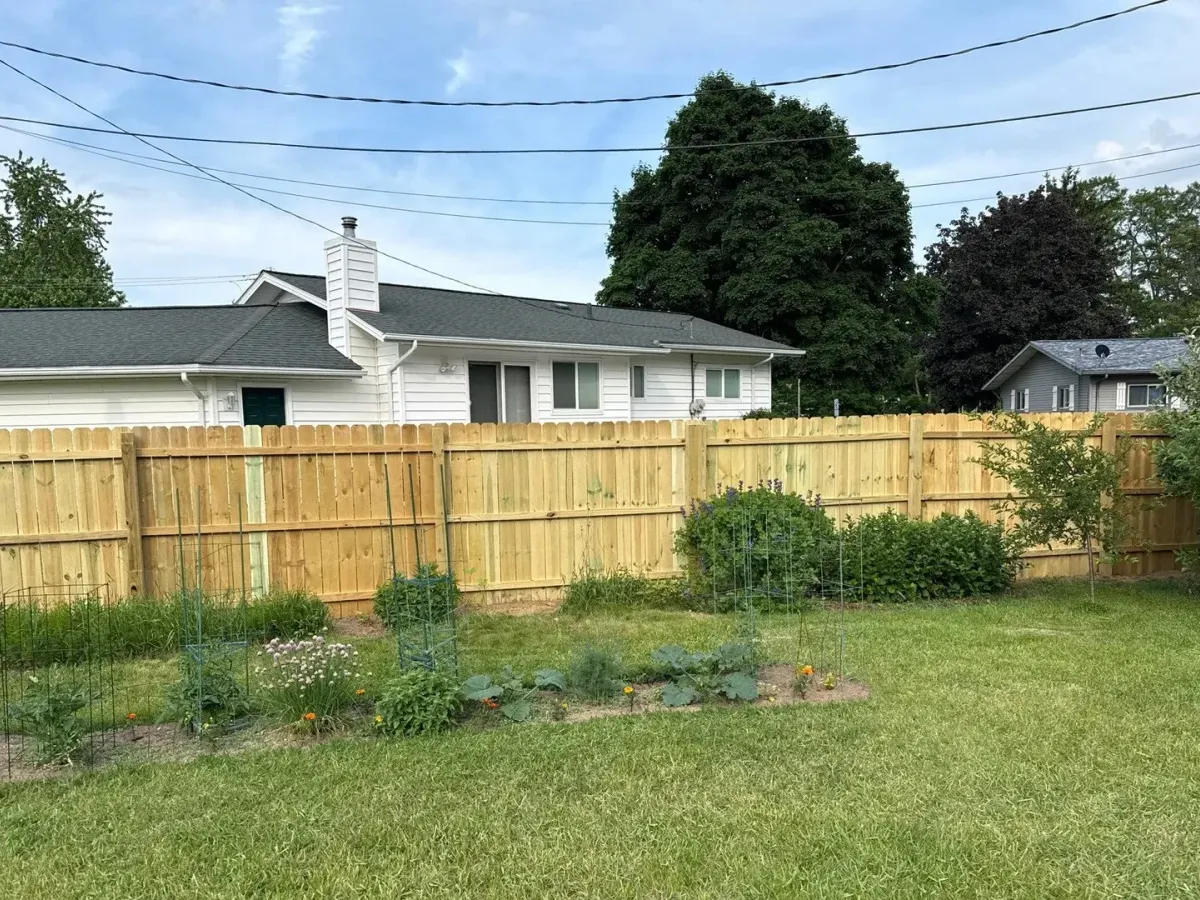 01Company portfolio example
Fence & gate repair
Leaning posts, weathered boards, and gates that won’t quite close.
Explore the service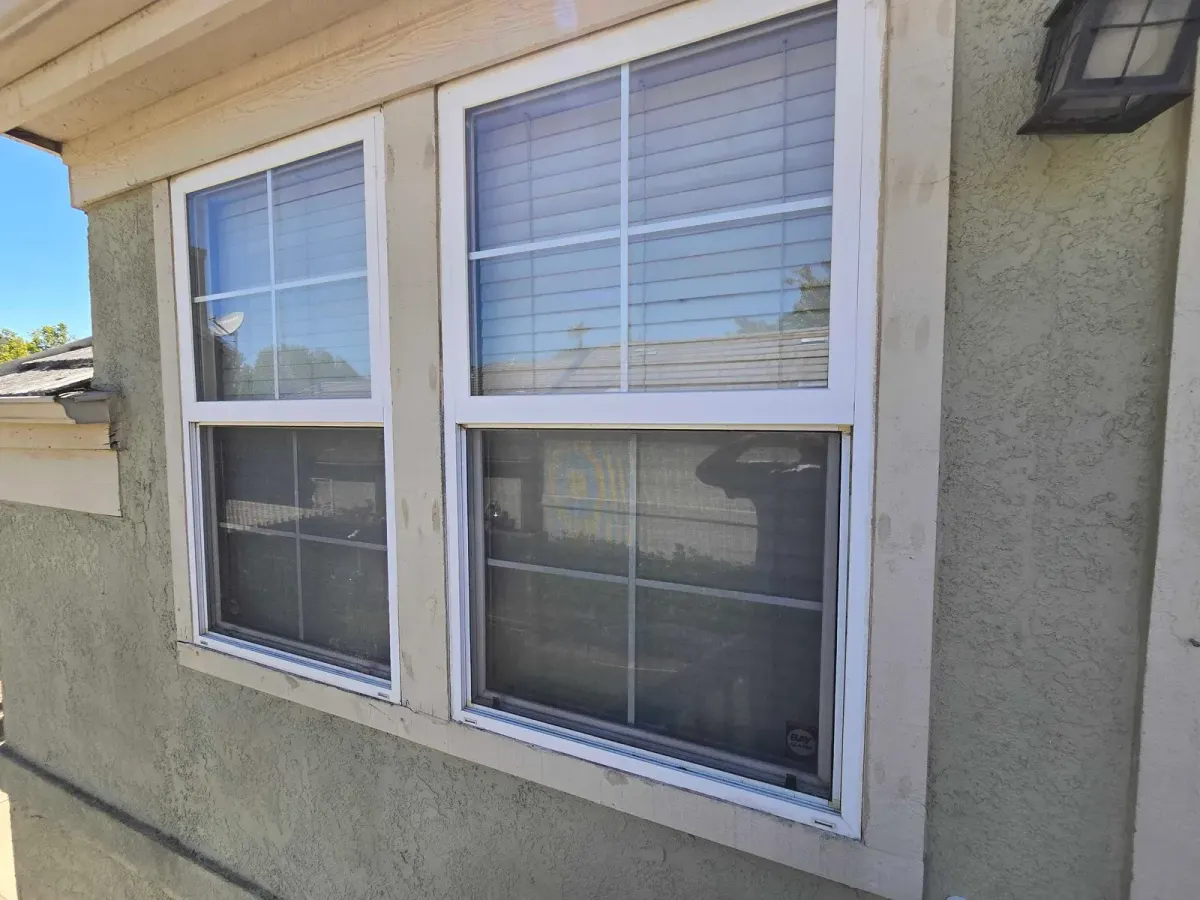 02Company portfolio example
Dry rot & exterior trim
Soft wood, peeling finishes, and exterior details needing a closer look.
Explore the service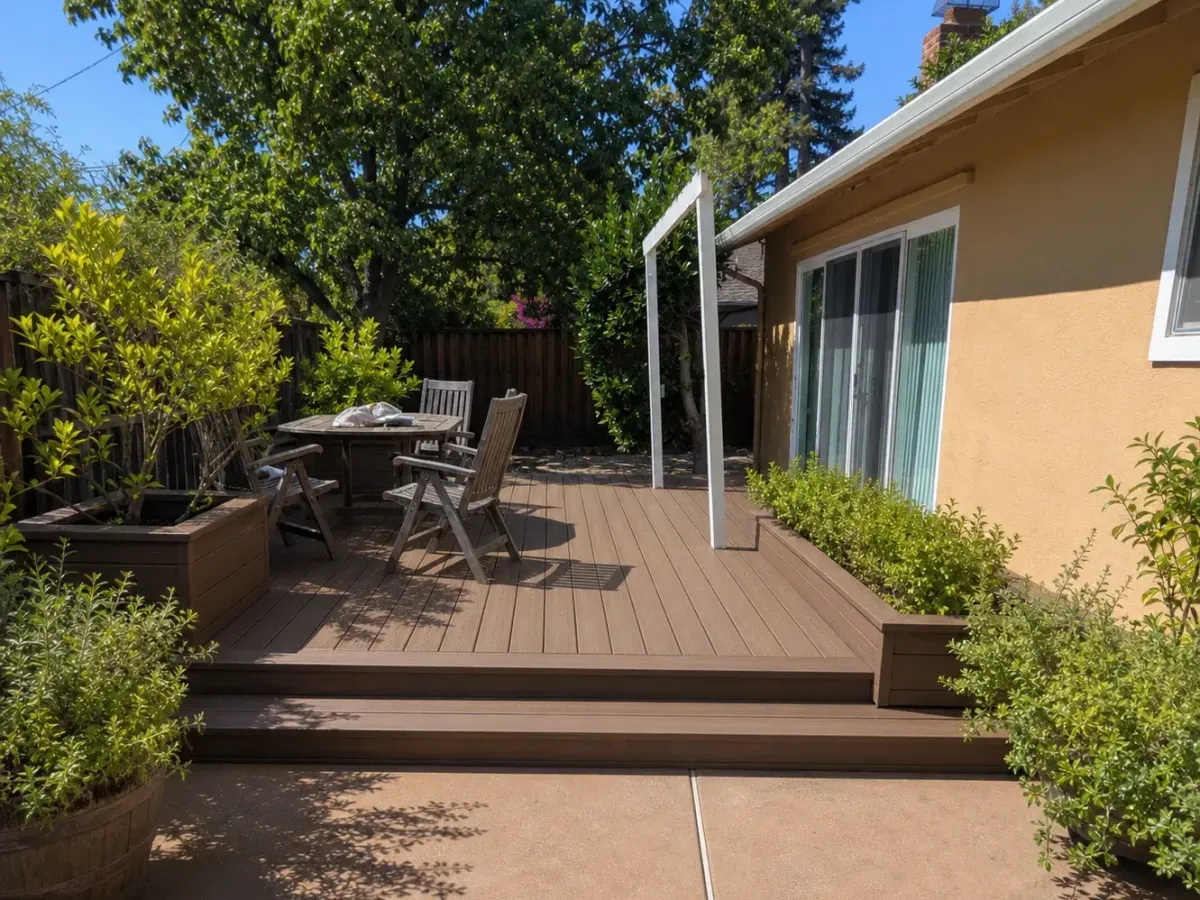 03Company portfolio example
Deck, porch & railing repair
Loose rails, worn steps, and outdoor wood that needs attention.
Explore the service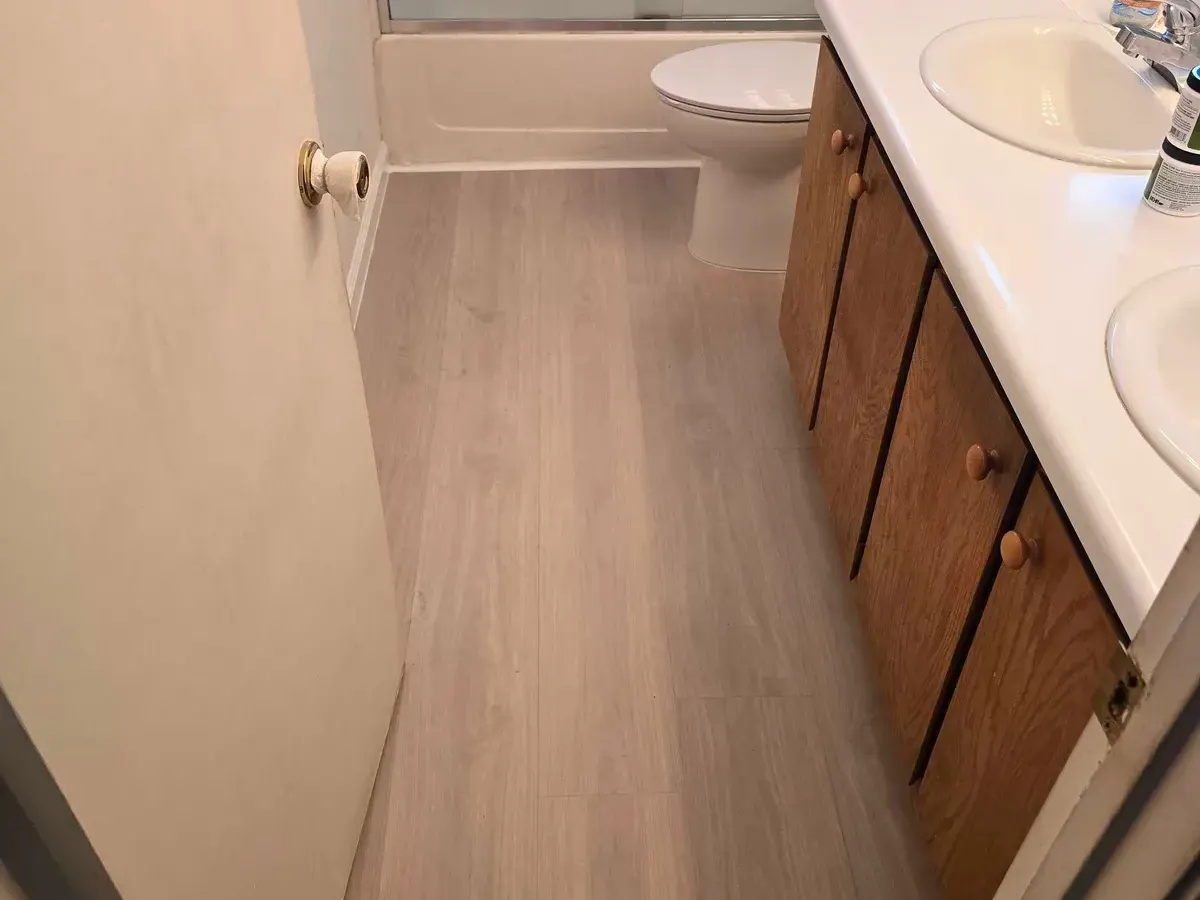 04Company portfolio example
Home maintenance & finish repair
Everyday adjustments, small repairs, and the details you keep putting off.
Explore the serviceEvidence-backed city repair guides
Use these city guides to review local housing context, moisture paths and the service topics available for the property.
- Ceres repair planning: an opening defect is not a whole-house diagnosis
- Lathrop fence planning starts with the neighborhood and fence type
- Livingston homes: separate a newer cohort from an older repair history
- Lodi exterior repairs: preserve the detail, investigate the wetting
- Manteca maintenance: put the older core and the task sequence in context
- Modesto exterior planning: use the historic survey without overreading it
- Mountain House repairs: identify the approved detail before substituting it
- Oakdale repair planning: an age map is not a damage map
- Patterson older-home repairs: keep the doorway and porch in the picture
- Ripon exterior planning: follow the water beyond the lawn
- Stockton city repairs: read Gleason Park’s siding and porch together
- Tracy fence planning: permission, placement and condition are separate
- Turlock exterior planning: separate the downtown palette from the actual wall
- Waterford exterior repairs: do not mistake a 2002 survey for today’s condition
- Antioch repair planning: Rivertown details and later subdivision homes
- Brentwood exterior decisions: newer neighborhoods are not the historic downtown
- Clayton: distinguish Town Center woodwork from subdivision-era repairs
- Concord planning: postwar housing and North Todos Santos details
- Danville: heritage porch evidence versus later-home assumptions
- Dublin: separate heritage imagery from the repair history of your home
- Lafayette repairs near creeks: resolve the site constraints first
- Moraga hillside repairs: visible supports, open fences and drainage
- Oakley: newer housing does not settle the exterior repair question
- Pittsburg: look at planter, wall and post interfaces before finish repair
- Pleasant Hill: distinguish routine exterior wear from a drainage constraint
- Pleasanton historic-home repairs: preserve evidence before replacing features
- San Ramon: newer homes, actual materials and project-specific review
- Walnut Creek: separate mid-century housing history from water-path evidence
The right scope comes first.
Some work needs permits or a separately qualified specialist. Licensing, insurance and eligibility for a particular job are confirmed when you call, before any commitment.
A practical next step
A clear path.
Not another loose end.
Good project planning starts with the right information. This is the proposed process—not a booking or response-time promise.
- 01
Tell us what’s happening
Start with the repair, a few details, and the project location.
- 02
Check the right fit
Confirm coverage, scope, trade requirements, and availability.
- 03
Agree on the work
Review the repair approach, materials, and written estimate.
- 04
Make a practical plan
Set expectations for access, timing, and the work ahead.
Ready to look at your Stockton repair?
Talk it through with Christian Pineda. Describe what you are seeing, where the property is and when it started; the scope is confirmed on site, not from a photo.
Before your Stockton scope review
Know what to ask before choosing a repair.
A photograph starts the conversation; concealed material and the water source need their own assessment.
- What changes the cost of a dry-rot repair?
- How to prepare for a wood-rot assessment without disturbing the damage
- A leak was fixed. Is the wood ready to close up?
- More damage appeared after opening: what should a revised repair scope explain?
- After a wood-rot repair: a practical homeowner closeout checklist
- Rotted Window Sill: Repair or Replace?
- Residential and Commercial Water-Damage Repair: Which Trade Handles Each Stage?
- Commercial Interior-Trim Water Damage: Plan Access and Finish Boundaries
- Dry Rot, Water Damage or Moisture Damage? Understanding the Repair Question
- Mold and Damaged Wood: What Must Be Resolved Before Repairs?
- Water Stain or Deteriorated Wood? What Safe Photos Can Show
- Water-Damaged Door Thresholds: Define the Repair Boundary
- Patio-Door Surround Damage: Separate Carpentry from the Door Unit
- Fascia and Soffit Water Damage: Repair Scope After the Water-Source Review
- Lower Siding and Trim Moisture Damage: Where Should the Scope Stop?
- Water Damage Below a Kitchen Sink: Cabinet Base, Floor or Both?
- Ceiling Damage After an Upstairs Leak: What Belongs in the Repair Proposal?
- Deck and Balcony Moisture Damage: Boards Are Not the Whole Assembly
- Crawlspace Moisture and Damaged Wood: Coordinate the Right Specialists
- Dry to the Touch Is Not the Same as Sound Wood
- Drying Equipment and Wood Repair: Two Different Parts of a Water-Damage Project
- Water-Damage Repair Records for Property Owners and Managers
Project examples do not establish your property's condition or a local project address. Confirm coverage, service fit and availability for your address.
Shared Steady Craftsman examples
Explore the company project collection
Browse drywall finish photos and porch-railing, exterior-wall repair sequences. Project locations are unnamed.