On-site finding
Movement revealed missing support.
The open wall shows missing support at the base. Watch the inspection excerpts recorded before the framing was closed.

Steady Craftsman · Stockton
Repair planning for affected wood at homes and commercial properties. Contact the local team to review your address, project fit and availability; water-source work, drying and remediation are separate scopes.
Prepare your repair details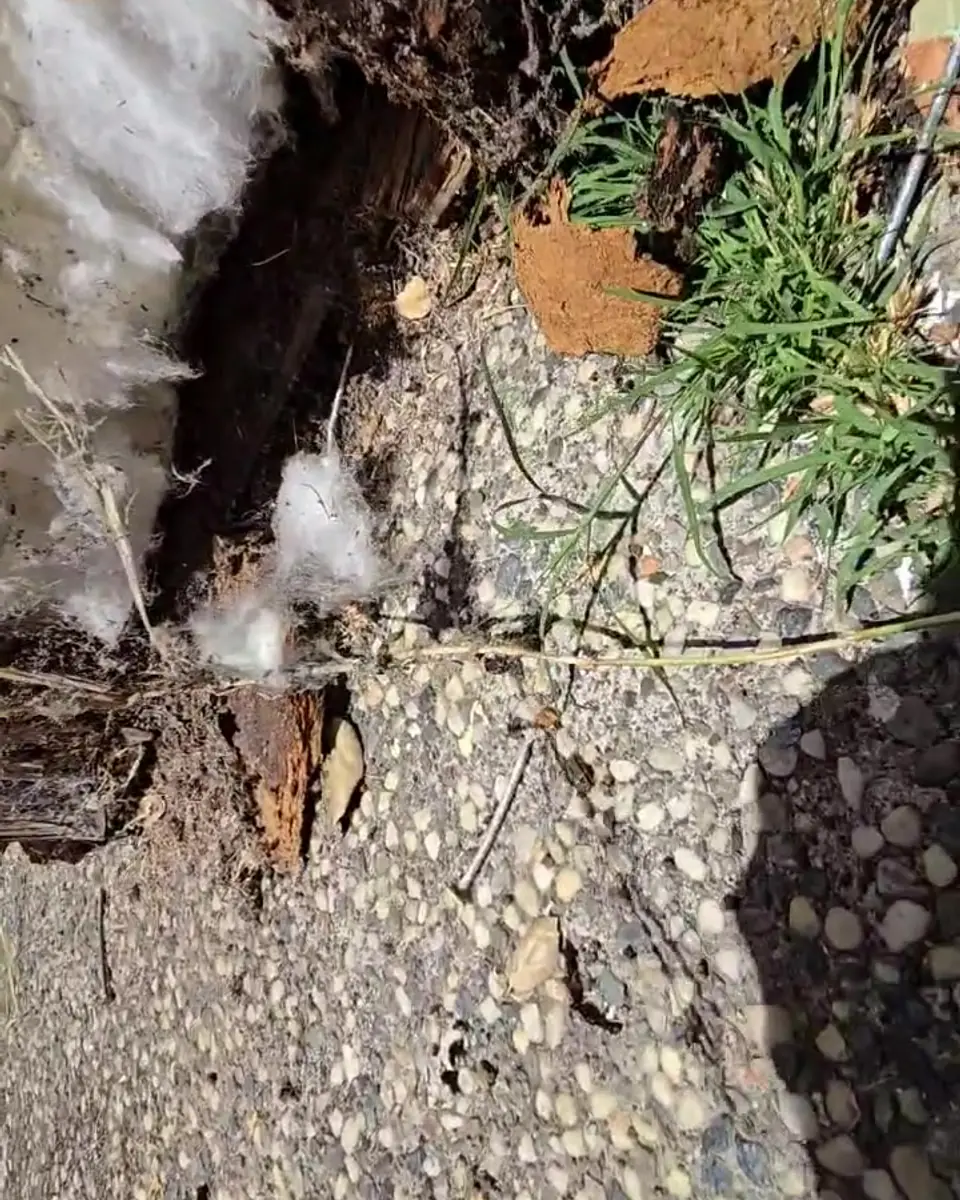 Rotted bottom plate
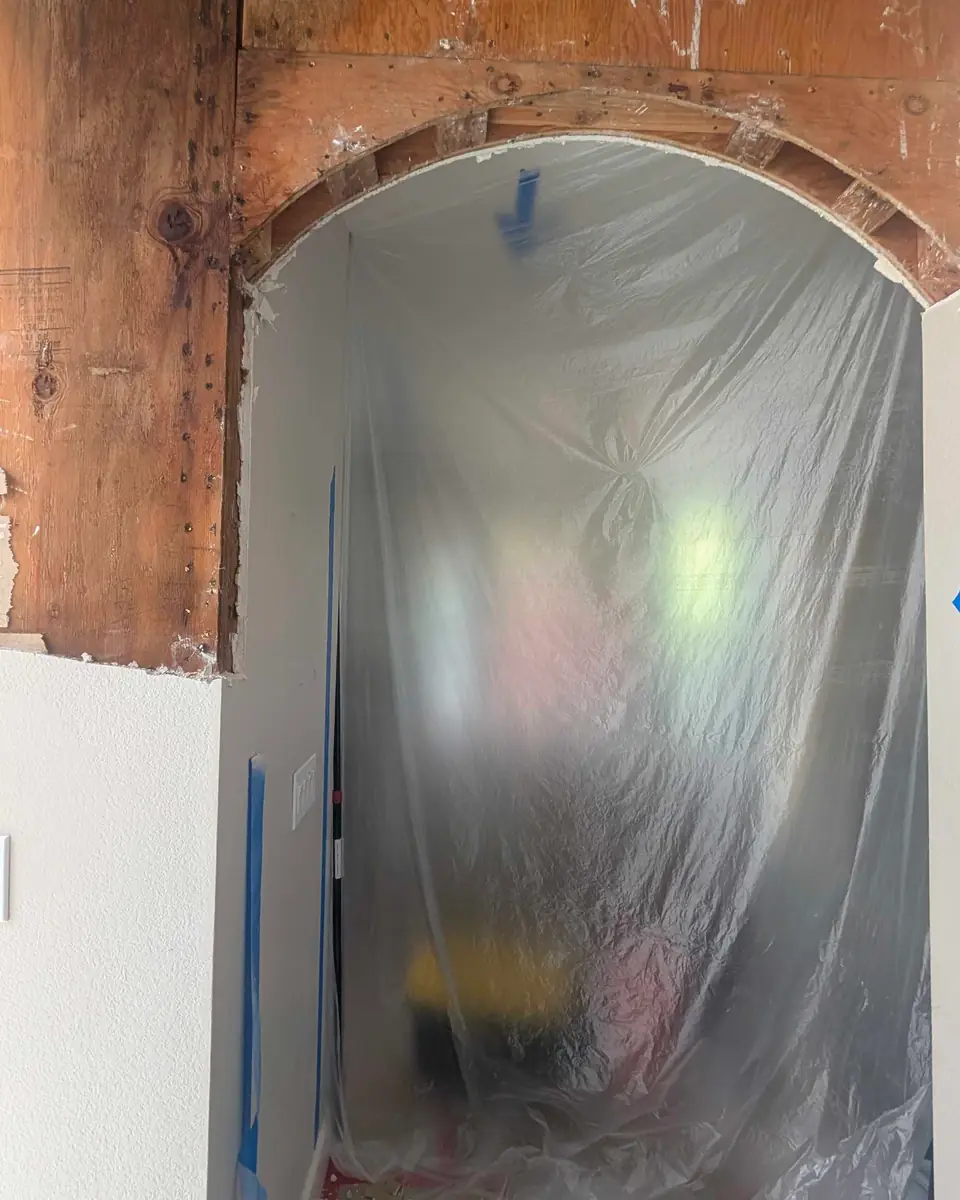 Opened arch framing
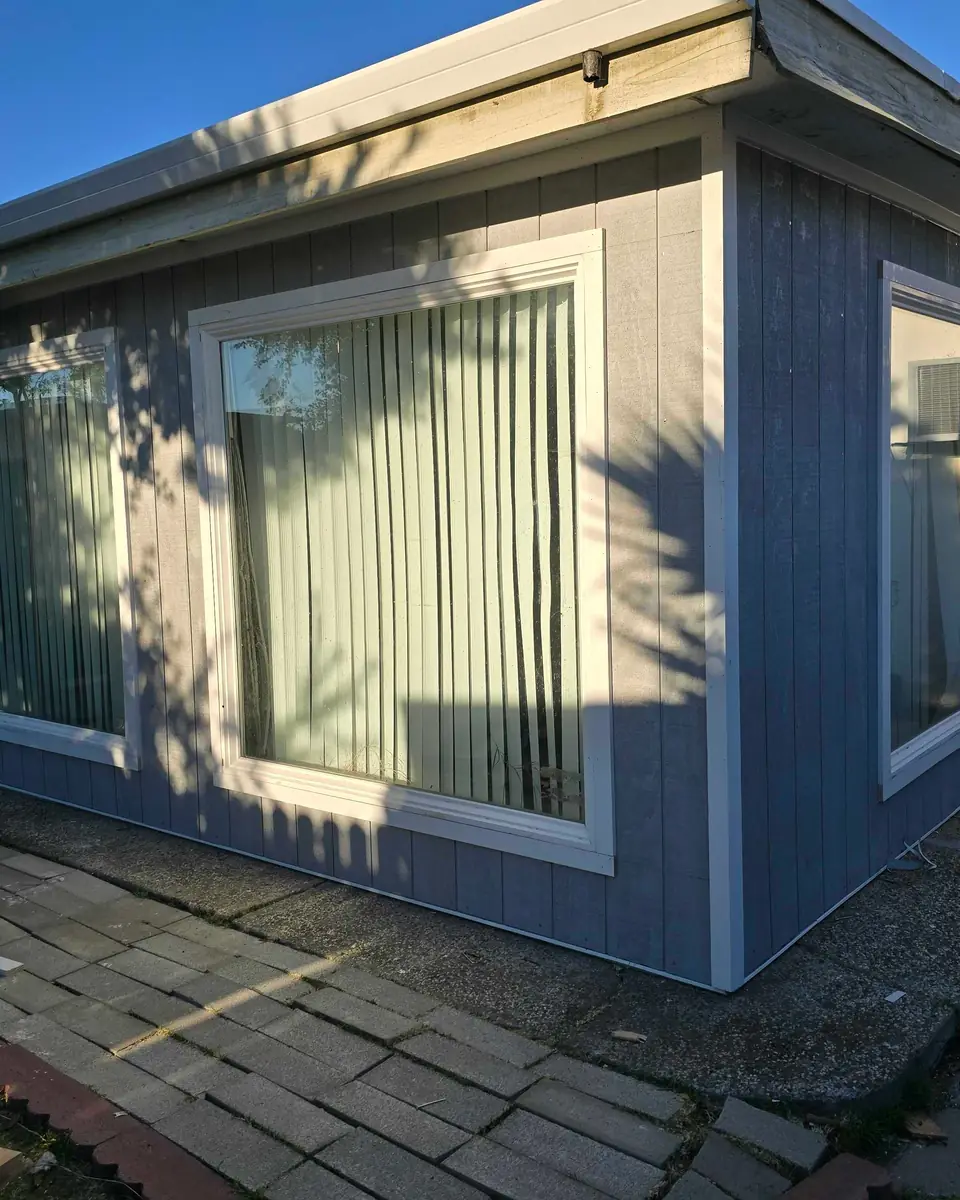 New siding & trim
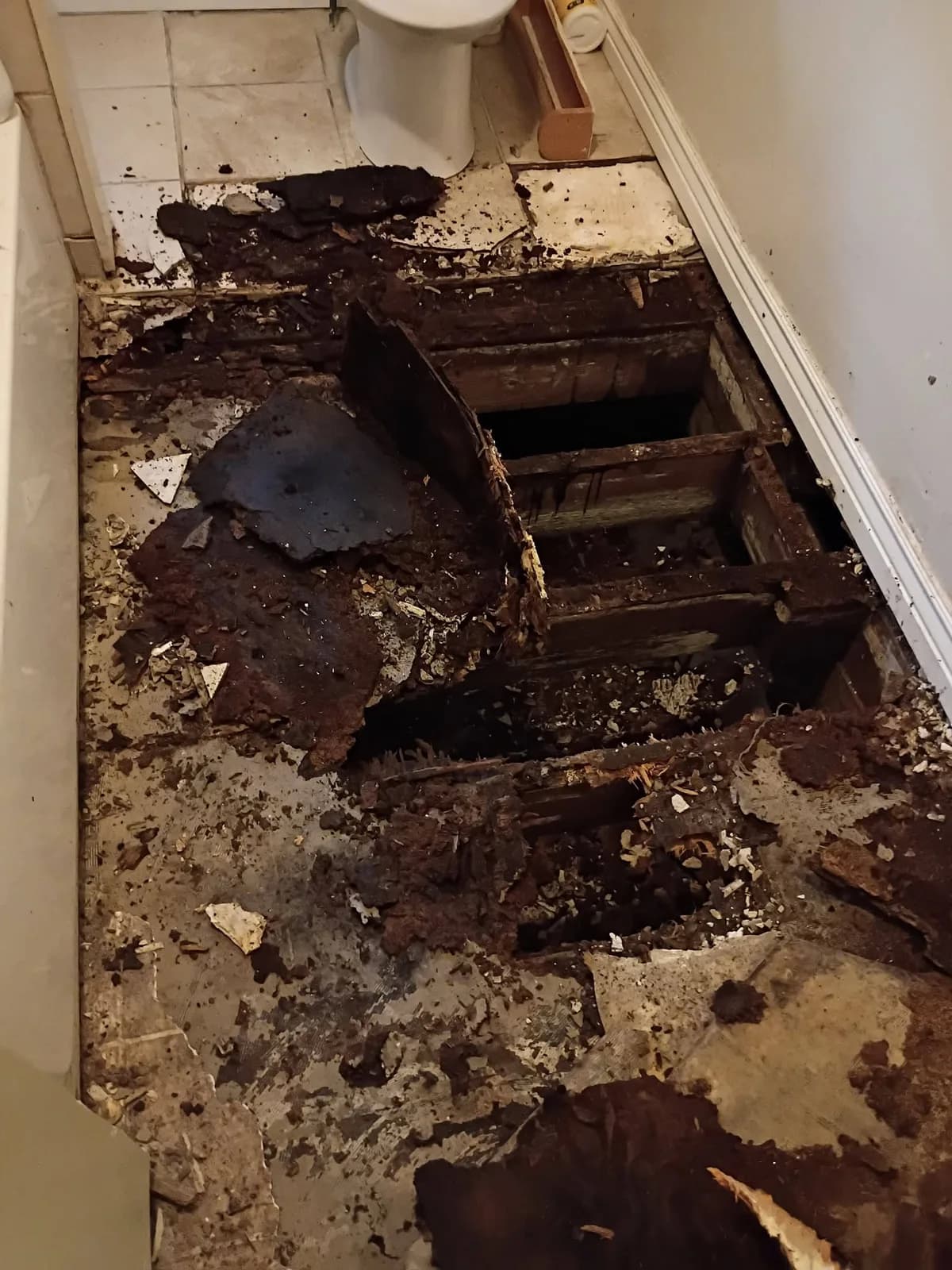 Bathroom floor rot
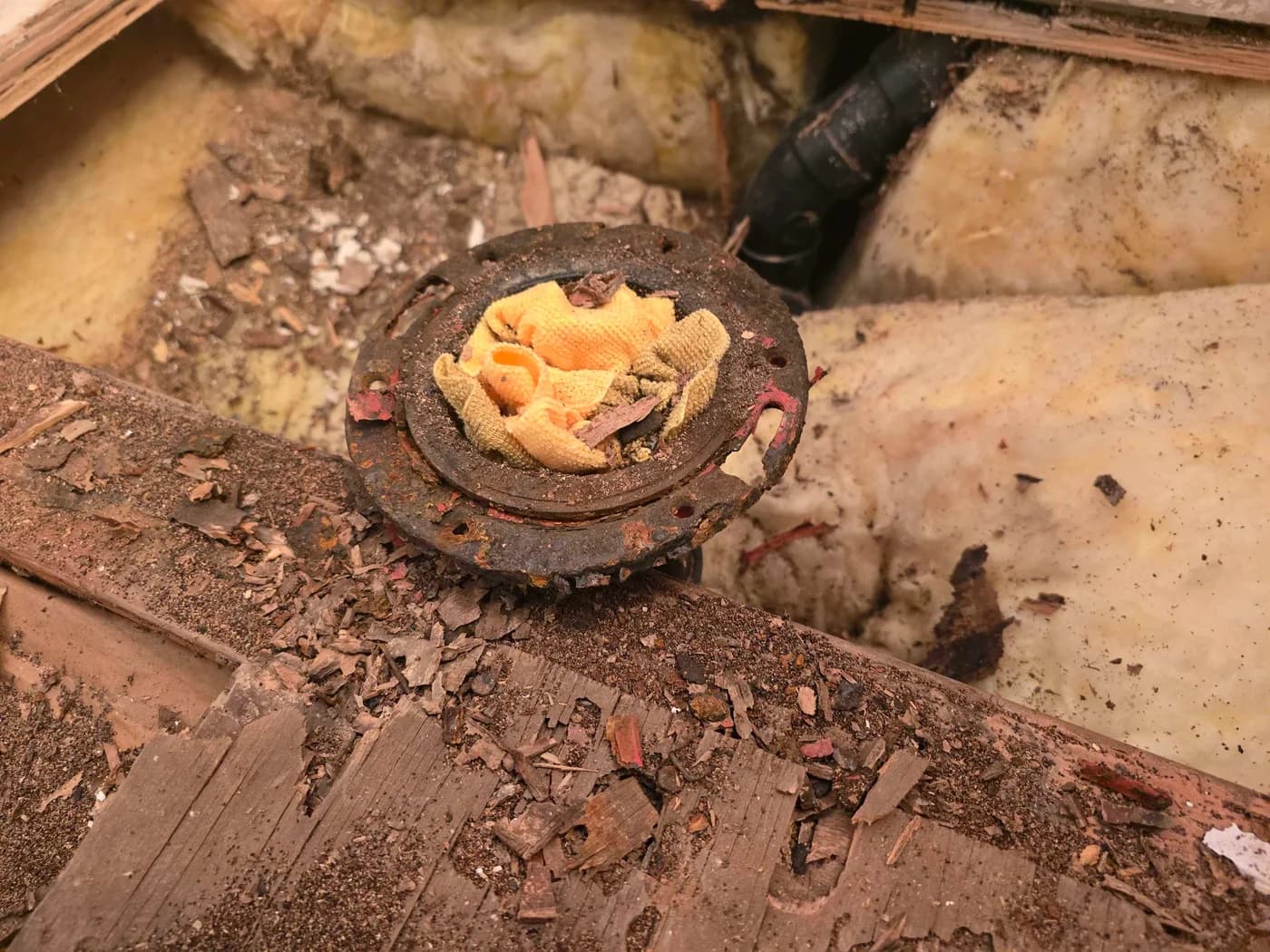 Rot around the flange
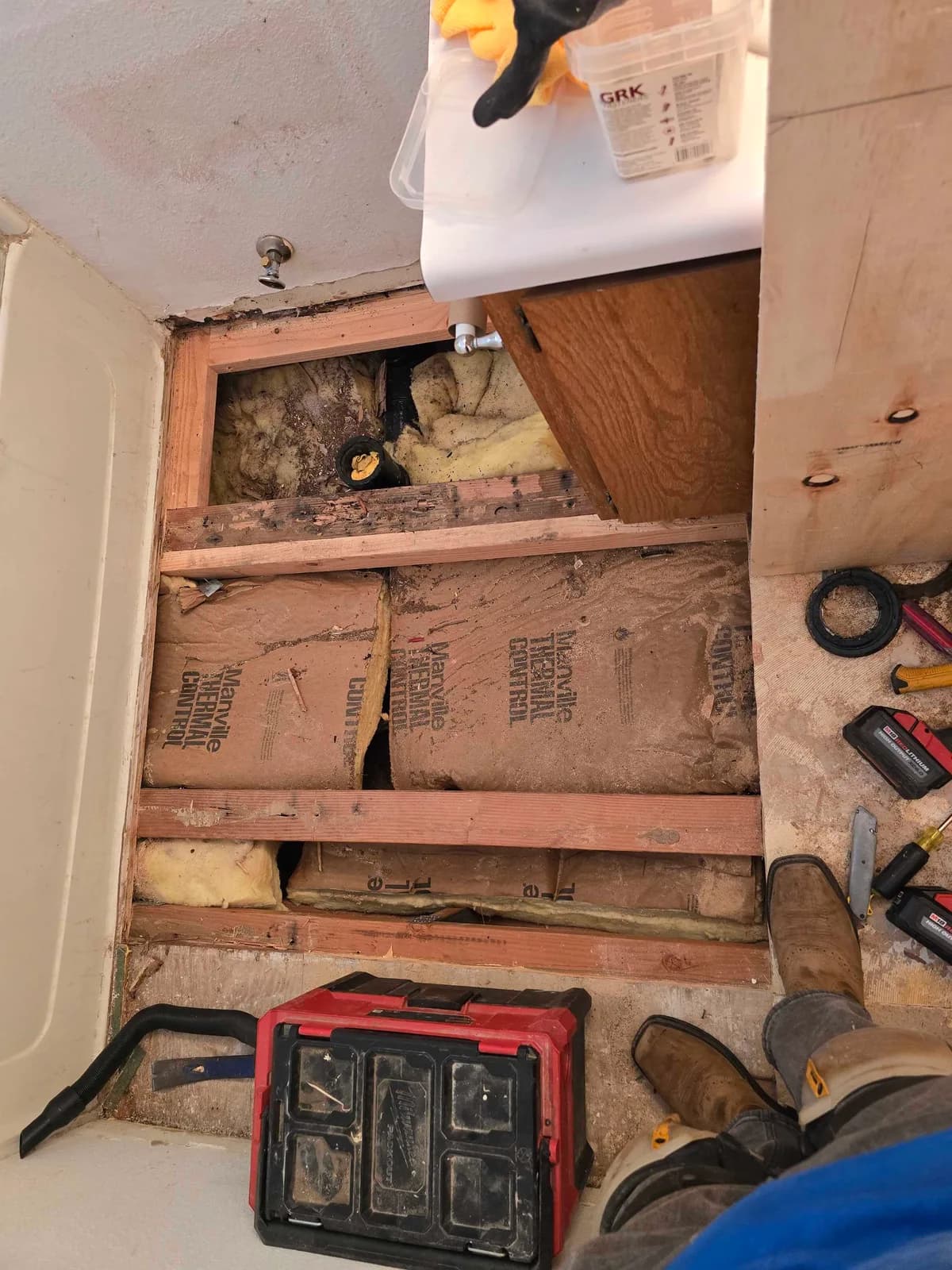 Hidden floor structure
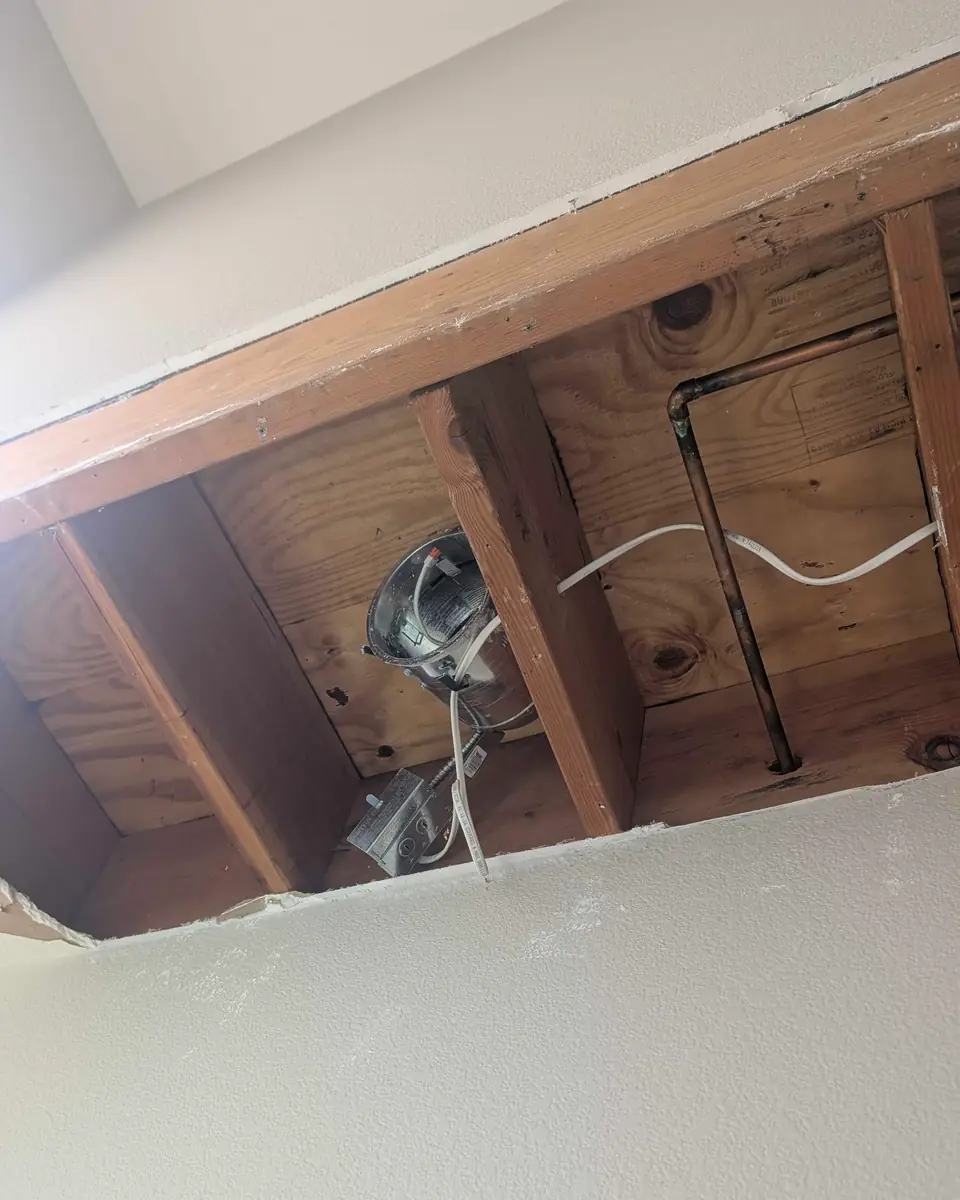 Ceiling opened
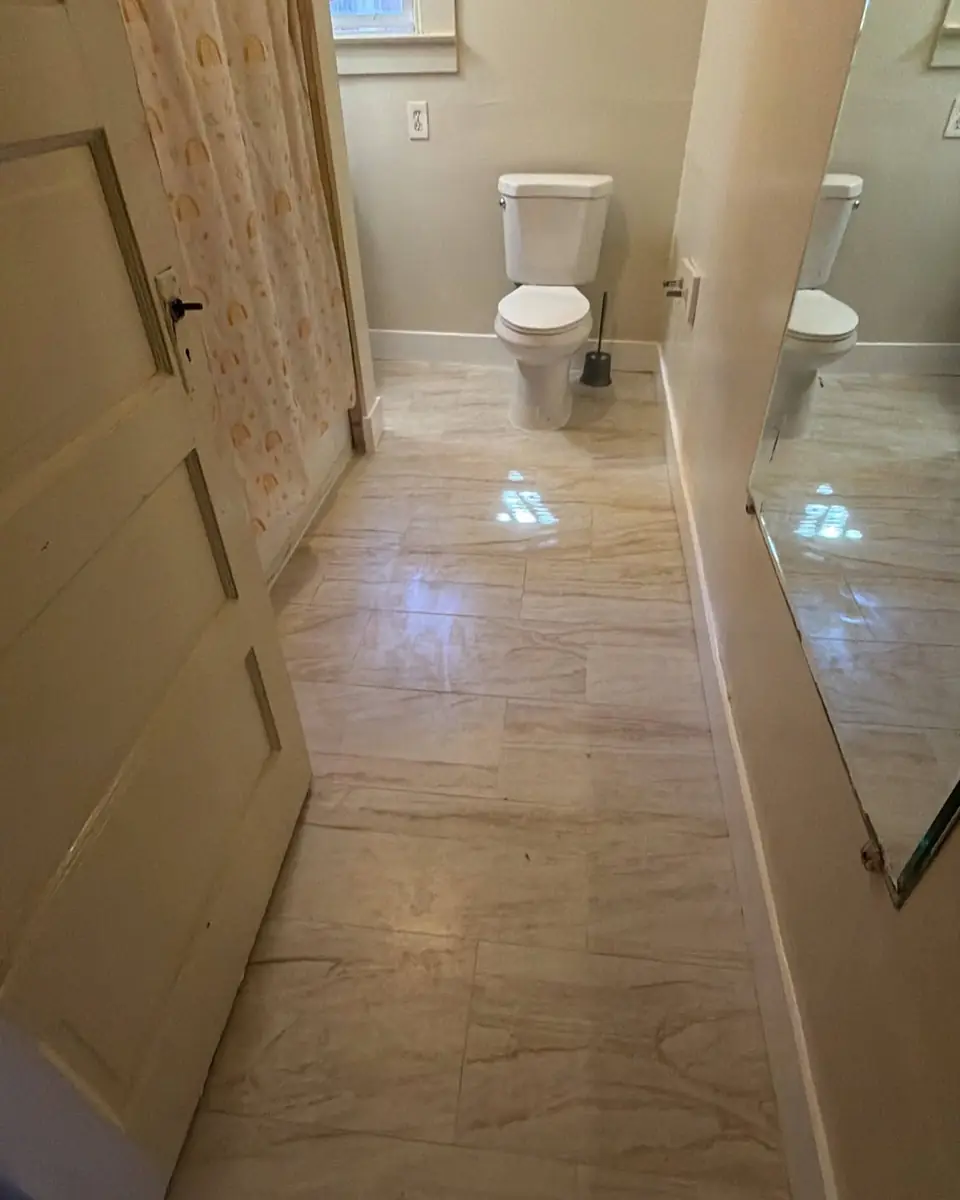 Bathroom floor rebuilt
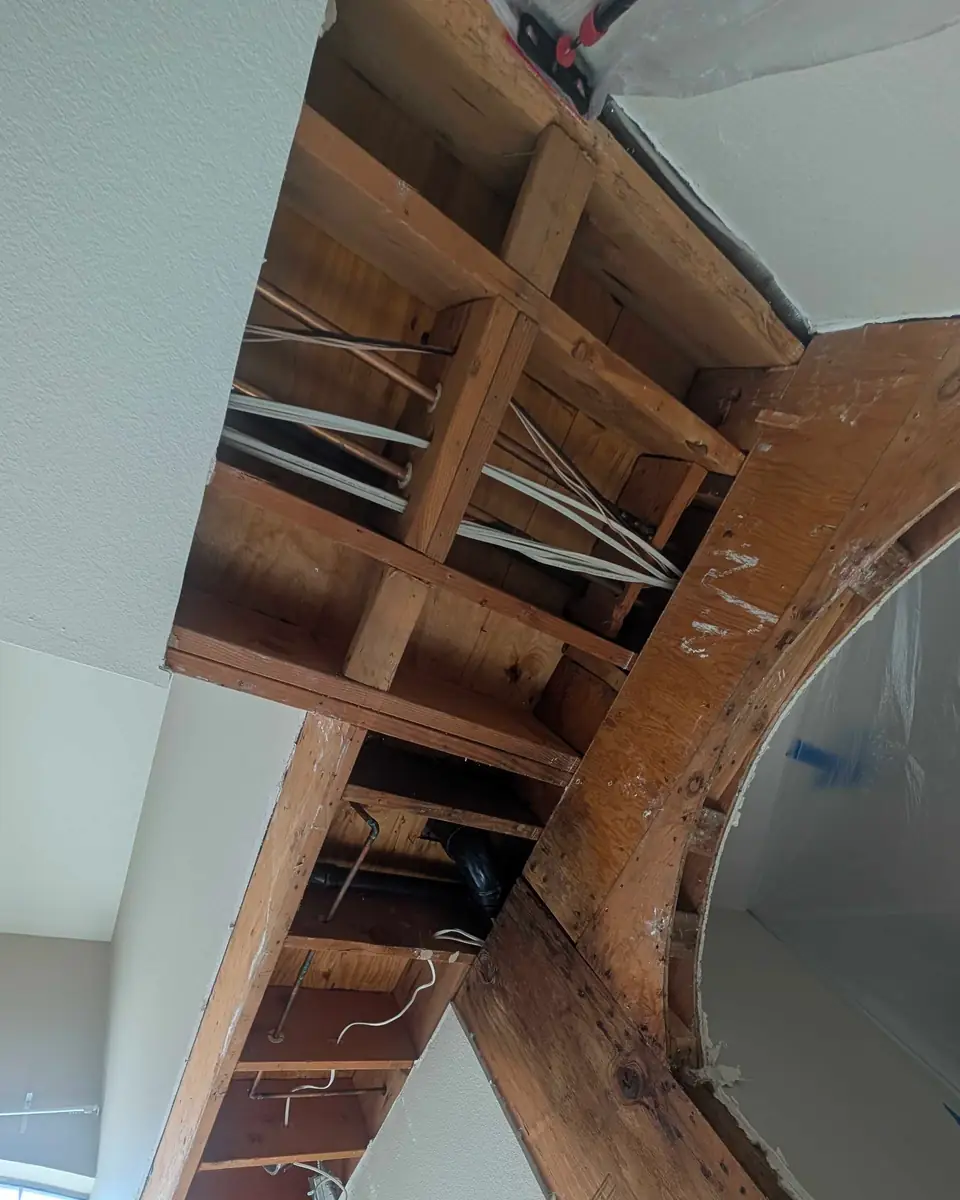 Ceiling framing
Dry-rot repair, exterior trim, decks, fences and home maintenance for 32 Stockton-area jurisdictions, with 5 neighbouring areas reviewed by address.
See the work
Open the gallery to see exterior-wall, fascia, bathroom-floor, drywall and porch-railing repair stages.
View project storiesYour Stockton craftsman
Your Stockton craftsman
Christian Pineda handles Steady Craftsman dry-rot, trim, deck and fence repairs across Stockton, Tracy, Lodi, Manteca. Call (209) 299-1465, and describe what you’re seeing—the address and scope are confirmed on the call.
Real damage. Real project work.
These are actual conditions found in bathrooms, door openings, exterior walls, eaves, and structural connections. Opening the area reveals what needs to be repaired—not guessed at.
The open wall shows missing support at the base. Watch the inspection excerpts recorded before the framing was closed.
One warning sign. A deeper repair.
Opening a bathroom floor can reveal damage around the toilet flange and the wood below. These real photos show the exposed floor, the framing, and the new subfloor. The video shows the finished floor from the same supplied project set.

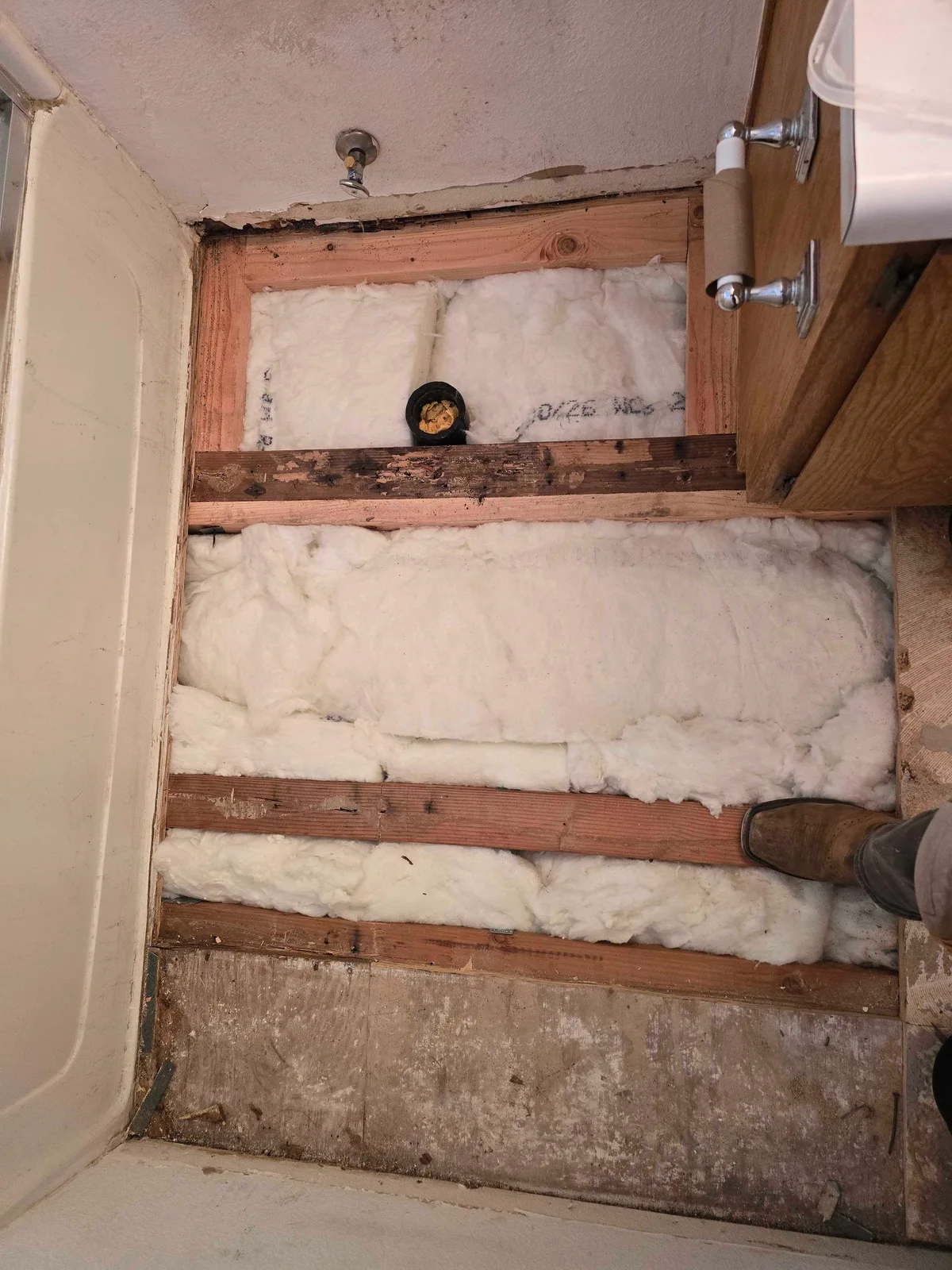
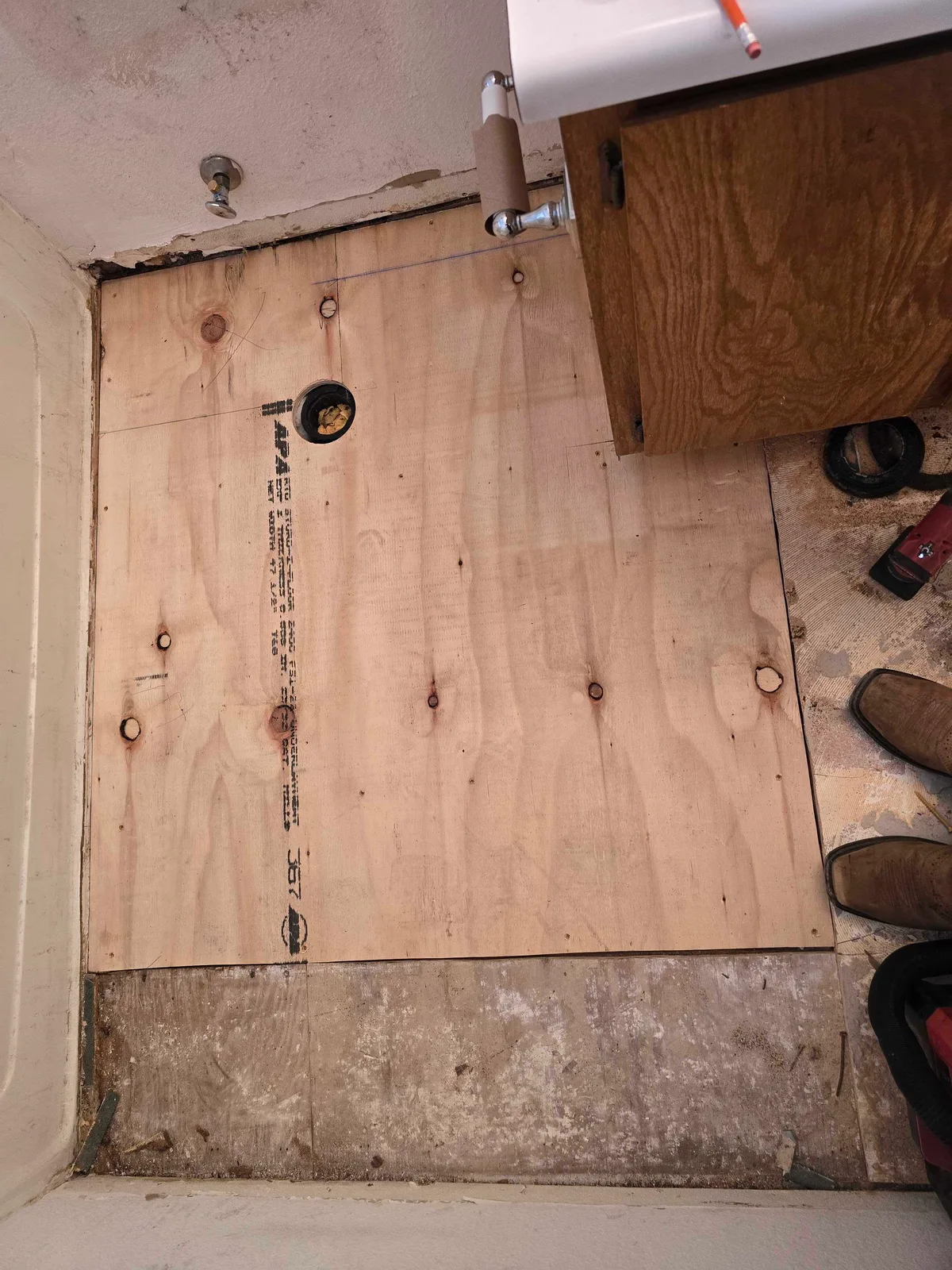
Steady Craftsman bathroom-floor repair footage with sound removed for privacy.
Read the surface
You do not need to diagnose the repair yourself. You only need to notice when the material starts behaving differently.
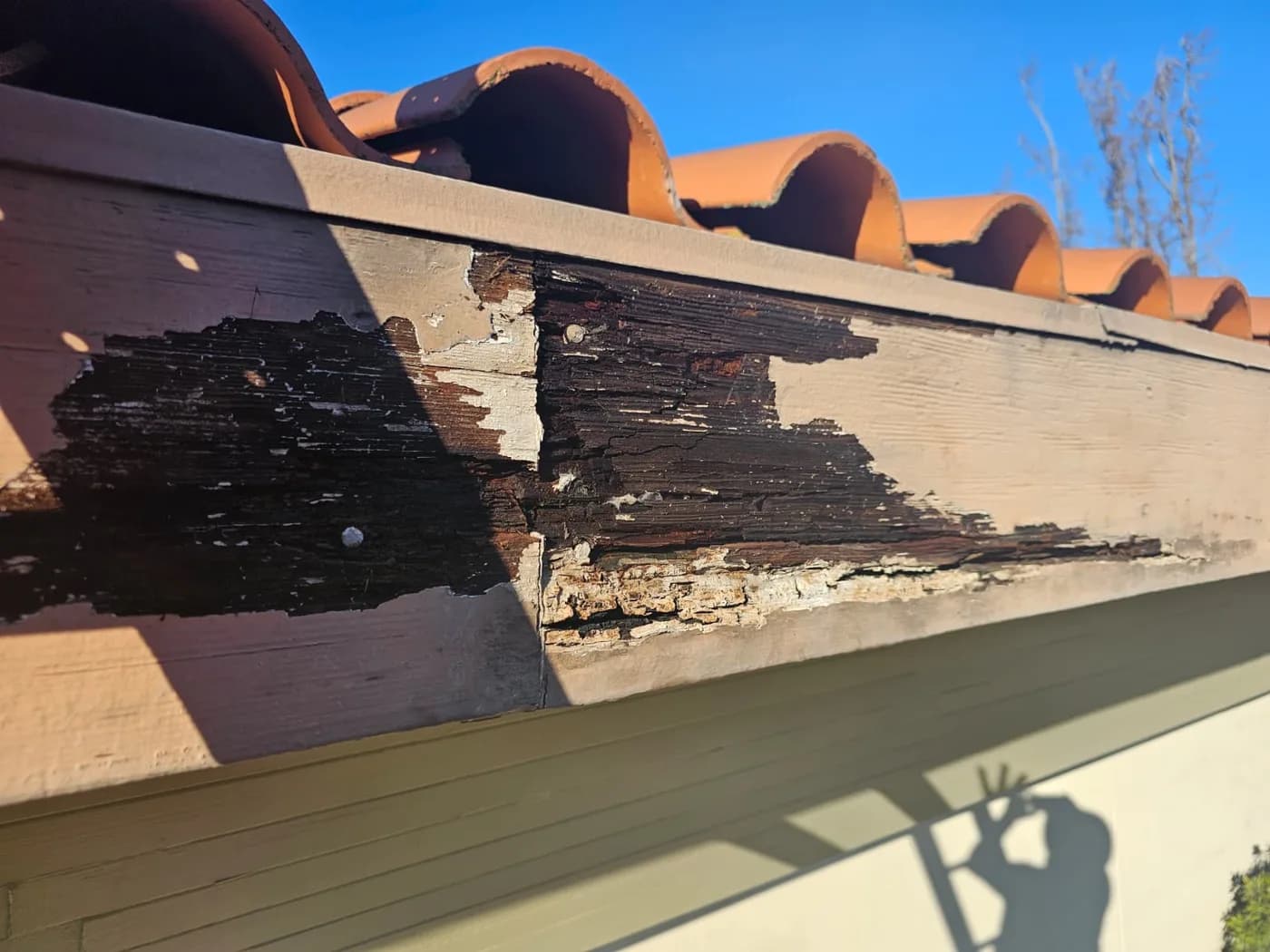
Bubbling, peeling, or cracked paint can reveal where water is getting behind the finish.
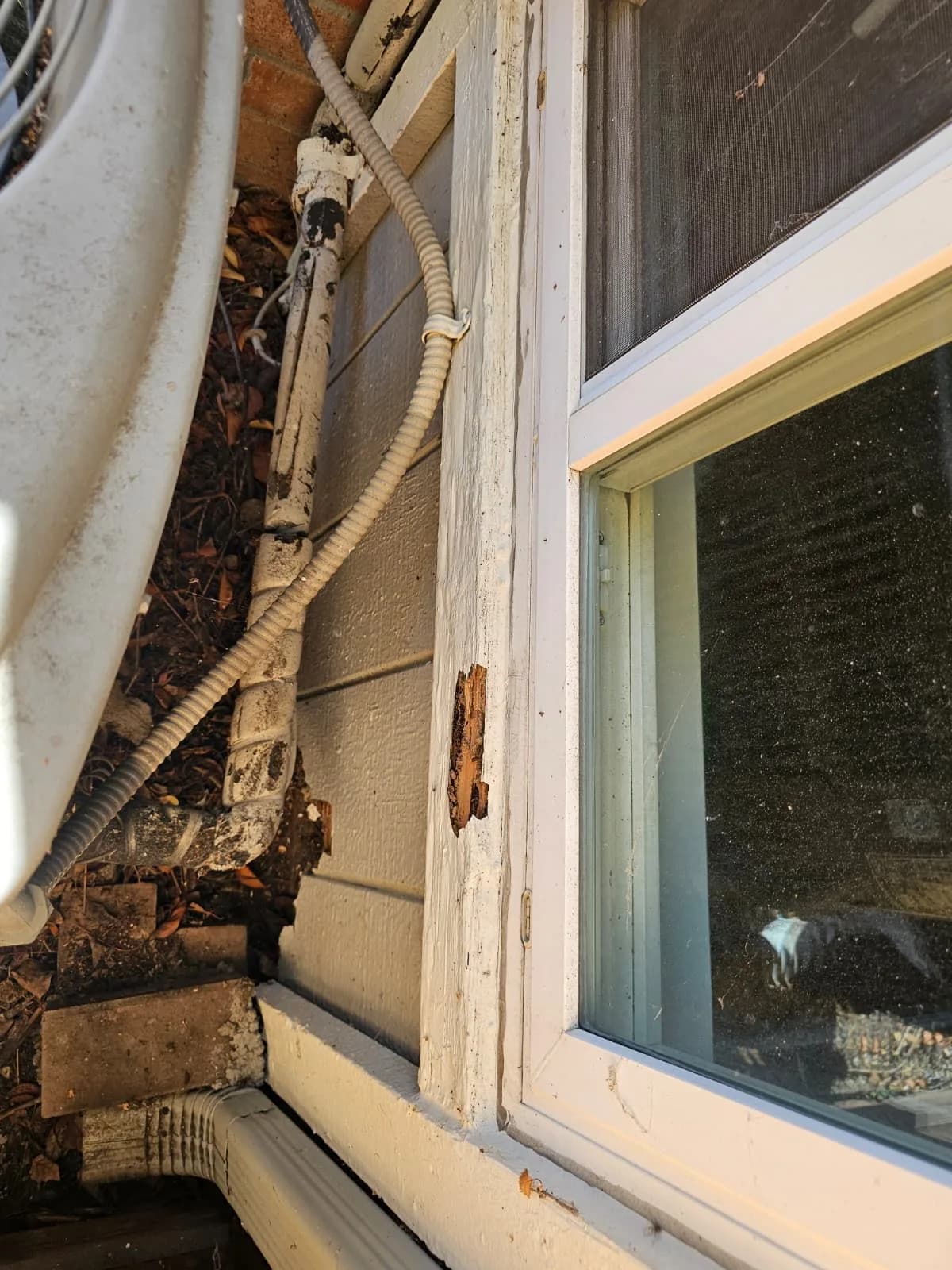
Dark stains and persistent damp patches can point to moisture that is not drying normally.
A surface that feels soft, swollen, or spongy needs a closer look—not another coat of paint.
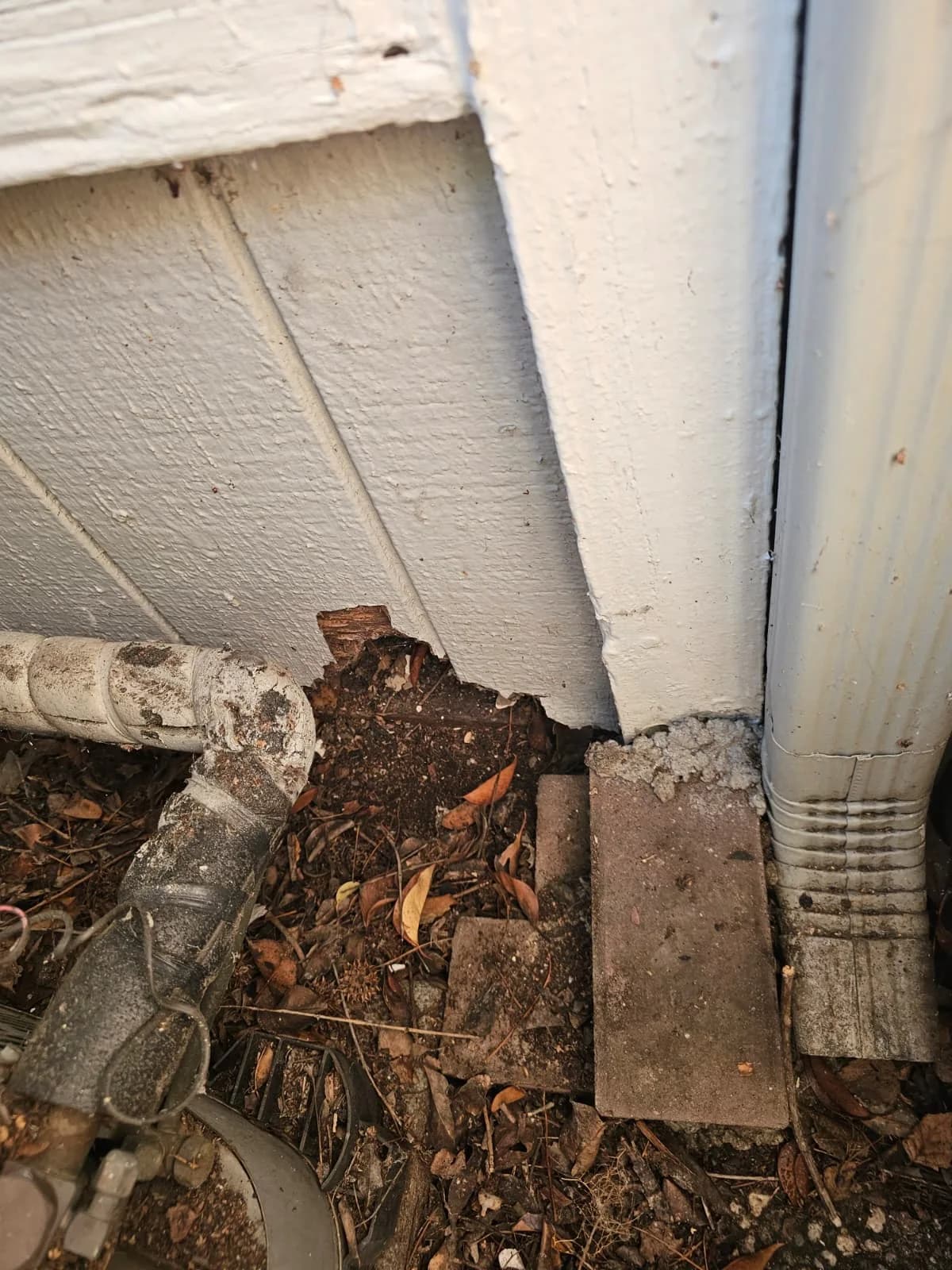
Crumbling corners, open joints, and separating trim often expose damage already moving inward.
A closer look at the edge
Silent Steady Craftsman footage showing exposed fascia damage.
How we repair wood rot
We trace the visible damage and look for the moisture source behind it.
Loose finishes and compromised material are opened carefully until the boundary is clear.
Damaged material is removed, then the affected detail is repaired or replaced.
The repair is closed, protected, and checked so water has a harder path back in.
Keep it from coming back
Keep water moving off the wood, and give damp spaces room to breathe.
Keep gutters and downspouts clear, draining away from the house
Caulk and paint exposed wood before the wet season, not after
Fix small leaks fast — plumbing, roof, and sprinkler overspray
Keep soil and mulch off siding, trim, and post bases
Let crawlspaces and attics breathe; trapped damp air feeds rot
Dry rot & wood repair · Stockton, Tracy, Lodi & Modesto
Central Valley heat and strong sun can break down paint on fascia, window trim and siding. When winter rain or tule fog follows, exposed joints and end grain can stay damp long enough for decay to spread behind a finish that still looks mostly intact. Irrigation is another common path: sprinkler overspray can repeatedly wet planter boxes, wall bases and stucco-to-wood transitions. Many homes across Stockton, Tracy, Lodi, Manteca and Modesto have long runs of painted fascia, exterior trim and other wood details that need both the damaged material and the water path addressed. The territory also reaches Tri-Valley and East Bay communities such as Walnut Creek, Concord, Pleasanton and San Ramon, where ranch and post-and-beam homes bring their own exposed beam ends, siding joints and shaded elevations. Steady Craftsman follows one repair sequence: find the source, open enough to reach sound wood, rebuild the affected detail and protect the finished repair against renewed wetting.
Cities served include Antioch, Brentwood, Ceres, Clayton, Concord, Danville, Dublin, Escalon, Hughson, Lafayette, Lathrop, Livingston, Lodi, Manteca, Modesto, Moraga, Mountain House, Newman, Oakdale, Oakley, Patterson, Pittsburg, Pleasant Hill, Pleasanton, Ripon, Riverbank, San Ramon, Stockton, Tracy, Turlock, Walnut Creek, Waterford. Also by property review: Gustine, Hayward, Livermore, Martinez, Orinda.
Soft or spongy wood, crumbling edges, dark staining and paint that bubbles at joints can point to damage below the finish. The extent is confirmed by carefully opening the affected area.
Central Valley heat and strong sun can break down paint on fascia, window trim and siding. When winter rain or tule fog follows, exposed joints and end grain can stay damp long enough for decay to spread behind a finish that still looks mostly intact. Irrigation is another common path: sprinkler overspray can repeatedly wet planter boxes, wall bases and stucco-to-wood transitions. Many homes across Stockton, Tracy, Lodi, Manteca and Modesto have long runs of painted fascia, exterior trim and other wood details that need both the damaged material and the water path addressed. The territory also reaches Tri-Valley and East Bay communities such as Walnut Creek, Concord, Pleasanton and San Ramon, where ranch and post-and-beam homes bring their own exposed beam ends, siding joints and shaded elevations. The specific source still has to be traced at the property.
It depends on how far the decay extends. We find the source, open to sound wood, rebuild or replace the affected detail and protect the finished repair.
The extent of damage, height and access, trim versus framing, matching profiles and paint all affect the scope. The assessment establishes what must be opened and rebuilt.
Trim-only work can differ from structural framing work. Ask during the assessment whether the proposed scope needs review by the applicable Stockton or county building department.
Core service cities include Antioch, Brentwood, Ceres, Clayton, Concord, Danville, Dublin, Escalon, Hughson, Lafayette, Lathrop, Livingston, Lodi, Manteca, Modesto, Moraga, Mountain House, Newman, Oakdale, Oakley, Patterson, Pittsburg, Pleasant Hill, Pleasanton, Ripon, Riverbank, San Ramon, Stockton, Tracy, Turlock, Walnut Creek, Waterford. Also by property review: Gustine, Hayward, Livermore, Martinez, Orinda. Call (209) 299-1465 so the address and scope can be reviewed.
Use the online request form to send the condition, property address and safe photos, or call (209) 299-1465.
Prepare your repair details
Sketch the project, then call to arrange an assessment.
Caught something changing?
Start with the visible signs. Call Christian Pineda to talk it through, or organize your notes first with the project planner.
Before your Stockton scope review
A photograph starts the conversation; concealed material and the water source need their own assessment.
Compare access, concealed damage, moisture correction and finish work before treating two wood-rot repair estimates as equivalent.
Separate leak correction, wood condition and readiness to close an opening. Know what to ask before new finishes conceal water-affected materials.
Compare exterior sill or trim repair with whole-window replacement by separating visible wood damage, window-unit condition and the moisture path.
Project examples do not establish your property's condition or a local project address. Confirm coverage, service fit and availability for your address.
Use these city guides to review local housing context, moisture paths and the service topics available for the property.
Stockton · practical preparation
Keep addresses and photographs for the call; this page collects nothing.
Shared Steady Craftsman examples
Browse drywall finish photos and porch-railing, exterior-wall repair sequences. Project locations are unnamed.