
Stockton base · mapped request-review area
Home repair planning
in Lodi.
Considering exterior wood or trim repair in Lodi? Lodi’s municipal polygon is contained in Christian’s mapped Stockton-based territory. Describe the visible condition and its location on the building before choosing a repair or repainting approach.
Call (209) 299-1465Christian Pineda · Stockton territory. Scope is confirmed on site.
Before confirming a visit
Photos, access,
and a clear scope.
Lodi and outlying addresses are reviewed individually for jurisdiction, access, scope, and availability. This guide is not evidence of a local office or a permanent crew.
Review Christian’s full mapped territory- 01Take an overview of the window, door, or fascia and a close-up from a safe location
- 02Note returning stains, peeling finishes, or wood that appears soft or crumbly
- 03Record when you noticed the change and any known leak; photos do cannot determine hidden damage
Exterior trim: separate the finish from the material.
Peeling paint alone cannot determine how far deterioration extends. Describe what you can see without opening unsafe areas. The scope review should distinguish finishing, affected wood, and any moisture-source or specialist work before a repair is priced.
Dry rot & exterior trim: scope, photos & cost driversConfirm jurisdiction before work.
Lodi’s Building Division supports owners and contractors through plan check and inspection. Confirm the property jurisdiction and ask about the proposed work; this guide does not assert a permit exemption or a specific local rule.
Official resource — Lodi Building Division (external site)Repair questions
Lodi project
questions.
How do I check service for a Lodi address?
Call with the property address, visible condition and repair scope. Coverage, access, permit questions and current scheduling are reviewed for each request.
What affects the estimate?
The amount of affected material, access, matching parts or finishes, hidden conditions, and specialist or permit needs can change the scope. Use the linked service guide to prepare questions; prices are discussed on the call.
Where were the project photos taken?
The images are Steady Craftsman project examples with no city named. Use them to see visible repair stages and finished details.
Lodi exterior repairs: preserve the detail, investigate the wetting
The existing Lodi planning question remains the right one: is the problem the finish, the material, or water reaching the assembly? Local older-neighborhood guidance adds another: what original detail should a repair preserve?
Guide evidence: Lodi Consolidated · Lodi Older Neighborhoods · Lodi Porches · Climate Valley · Nps Porches · Usda Decay · Epa Lead · Census Nearby
Housing and building context
Lodi’s 2024-2028 Consolidated Plan includes substantial pre-1980 occupied housing and describes many older units east of Stockton Street. Its underlying ACS/CHAS period is 2013-2017, not a fresh physical survey; housing-problem measures are not a wood-decay rate.
Sources: Lodi Consolidated
Materials: evidence, not assumptions
Lodi’s older-neighborhood guidance addresses original wood clapboard and retaining original exterior materials. A historical ordinance record also addresses porch design integrity. These sources support decisions for houses possessing those features, not a claim that all Lodi houses are wood-clad or historic.
Sources: Lodi Older Neighborhoods · Lodi Porches
Moisture and exposure questions
In the regional rainy-winter/dry-summer cycle, retained wood profiles and porch joints need water-shedding details as well as a compatible finish. Sun-weathered paint, checking and actual moisture-driven decay must be distinguished; an older neighborhood label proves none of them.
Sources: Climate Valley · Nps Porches · Usda Decay
Older east-side stock is context, not a condition diagnosis
The Consolidated Plan identifies many older units east of Stockton Street, while its housing tables use an earlier ACS/CHAS period. That helps justify checking building and alteration dates; it does not prove today’s repair need or the material of a particular facade.
For homes that may predate 1978, do not scrape or sand to find out what lies beneath the paint. Include the age uncertainty in the professional assessment.
Sources: Lodi Consolidated · Epa Lead
Match an existing detail before choosing a replacement look
Indexed municipal guidance favors retaining original exterior materials and discourages covering original clapboard with stucco merely to modernize it. The historical porch guidance similarly treats rails and other visible elements as part of the building’s design.
Record the complete window, doorway or porch and a close view from a safe position. Dimensions, profile, existing material and current review requirements need confirmation before choosing a substitute. The indexed documents are not a blanket current permit ruling.
Sources: Lodi Older Neighborhoods · Lodi Porches
Do not seal in an unresolved moisture problem
At a window sill, fascia or porch joint, recurring rain entry or irrigation wetting is more useful evidence than the loose label “dry rot.” NPS guidance distinguishes surface weathering and moisture movement from decay and hidden structural deterioration.
Keep suspect rails and steps out of use. Photos do not reveal the condition behind trim or certify a porch’s load path; professional inspection and any required permit/preservation review precede a repair specification.
Sources: Nps Porches · Usda Decay · Climate Valley
Lodi: questions from the guide
Does peeling paint mean my Lodi clapboard must be replaced?
No. Paint failure alone cannot determine decay or its depth. Identify the substrate, water route and condition, then consider retention or a compatible repair; hazardous-paint review may be needed before disturbance.
Can an old porch rail be changed simply to modernize the house?
The historical Lodi guidance treats the porch as part of the architecture. Discuss the existing design and current safety requirements together with the City and an appropriate professional; preservation never makes an unsafe rail acceptable.
FAQ synthesis references: Lodi Consolidated · Lodi Older Neighborhoods · Lodi Porches · Climate Valley · Nps Porches · Usda Decay · Epa Lead · Census Nearby
Follow the supported topic, not a city-name template
- Lodi trim planning: keep original clapboard in the repair decision
- Lodi porch and railing planning: preserve the design without keeping a hazard
Supported nearby-jurisdiction references
- Stockton guide
Calculated: approximately 10.1 miles between Census internal points; among the three nearest in this remaining 18-city subset. Same accepted Stockton territory. Not boundary adjacency, driving distance, or a service promise.
Sources: Census Nearby
- Lathrop guide
Calculated: approximately 21.7 miles between Census internal points; among the three nearest in this remaining 18-city subset. Same accepted Stockton territory. Not boundary adjacency, driving distance, or a service promise.
Sources: Census Nearby
Proximity is geographic context only, not an expanded service area.
Sources and their limits
Source scope matters: a historic district does not describe every home, and regional exposure is not a property diagnosis. These references are links only.
San Joaquin Valley regional climate context
State of California, Climate Adaptation Strategy · Direct source checked · accessed 2026-09-19
Scope: Regional background for San Joaquin, Stanislaus and Merced counties; not a city weather station, parcel flood map or decay survey.
Evidence: The state describes hot, dry summers and foggy, rainy winters. Used only for seasonal context; no local climate statistic or exposure prevalence is inferred.
Wood Handbook, Chapter 14: Biodeterioration of Wood
USDA Forest Service, Forest Products Laboratory · Indexed excerpt only — limited evidence · accessed 2026-09-19
Scope: 2010 Wood Handbook, general wood-decay mechanisms, not a California prevalence study. Indexed passages inspected; attempted original retrieval recorded separately.
Evidence: Decay requires suitable moisture conditions; rain, condensation and wet-ground contact are water sources. Repair planning should correct the moisture condition that led to decay. No moisture-content threshold is used as a homeowner diagnostic rule.
Preservation Brief 45: Preserving Historic Wooden Porches
National Park Service, Technical Preservation Services · Direct source checked · accessed 2026-09-19
Scope: 2006 general preservation guidance; original PDF passages pp. 5-7 inspected; complete original, extraction and retrieval receipt saved in this research folder. Not a local survey or current building code.
Evidence: Distinguishes ledgers/supports and connections from decorative woodwork. Water shedding and drying matter; prolonged high moisture promotes decay. Repeated wetting/drying changes wood dimensions, while light can weather exposed surfaces. Serious structural concerns require professional assessment.
Lead-Safe Renovations for DIYers
U.S. Environmental Protection Agency · Direct source checked · accessed 2026-09-19
Scope: Federal consumer safety guidance, read September 19, 2026; no local lead-paint incidence established.
Evidence: Pre-1978 homes may contain lead paint; repair or painting that disturbs it can create dangerous dust. EPA recommends lead-safe certified professionals. This packet limits owners to observation and does not reproduce DIY disturbance procedures.
Census TIGERweb municipal internal points — preserved January 2026 query
U.S. Census Bureau; local calculation from preserved query receipt · Preserved local evidence packet · accessed 2026-09-19
Scope: planning/source-packets/map/census-query-receipts.json, intersects.features[].attributes; January 1, 2026 incorporated places. Acceptance checked against candidate-inventory.json.
Evidence: All 18 remaining assigned cities have Census internal-point coordinates. nearby-calculated.json records Haversine distances and nearest candidates within this 18-city subset after the relayed overlap decision. Distances are calculated straight-line internal-point distances, not boundary adjacency, travel distance, or operating coverage.
Lodi 2024-2028 Consolidated Plan and 2024-2025 Action Plan
City of Lodi · Direct source checked · accessed 2026-09-19
Scope: Housing condition/age discussion pp. 76-77; underlying 2013-2017 ACS/CHAS, not a fresh 2026 inspection.
Evidence: Table 33 includes substantial pre-1980 owner- and renter-occupied cohorts; narrative identifies many older units east of Stockton Street. The plan is not a wood-material census, and its selected-condition measures must not be equated with physical decay.
Lodi older-neighborhood additions and alterations guidance
City of Lodi, municipal code hosted by Municode · Indexed excerpt only — limited evidence · accessed 2026-09-19
Scope: Indexed municipal-code guidance for older single-family neighborhoods; direct fetch exposed only the JavaScript shell. Current applicability must be checked with the City.
Evidence: Guidance calls for retaining original exterior materials and avoiding mismatched textures/profiles; original wood clapboard should not be covered with stucco simply to modernize it. It addresses houses possessing those features, not their citywide prevalence.
Lodi Ordinance 1869 — porch and stair rehabilitation guidance
City of Lodi municipal records · Indexed excerpt only — limited evidence · accessed 2026-09-19
Scope: Historical ordinance record, supported by February 6, 2013 agenda excerpt; not independently confirmed as current rule. City records endpoint timed out.
Evidence: The record advises retaining front-porch design integrity and notes that substituting wrought-iron or aluminum railings can compromise the architecture. This is a preservation consideration, not permission to retain unsafe rails or ignore current safety requirements.
Repair guides for scope review
What else needs attention?
These project examples do not imply a condition is more prevalent locally. Service fit is confirmed by scope—not by the city name on a page.
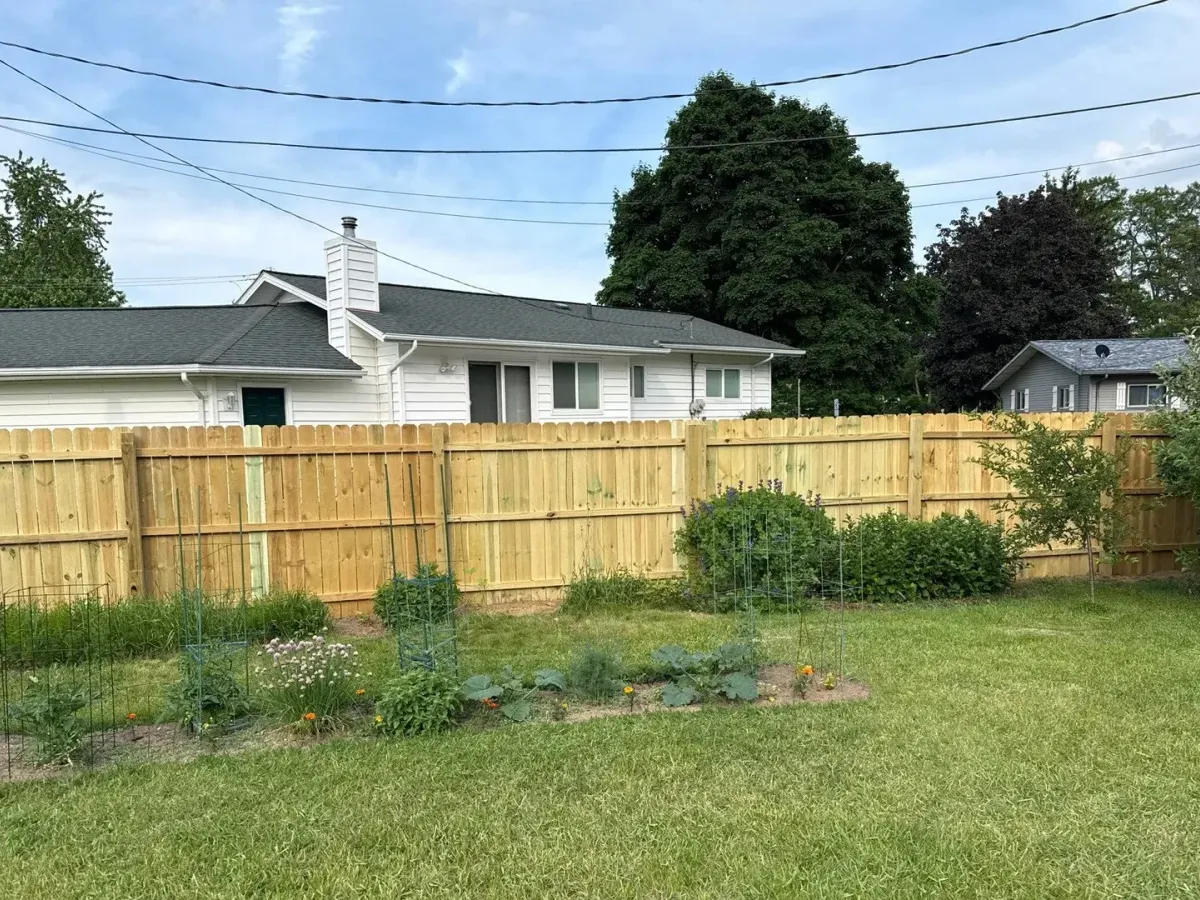 01Company portfolio example
Fence & gate repair
Leaning posts, weathered boards, and gates that won’t quite close.
Explore the service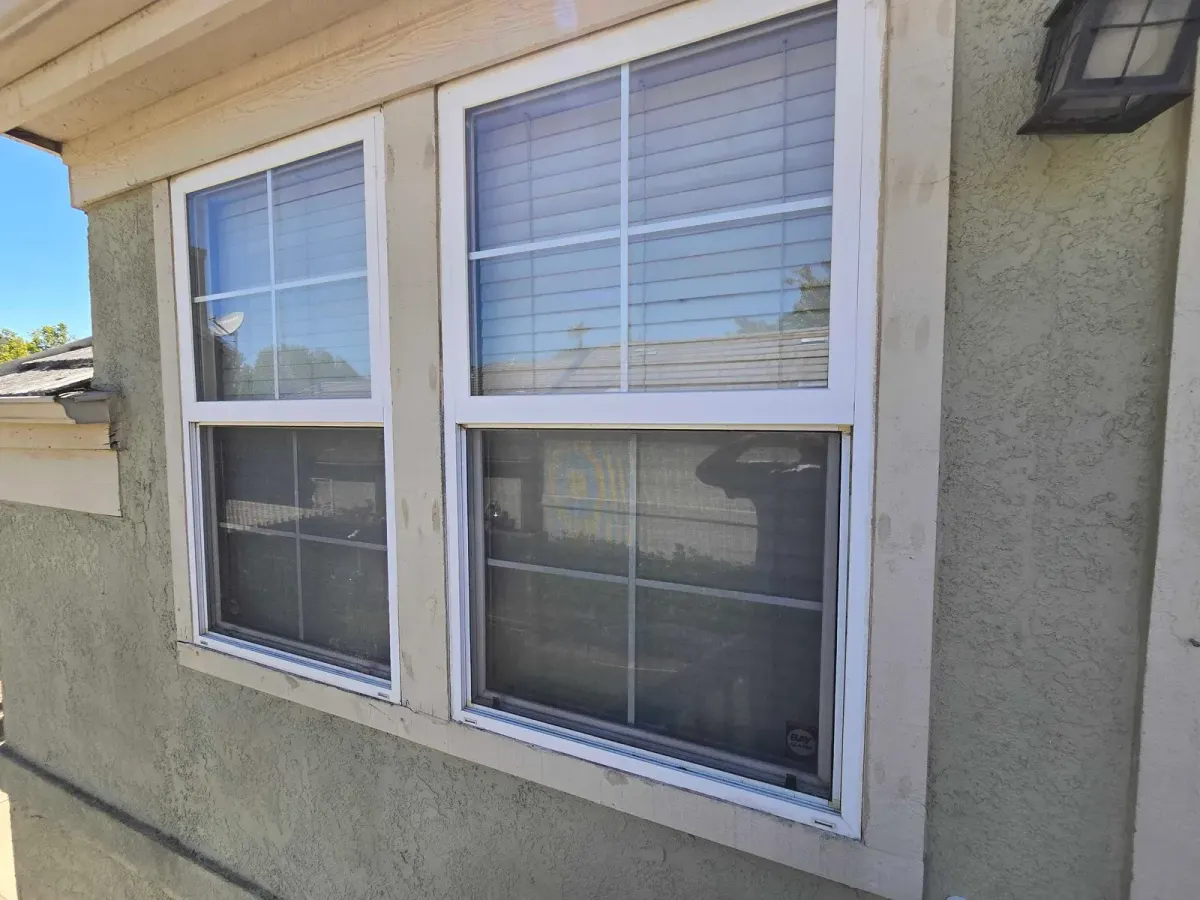 02Company portfolio example
Dry rot & exterior trim
Soft wood, peeling finishes, and exterior details needing a closer look.
Explore the service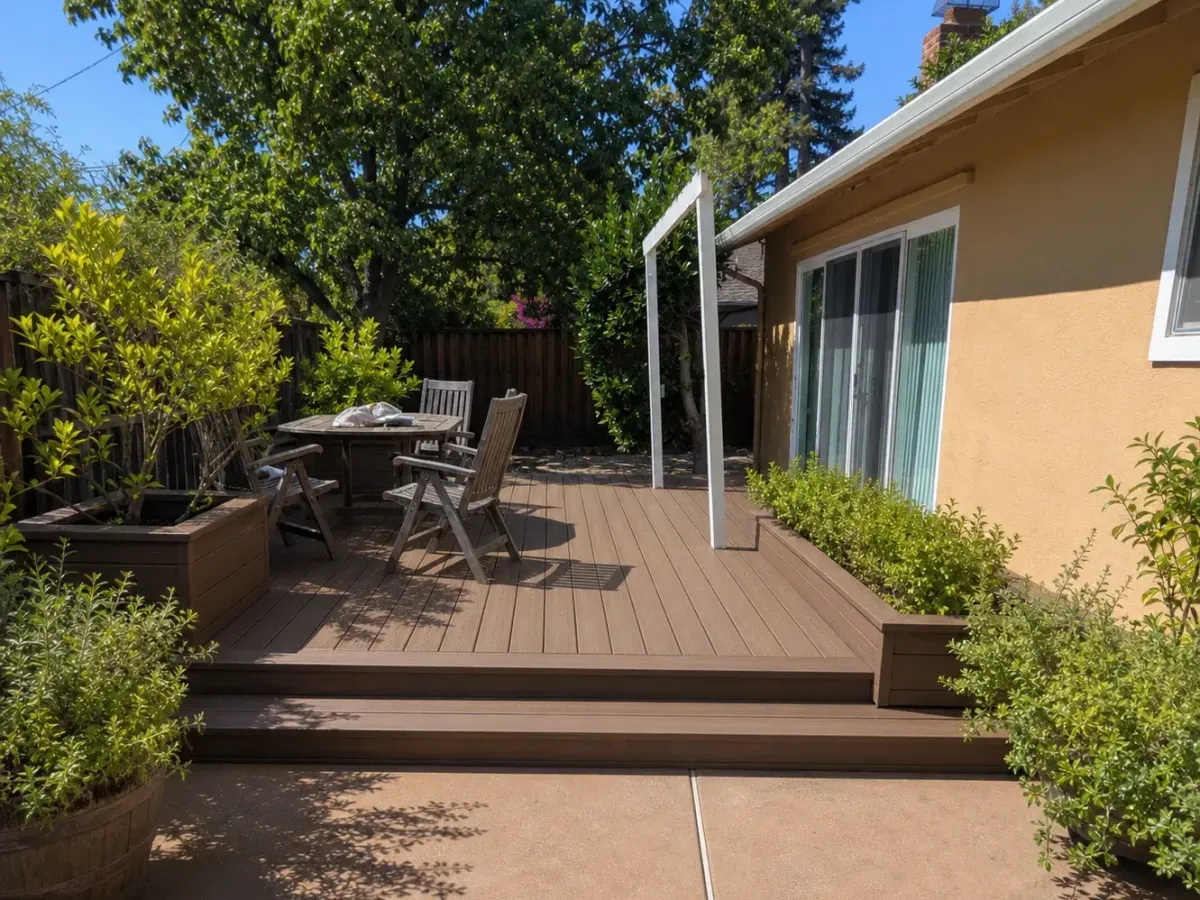 03Company portfolio example
Deck, porch & railing repair
Loose rails, worn steps, and outdoor wood that needs attention.
Explore the service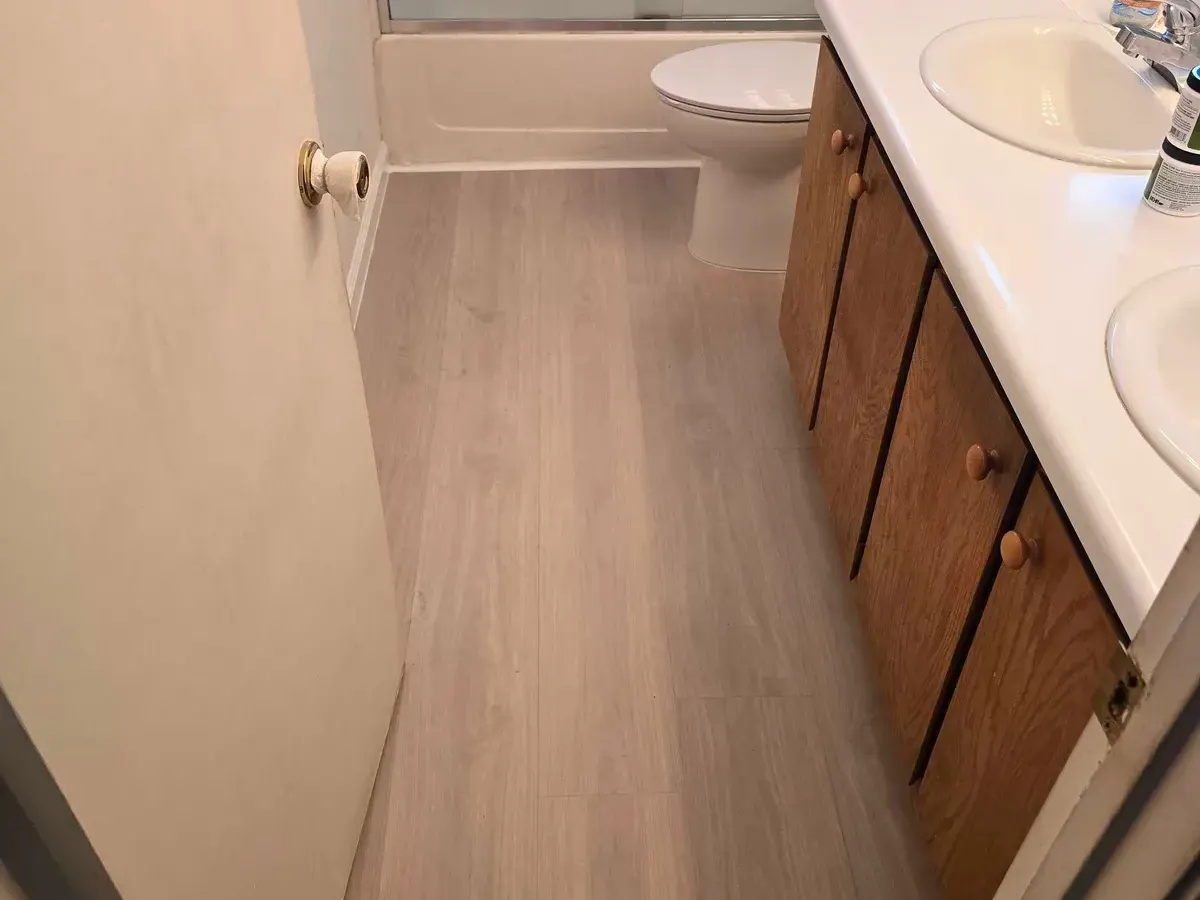 04Company portfolio example
Home maintenance & finish repair
Everyday adjustments, small repairs, and the details you keep putting off.
Explore the serviceReady to look at your Stockton repair?
Talk it through with Christian Pineda. Describe what you are seeing, where the property is and when it started; the scope is confirmed on site, not from a photo.
Before your Stockton scope review
Know what to ask before choosing a repair.
A photograph starts the conversation; concealed material and the water source need their own assessment.
- What changes the cost of a dry-rot repair?
- How to prepare for a wood-rot assessment without disturbing the damage
- A leak was fixed. Is the wood ready to close up?
- More damage appeared after opening: what should a revised repair scope explain?
- After a wood-rot repair: a practical homeowner closeout checklist
- Rotted Window Sill: Repair or Replace?
- Residential and Commercial Water-Damage Repair: Which Trade Handles Each Stage?
- Commercial Interior-Trim Water Damage: Plan Access and Finish Boundaries
- Dry Rot, Water Damage or Moisture Damage? Understanding the Repair Question
- Mold and Damaged Wood: What Must Be Resolved Before Repairs?
- Water Stain or Deteriorated Wood? What Safe Photos Can Show
- Water-Damaged Door Thresholds: Define the Repair Boundary
- Patio-Door Surround Damage: Separate Carpentry from the Door Unit
- Fascia and Soffit Water Damage: Repair Scope After the Water-Source Review
- Lower Siding and Trim Moisture Damage: Where Should the Scope Stop?
- Water Damage Below a Kitchen Sink: Cabinet Base, Floor or Both?
- Ceiling Damage After an Upstairs Leak: What Belongs in the Repair Proposal?
- Deck and Balcony Moisture Damage: Boards Are Not the Whole Assembly
- Crawlspace Moisture and Damaged Wood: Coordinate the Right Specialists
- Dry to the Touch Is Not the Same as Sound Wood
- Drying Equipment and Wood Repair: Two Different Parts of a Water-Damage Project
- Water-Damage Repair Records for Property Owners and Managers
Project examples do not establish your property's condition or a local project address. Confirm coverage, service fit and availability for your address.
Shared Steady Craftsman examples
Explore the company project collection
Browse drywall finish photos and porch-railing, exterior-wall repair sequences. Project locations are unnamed.