Stockton service guide · 04

Home maintenance & finish repair in Stockton

Give your to-do list a plan.

Central Valley heat and strong sun can break down paint on fascia, window trim and siding. When winter rain or tule fog follows, exposed joints and end grain can stay damp long enough for decay to spread behind a finish that still looks mostly intact. For Home Finish Repair in Stockton, We look at damaged drywall, trim, doors, wall surfaces and finish details after the original leak or rot source has been corrected. The repair follows Find → Open → Rebuild → Protect: confirm the affected area, open only as needed, restore sound backing and finishes, then protect vulnerable joints from renewed wetting.

Call (209) 299-1465Talk to Christian Pineda about home maintenance & finish repair in Stockton.
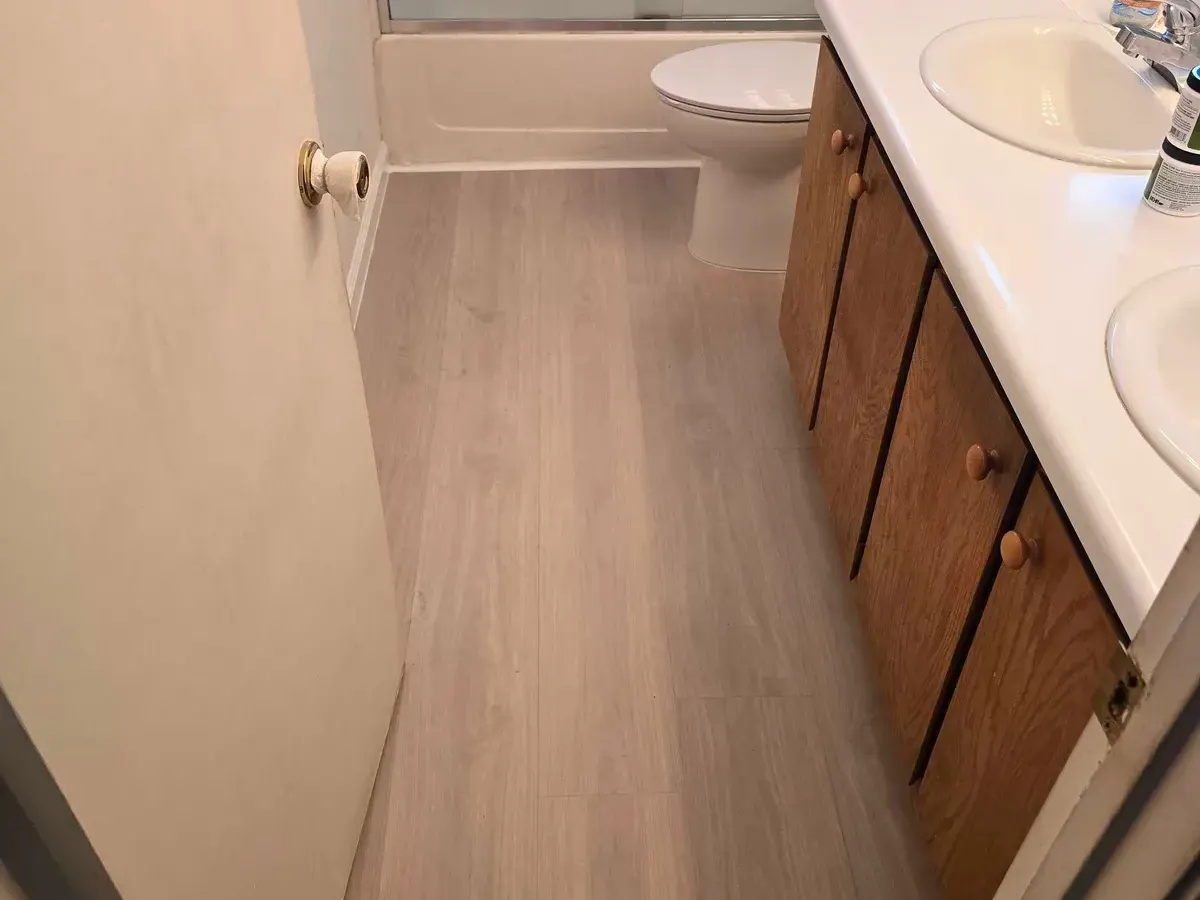
Bathroom with new plank flooring and baseboard trim; shared Steady Craftsman project example
Steady Craftsman portfolio exampleSteady Craftsman project example

When to take a closer look

Visible signs worth
a closer look.

You don’t have to diagnose the whole repair. Start with the signs you can see.

  • 01Small repairs are collecting around the house
  • 02Doors, hardware, or trim need adjustment
  • 03Seasonal wear is easier to notice than to organize

What a scope review can cover

  • Small carpentry and finish repair review
  • Door and hardware adjustments
  • Exterior maintenance task planning
  • A prioritized household repair list

Photos & details to prepare

Make a separate entry for each task, include approximate dimensions, and note whether you already have materials. A few overview photos help clarify access and scope.

A note on safety & scope

Electrical, plumbing, structural, hazardous-material, and other regulated work are not automatically included. Each task needs an appropriate scope, qualifications, and availability check.

Sourced technical guidance

A water-first maintenance list for Stockton's mixed Valley and East Bay territory

A useful maintenance list explains which small defects are independent and which share a cause. A sticking exterior door, stained casing and a nearby leaking gutter should not automatically become three unrelated cosmetic jobs. Across this territory's Valley, East Bay and Tri-Valley addresses, start with the building's own water paths and construction details. This topic supports planning only; it offers no booking, response time or per-owner service fit.

Technical synthesis source set: Nps Moisture · Usda Biodeterioration · Usda Finishing · Nps Porches · Epa Lead · Nws Bay Exposure

Symptoms and observation

  • Make a location-based record from ordinary accessible areas: the door affected, which corner of the finish peels, where a visible joint has opened and whether the symptom follows rain or watering. Record a change in normal operation only if already encountered; do not repeatedly force a resistant door or gate to reproduce it.
  • Separate a finish defect from a functional warning. A worn paint surface may be maintenance; a door that suddenly binds beside a new wall crack, a visibly displaced support or a ceiling with active staining needs a broader investigation. Appearance alone cannot identify the trade or cause.
  • Look at exposed downspout outlets and drainage paths from a safe position. Splashback onto lower trim or water retained against the wall helps frame the investigation, but a photograph does not show below-grade drainage, concealed leaks or the condition behind siding.

Synthesis references: Nps Moisture · Usda Biodeterioration · Usda Finishing · Nps Porches · Epa Lead · Nws Bay Exposure

When structure changes the scope

  • An apparently minor fastening problem may actually be lost holding strength in wet wood. Repeatedly adding screws to a loose exterior fitting without identifying the substrate can postpone recognition of decay. Connections supporting a handrail, porch roof or elevated surface are outside a cosmetic punch-list decision.
  • New movement, visibly detached overhead pieces, an unsafe exit or water near electrical equipment warrants prompt appropriate professional help rather than batching into routine maintenance. Structural, roofing, electrical and plumbing findings should be assigned to the appropriate qualified trade; the word handyman does not erase those boundaries.

Synthesis references: Nps Moisture · Usda Biodeterioration · Usda Finishing · Nps Porches · Epa Lead · Nws Bay Exposure

Materials and repair decisions

  • Group work by dependency: investigate and correct the water source before replacing damaged casing, then prepare and finish compatible material. A maintenance proposal can preserve sound components and replace only failed parts, provided the underlying assembly and attachment have been checked.
  • Weatherstripping and sealants serve different functions. A suitable seal can reduce unwanted entry at a designed joint; indiscriminately sealing drainage openings can trap water. Match the existing window or door system's requirements rather than applying caulk to every visible gap.
  • For exterior wood, identify the old coating and the condition beneath it before selecting a primer or topcoat. A finish needs a sound, suitably dry substrate. Cleaning should not drive water behind cladding, and paint preparation on potentially lead-painted surfaces needs a separate safe-work plan.

Synthesis references: Nps Moisture · Usda Biodeterioration · Usda Finishing · Nps Porches · Epa Lead · Nws Bay Exposure

What drives an estimate

  • A written list should distinguish inspection, minor adjustment, replacement parts and finish restoration. Work at scattered elevations or around inaccessible sides of a building may require more setup than several items at one accessible doorway.
  • Unknown prior alterations, unavailable matching hardware and moisture damage behind an apparently simple item make a fixed scope difficult. Ask which discoveries require a revised proposal instead of assuming a larger allowance guarantees a complete remedy.
  • Lead-safe containment, specialist referrals, permit questions and coordinated return visits after drying can alter the total. These are planning variables, not a promise of bundled savings or a territory price schedule.

Synthesis references: Nps Moisture · Usda Biodeterioration · Usda Finishing · Nps Porches · Epa Lead · Nws Bay Exposure

Timing and exposure

  • Use a before-and-after wet-weather record to evaluate exterior maintenance, with a separate note for irrigation-season symptoms. This works for a Valley property and an East Bay property without declaring their weather identical.
  • Schedule coatings around site conditions rather than a generic summer date. Shaded joints may stay damp after sunny wall faces dry; hot exposed surfaces can also be outside a product's application limits. Review the corrected area after the next comparable wetting event.

Synthesis references: Nps Moisture · Usda Biodeterioration · Usda Finishing · Nps Porches · Epa Lead · Nws Bay Exposure

Technical planning questions

Which items belong at the top of a maintenance list?

Separate immediate safety or active-water concerns from routine wear first. Then place cause correction ahead of finish work. This is a prioritization method, not remote diagnosis: a qualified person must determine whether a seemingly small symptom involves structure or a specialized building system.

Is adding more caulk a reasonable first step?

Only after the joint's function and source of water are understood. Some openings intentionally drain or ventilate an assembly. Sealing them may retain moisture, while caulking the stain location may miss a roof or gutter defect above it.

Can a single visit settle every item?

That cannot be promised. Some findings require parts identification, dry substrate conditions, specialist assessment or a permit determination. A useful work list distinguishes ready-to-scope items from those needing investigation rather than presenting all maintenance as interchangeable labor.

What makes an observation log better than a list of photographs?

The log adds dates, normal-use changes and the weather or watering event associated with the symptom. Wide views connect the defect to nearby assemblies. Neither a log nor photographs can verify concealed damage, but both help an assessor avoid treating recurring symptoms as isolated blemishes.

FAQ synthesis references: Nps Moisture · Usda Biodeterioration · Usda Finishing · Nps Porches · Epa Lead · Nws Bay Exposure

Sources and their limits

Source scope matters: a historic district does not describe every home, and regional exposure is not a property diagnosis. These references are links only.

  1. Wood Handbook, Chapter 14: Biodeterioration of Wood (2021)

    USDA Forest Service, Forest Products Laboratory · Preserved local evidence packet · accessed 2026-09-19

    Scope: Inspected previously retrieved primary PDF and extraction in qa/seo-depth/common/pdf/common-usda-biodeterioration; printed pages 14-1 to 14-8. General wood science, not a local damage survey.

    Evidence: Decay fungi require available moisture; dry rot is a misleading name for decay that may subsequently dry. Mold, chemical staining and decay are different phenomena. Early decay can reduce strength before conspicuous material loss. Heartwood durability varies, sapwood is less resistant, and repairs must address the moisture condition. Ground-contact exposure and structural consequences affect material treatment choices.

  2. Preservation Brief 39: Holding the Line—Controlling Unwanted Moisture in Historic Buildings

    National Park Service · Preserved local evidence packet · accessed 2026-09-19

    Scope: Inspected primary PDF already retrieved into common/pdf/common-nps-moisture; printed pages 1-7 and maintenance passages. Historic-building guidance; mechanism-level use, not a diagnosis or current municipal code.

    Evidence: Document moisture patterns and investigate sources before treatment. Roof runoff, failed gutters and flashing, irrigation, ground moisture, plumbing and condensation can wet materials; water can travel away from its entry point. Trapped moisture and indiscriminate impermeable coatings can worsen damage. Ice and freeze-thaw can physically damage materials; that mechanism is distinct from fungal decay.

  3. Preservation Brief 45: Preserving Historic Wooden Porches (2006)

    National Park Service · Direct source checked · accessed 2026-09-19

    Scope: Downloaded and parsed primary PDF in research/territory-services/pdf/ts-nps-porches; especially printed pages 5-11 and structural/code discussion. Preservation methods require property-specific assessment.

    Evidence: Porch floors, bases, columns, roof drainage and foundations interact. Pots, mats and vegetation can retain moisture. Loose rails can reflect failed fasteners, split wood or decay; a floor finish cannot determine structural adequacy. Skilled localized wood inserts and selected epoxy repairs can retain fabric, but supporting members need structural assessment and safe temporary support. Shallow supports may move with frost or soil moisture. Deicing salt can corrode fasteners.

  4. Wood Handbook, Chapter 16: Finishing Wood (2021)

    USDA Forest Service, Forest Products Laboratory · Direct source checked · accessed 2026-09-19

    Scope: Directly downloaded primary PDF; inspected printed pages 16-1 to 16-12 and application/failure passages. General finish and moisture science; no product-specific warranty or service-life prediction.

    Evidence: Sunlight degrades exposed wood surfaces and coatings; moisture changes drive swelling, shrinkage, checking and cupping. These processes are not themselves a diagnosis of rot. End grain readily absorbs water. Painting wet or degraded wood invites failure. Finishes slow moisture movement but do not replace drainage. Wood species, existing coating, surface preparation and application conditions affect finish selection and performance.

  5. Renovation, Repair and Painting Program: Consumers

    United States Environmental Protection Agency · Direct source checked · accessed 2026-09-19

    Scope: Primary consumer guidance fetched September 19, 2026; pre-1978 housing and paint-disturbing renovation. cannot determine any property's paint content or any provider's certification.

    Evidence: Homes built before 1978 are more likely to contain lead-based paint. Sanding, cutting and other paint-disturbing renovation can release hazardous dust and chips. EPA recommends hiring a lead-safe certified contractor trained in lead-safe work practices for such projects.

  6. San Francisco Bay Area / Monterey Bay Area Forecast Discussion, September 19, 2026

    NOAA National Weather Service, San Francisco Bay Area · Direct source checked · accessed 2026-09-19

    Scope: Directly inspected 1:12 PM PDT September 19, 2026 bulletin. A dated example of coastal/inland contrast, NOT a climate normal or a forecast that remains current after retrieval; rolling URL will change.

    Evidence: The bulletin distinguishes cloudy coast, warmer interior, variable marine-layer penetration, windward-slope drizzle potential and Monterey Bay conditions. Guides use only the need to check exposure and current conditions at the actual site; no bulletin temperature or future event is repeated as evergreen advice.

City-specific repair decisions

Use these city guides to review local housing context, moisture paths and the service topics available for the property.

What affects this repair’s cost?

  • Task count, complexity, and whether the work can sensibly be grouped
  • Correct parts, material sourcing, and fit of owner-supplied items
  • Access, setup, and tasks needing a separately qualified trade

A real estimate follows an on-site scope review; call to arrange one. No prices or turnaround guarantees are published here.

From a question to an agreed scope.

  1. Describe the visible issue, approximate dimensions, and safe access.
  2. Confirm the address, trade requirements, and craftsman availability; review permits or specialist needs.
  3. Assess the affected area and discuss repair options, including what may remain unknown.
  4. Agree on materials, written scope, and scheduling before work starts.

Cities we serve around Stockton.

Dry-rot and wood repair across Antioch, Brentwood, Ceres, Clayton, Concord, Danville, Dublin, Escalon, Hughson, Lafayette, Lathrop, Livingston, Lodi, Manteca, Modesto, Moraga, Mountain House, Newman, Oakdale, Oakley, Patterson, Pittsburg, Pleasant Hill, Pleasanton, Ripon, Riverbank, San Ramon, Stockton, Tracy, Turlock, Walnut Creek, Waterford. Also by property review: Gustine, Hayward, Livermore, Martinez, Orinda.

Stockton / San Joaquin corridor

Eight mapped municipalities, not a claim of whole-county coverage.

Walnut Creek / Contra Costa corridor

Walnut Creek is both user-confirmed and mapped. These named municipalities do not imply whole-county service.

Tri-Valley corridor

Dublin and Pleasanton are contained. Livermore is only partially intersected; see boundary address checks below.

Stanislaus / Central Valley corridor

Nine mapped municipalities; no whole-county or trade-availability promise.

Livingston outer corridor

Only the effective full municipalities listed in this corridor remain assigned here.

Have the property address, safe photos and the visible condition ready for the assessment.

Before your Stockton scope review

Read the guide for the decision ahead.

A photograph starts the conversation; concealed material and the water source need their own assessment.

Project examples do not establish your property's condition or a local project address. Confirm coverage, service fit and availability for your address.

A useful starting point

Your repair
questions.

What should I show you before a handyman & home maintenance assessment?

Make a separate entry for each task, include approximate dimensions, and note whether you already have materials. A few overview photos help clarify access and scope.

How is the repair scope decided?

We trace the visible condition and water path, open the affected area as needed, and identify what can be repaired versus replaced before the scope is agreed.

Ready to look at your Stockton repair?

Talk it through with Christian Pineda. Describe what you are seeing, where the property is and when it started; the scope is confirmed on site, not from a photo.

Call (209) 299-1465Request a repair assessmentOr organize your details first with the project plannerNo prices are quoted online. Requests go to Christian Pineda through the secure Stockton request form; the scope is confirmed on site.

The Steady Craftsman portfolio

Real projects. A closer look.

Steady Craftsman project examples showing visible conditions, repair stages and finished details.

Drywall restoration & finish details

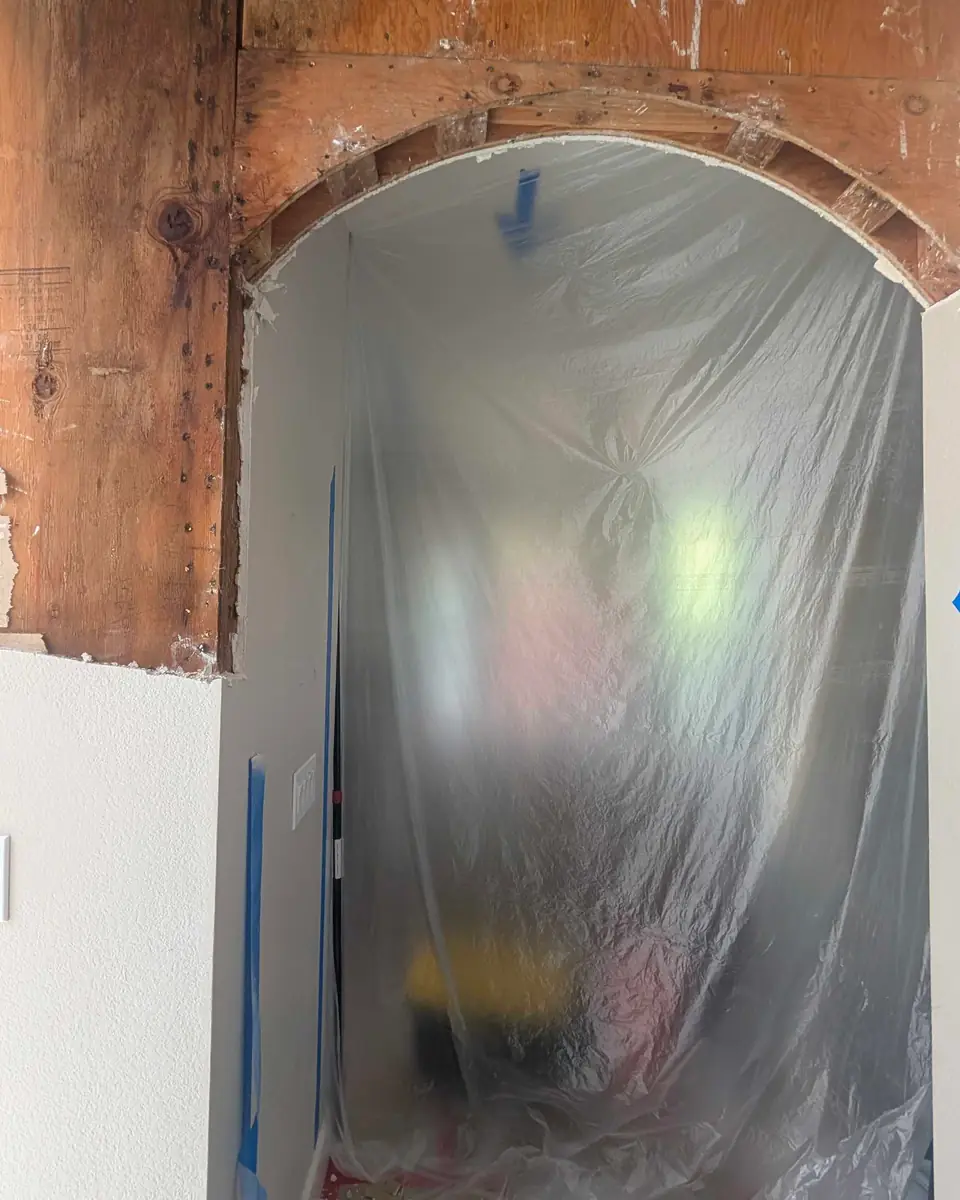
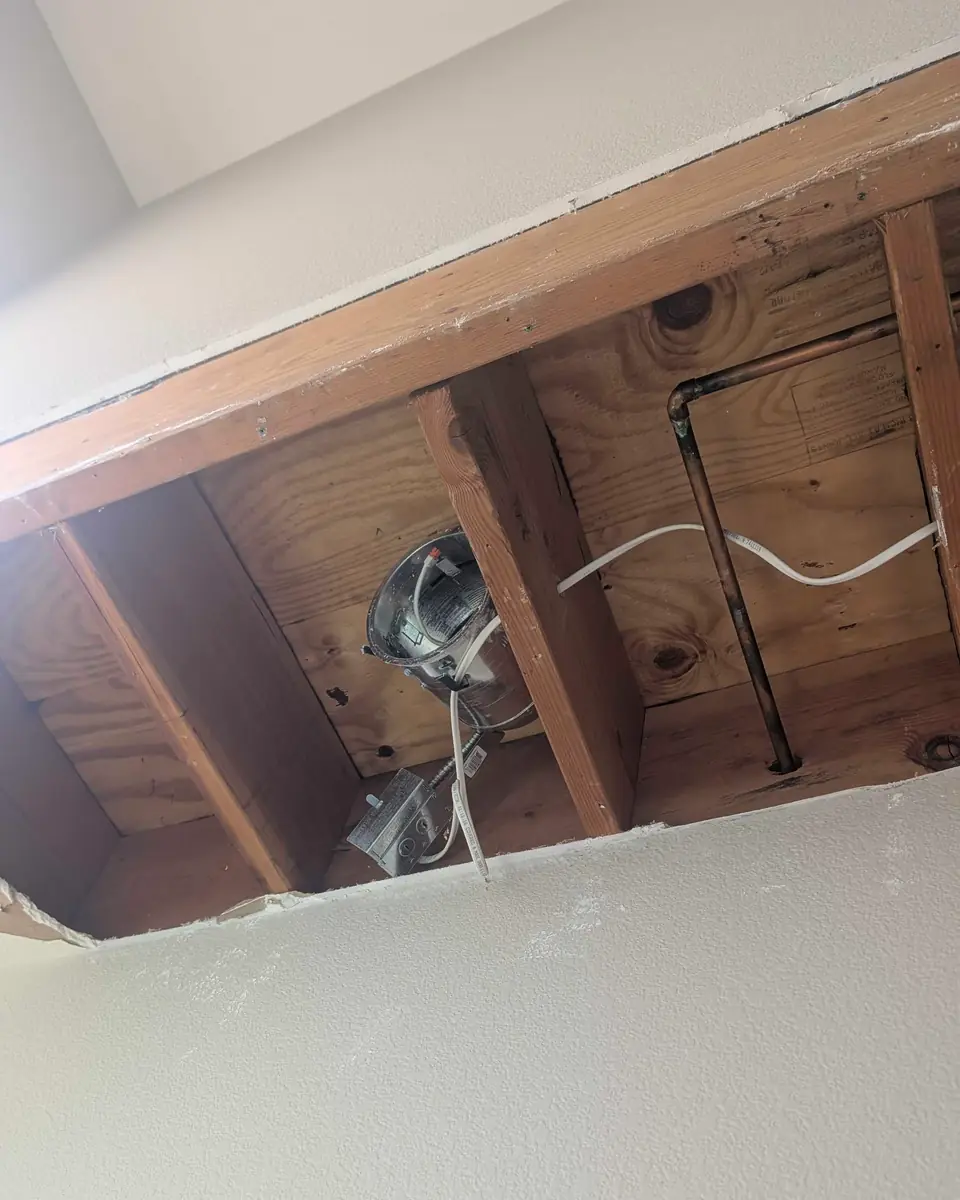
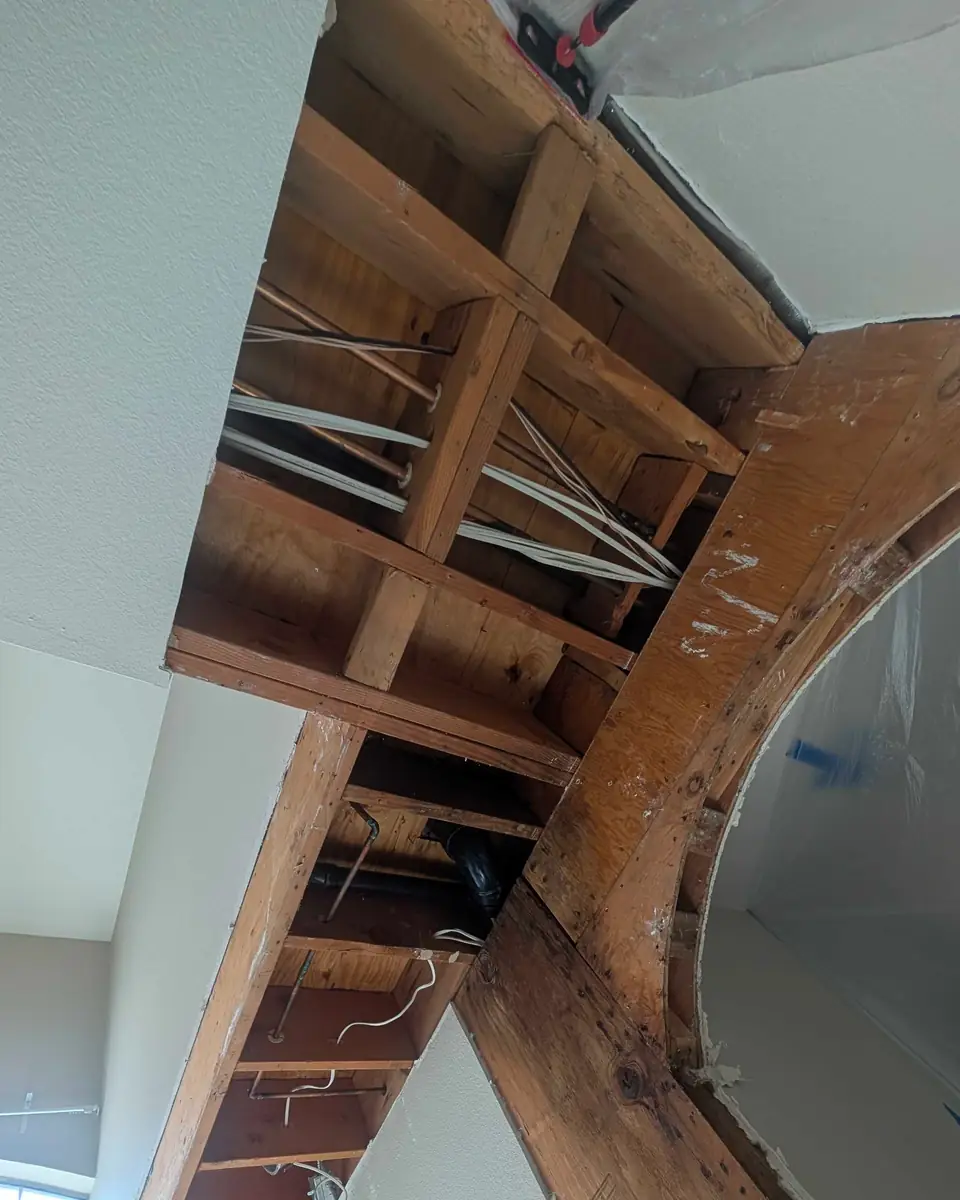
Opened framing, ceiling work areas and finished surfaces from a Steady Craftsman drywall restoration project.

What we found
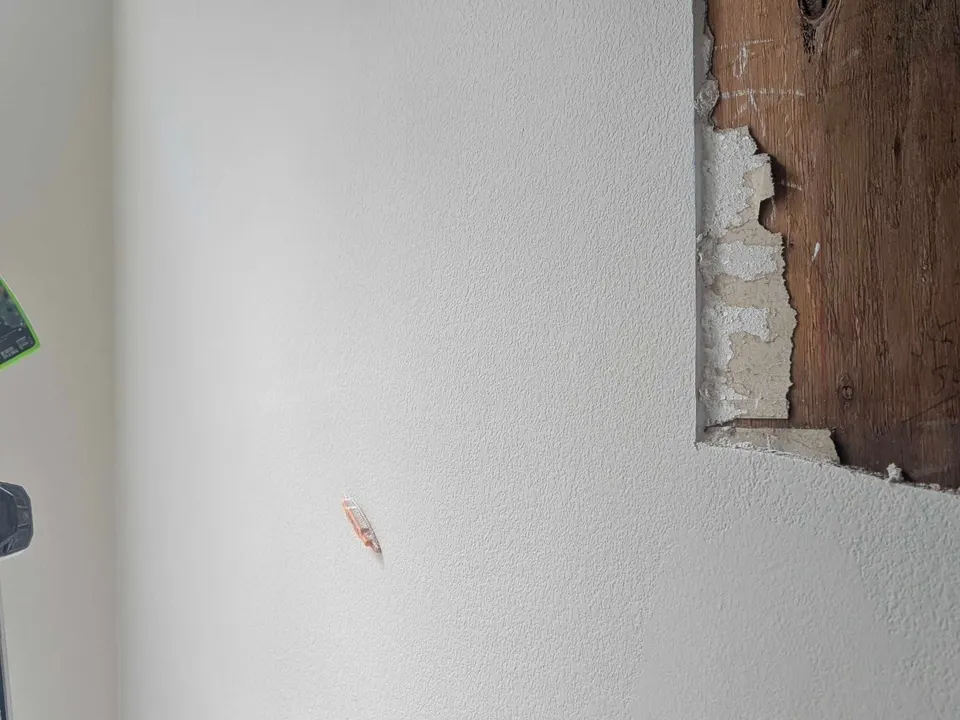
Interior wall and ceiling finishes were opened to expose the framing around the work area.
What we did
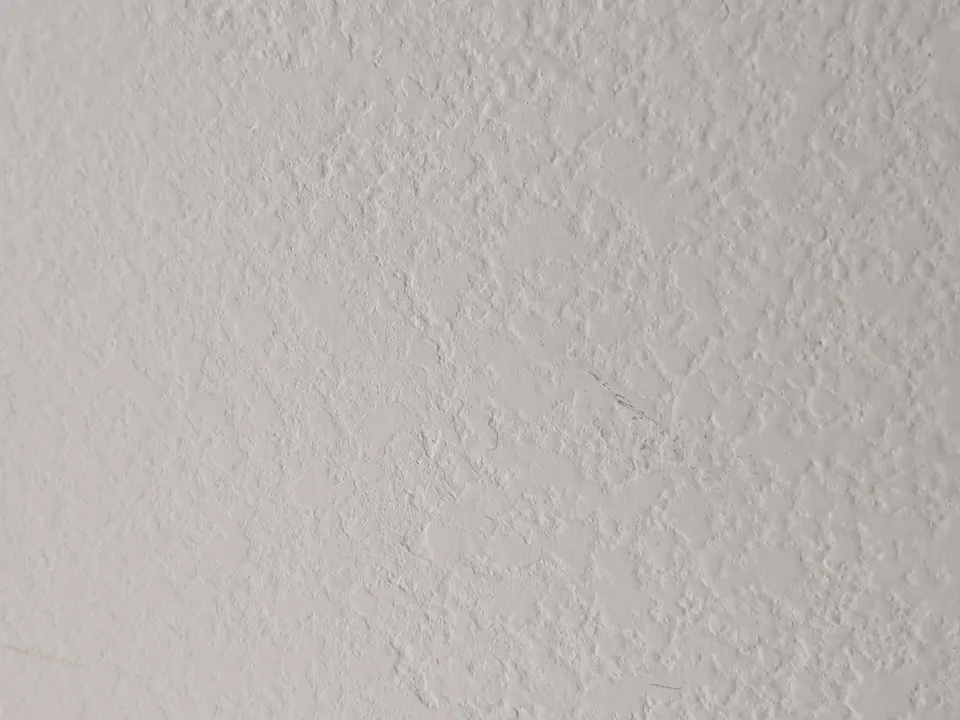
The openings were closed, blended and textured to meet the adjoining finish.
Result
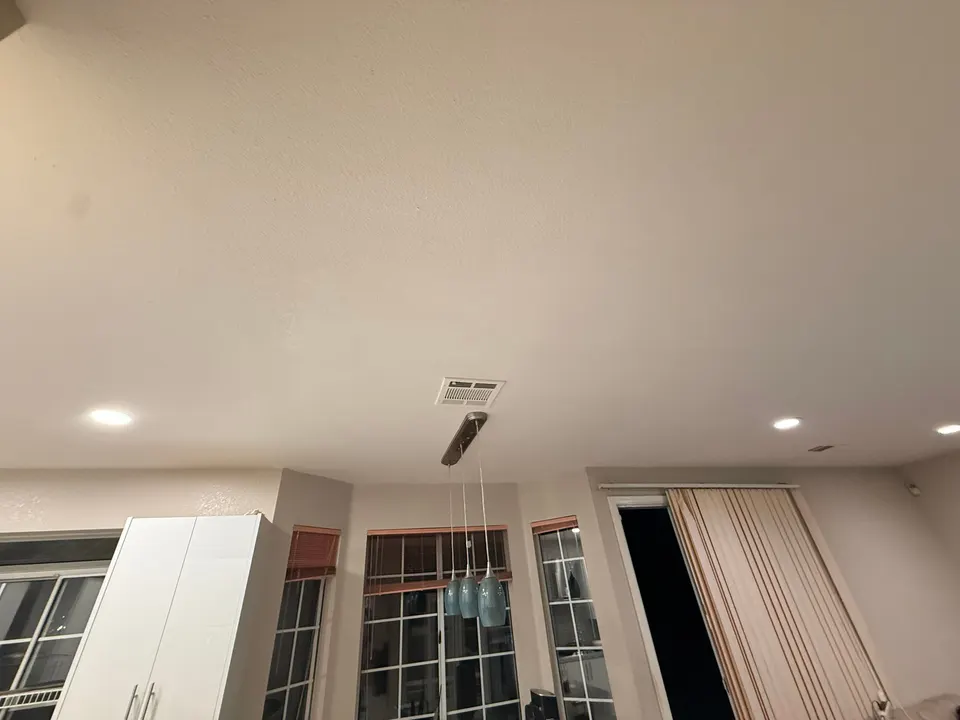
The finished ceiling and wall surfaces read as continuous details.
Interior arch opened to expose wood framing during drywall restoration
During: opened arch framing around the repair area.
Ceiling opened around framing during interior drywall restoration
During: ceiling opened around the affected framing.
Ceiling framing exposed above an interior room during restoration
During: ceiling framing visible before the surface was closed.
Interior wall with an opened section beside existing white drywall
Work area: opened wall beside the existing drywall.
Close-up of light-colored interior wall texture
Detail: wall texture recorded during the repair visit.
Finished light-colored ceiling above windows and curtains
Finish view: ceiling and adjoining interior surfaces.