
Deck and Railing Repair in Stockton: Safety Checklist
A practical safety-first checklist for Stockton homeowners who notice loose railings, damaged boards, stair movement, or other deck and porch concerns.
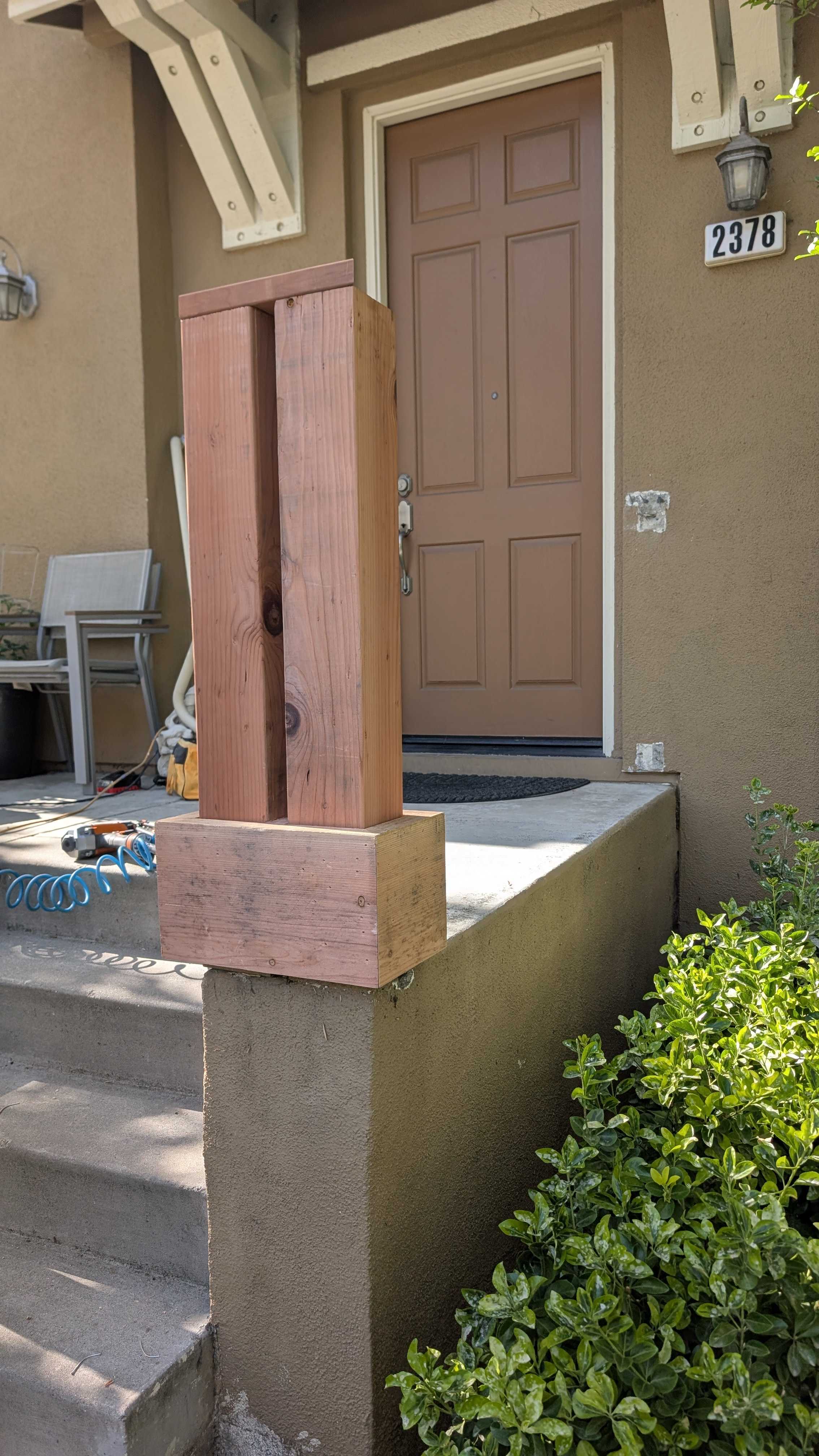
A loose railing, soft board, or stair that moves underfoot is not a cosmetic punch-list item. It is a reason to stop, limit access, and understand what is moving before planning the repair.
This checklist helps Stockton homeowners document visible deck, porch, stair, and railing concerns for a deck, porch, and railing repair review. It is not a structural inspection and does not replace evaluation by a qualified professional when the supporting system may be affected.
Start with safe access
If a railing, stair, landing, or deck section moves unexpectedly, keep people and pets away from that area. Do not gather several people on the deck to “test” it. Do not lean against a questionable guard or climb underneath a deck that appears unstable.
Inspect only from locations you can reach safely. Use your phone zoom for elevated or hard-to-reach details instead of a ladder when possible.
Look at the walking surface
From a safe position, scan the boards and the edges of the deck or porch. Note:
- Boards that are split, loose, cupped, or missing
- Fasteners that stand proud of the surface
- Areas that feel noticeably soft or springy
- Openings or damage near stairs and door thresholds
- Repeated staining or peeling finish
- Debris or planters that keep one area damp
- Changes in level between connected sections
A single damaged board may be a localized repair. Several soft or moving boards can point to damage below the surface, so the scope should not be decided from the top alone.
Check stairs and handrails
Stairs concentrate movement and deserve a separate look. Document:
- A tread that tilts, cracks, or moves
- A riser or stringer area with visible damage
- A handrail that twists or pulls away
- Posts that move at the base
- Uneven transitions at the top or bottom landing
- Loose fasteners or connections
- Rot or splitting where stairs meet soil, concrete, or the deck frame
If a stair or handrail is not reliable, block access until it can be reviewed.
Check guards and railings without force
A railing should not feel loose during normal use. You do not need to shove or load it to find out whether it is failing. Photograph any visible gaps, separated joints, cracked posts, missing balusters, or fasteners pulling away.
The U.S. Consumer Product Safety Commission’s outdoor repair checklist advises homeowners to look for loose hardware, split or decayed wood, and loose railings as part of deck safety. Those are useful screening signs, but they do not tell you how far damage extends behind a connection.
Look where the structure meets the home
The connection between a deck and the home, along with posts and beams below, can be more important than the finish surface. From a safe viewpoint, take wide photos showing:
- The full deck or porch elevation
- Where it connects to the house
- Posts at the ground or footing
- Beams and visible framing
- Stair connections
- Areas below roof edges, downspouts, doors, or windows
Do not remove siding, flashing, or structural fasteners for a photo review. If a connection is concealed or looks altered, note that it could not be confirmed.
Repair or larger rebuild?
A focused repair may be possible when the issue is limited and the surrounding structure is sound. Examples can include replacing a damaged board, correcting isolated railing components, or rebuilding a small stair detail.
A broader review is warranted when:
- Several structural or walking-surface components are damaged
- Posts, beams, stairs, or the deck-to-house connection move
- Decay continues into concealed framing
- Previous repairs use mismatched or improvised connections
- The layout no longer meets the intended safe use
- Work changes the size, height, structure, or configuration
The estimate should state what can be confirmed before opening the assembly and how additional concealed damage will be handled if found.
Take photos and measurements that help
Send:
- A wide image of the whole deck, porch, or stair
- Close-ups of each loose, cracked, soft, or separated area
- Photos of the same location from above and below when safely accessible
- Approximate deck height, length, and width
- Stair count and approximate railing length
- Photos of the home connection, posts, and ground conditions
- Notes about when movement began and whether the area has been repaired before
Include the Stockton property address because permit jurisdiction, access, and service availability depend on location.
Confirm permit requirements before structural work
The City of Stockton’s permit provisions generally cover regulated construction, alteration, and repair of structures. Whether a particular board replacement, railing repair, stair rebuild, or deck alteration requires a permit depends on the exact scope.
Structural connections, changes in configuration, height, stairs, guards, and larger rebuilds deserve early confirmation with the City’s Building and Life Safety team. An HOA or property manager may also require approval before exterior work begins.
Include moisture control in the plan
Deck and porch damage often appears where water sits, drains poorly, or repeatedly reaches an end grain or connection. The EPA’s building moisture guidance emphasizes controlling how water enters and moves through building assemblies.
A durable repair scope should consider drainage, flashing, gaps, finish condition, ground clearance, and whether nearby irrigation or roof runoff is contributing to the problem.
For visible wood decay around the home, read our exterior trim repair guide. For boundary and gate projects, use the Stockton fence repair guide.
Request a deck or railing review
Visit the deck, porch, and railing repair service, confirm the Stockton service area, or request an estimate with clear photos.
Availability depends on address, scope, craftsman fit, schedule, materials, and the appropriate permit or specialty review. If the area appears unstable, keep it out of use until a qualified professional can assess it.