
Dry Rot and Exterior Trim Repair in Stockton: What to Check
Learn the visible warning signs of exterior wood decay, what may be causing it, and what Stockton homeowners should document before requesting repair.
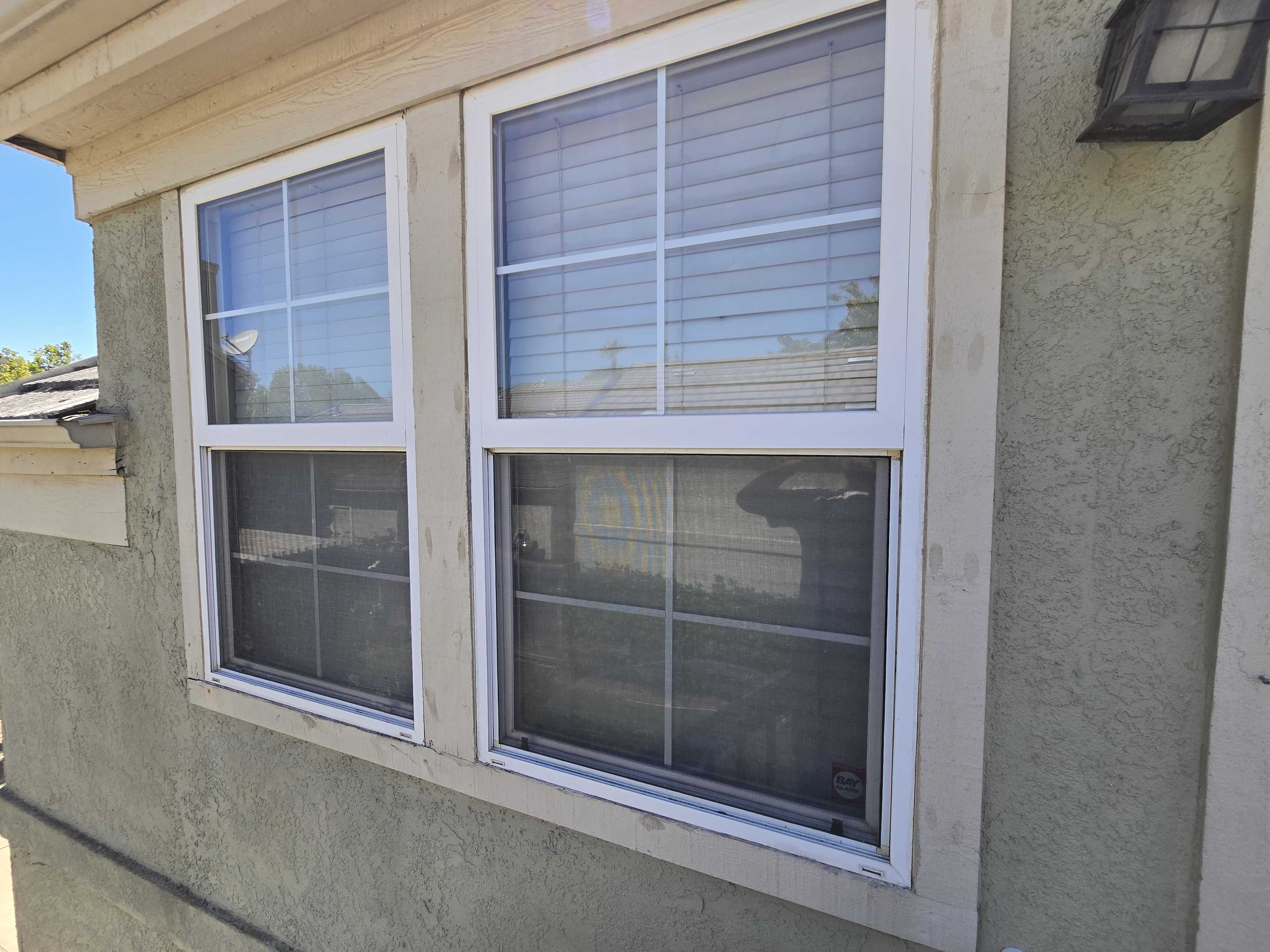
Soft trim, peeling paint, dark staining, or a corner that will not hold a fastener can be signs that exterior wood needs more than a cosmetic touch-up. Homeowners often call the problem “dry rot,” but the useful repair question is simpler: how much wood is damaged, and where is the moisture coming from?
This Stockton homeowner guide covers visible warning signs, useful photos, and the difference between replacing a damaged trim section and investigating a larger building-envelope problem.
What exterior wood decay can look like
Wood decay does not always announce itself with a large hole. Early signs may appear around windows, doors, roof edges, fascia, corner boards, porch details, or places where two materials meet.
Look for:
- Paint that repeatedly bubbles, peels, or separates in the same area
- Wood that feels soft when gently pressed with a blunt tool
- Crumbling fibers, deep cracking, or a blocky texture
- Dark staining that returns after the surface dries
- Open joints around trim, flashing, or siding transitions
- Fasteners that no longer hold securely
- Gaps that let water sit behind or on top of a wood detail
- Nearby caulk that has split, pulled away, or been layered repeatedly
Do not probe aggressively near electrical components, glass, roofing edges, or areas that may be structurally important. A photo is safer and more useful than creating a larger opening before the scope is understood.
Moisture is part of the scope
A trim repair should not stop at the visible damaged board. The U.S. Environmental Protection Agency’s moisture guidance explains that water entering building cavities and not drying quickly can contribute to rot, structural damage, and premature paint failure.
That means the repair review should ask:
- Is water arriving from a roof edge, gutter, flashing joint, window, door, plumbing penetration, or irrigation?
- Can the area drain and dry?
- Is the damage limited to the finish trim, or does it continue behind the visible surface?
- Has the same spot been patched or painted before?
- Does the work affect a window, door, deck connection, stair, or load-bearing component?
Replacing a board without correcting the wetting path can hide the symptom without solving the cause.
When a localized trim repair may be appropriate
A focused repair may be practical when the damaged area is limited, the surrounding substrate remains sound, and the moisture source can be corrected. The scope may include removing the failed section, checking the exposed area, installing compatible material, sealing transitions, and preparing the surface for finish work.
Useful questions for the estimate include:
- How far will the damaged material be removed?
- What happens if additional damage is found after opening the area?
- Will the replacement match the existing profile and thickness?
- What flashing, sealing, or drainage detail is part of the repair?
- Is priming or painting included?
- Does another trade need to address a roof, window, plumbing, or structural issue first?
A clear estimate should distinguish known work from conditions that cannot be confirmed until the damaged section is opened.
When the project needs a broader review
Some signs point beyond a simple trim replacement:
- Damage continues across several connected boards
- A window or door opening is distorted
- The wall, deck, stair, or railing moves
- Water is active inside the home
- There is visible mold over a substantial area
- The damaged wood is part of a structural connection
- The repair may involve regulated materials, permits, or a licensed specialty trade
In those cases, the next practical step may be investigation by the appropriate qualified professional before finish carpentry begins. Steady Craftsman does not treat a photo review as a structural, mold, pest, or code inspection.
Take photos that show cause and context
For an efficient project review, send:
- A wide photo showing where the damage sits on the home
- Close-ups of the soft, cracked, stained, or missing wood
- The area above the damage, including roof edges, windows, gutters, or penetrations
- The area below it, including decks, soil, concrete, or irrigation
- Interior photos if staining appears on the other side
- Approximate length, width, and thickness of the affected trim
- Notes about when the area looks wet and whether it has been repaired before
Avoid uploading personal documents, keys, security codes, or unrelated private details in project photos.
Check permit and lead-safe requirements
Permit needs depend on what is being repaired and what is uncovered. Stockton’s building permit provisions apply to regulated construction, alteration, and repair, with requirements depending on the exact scope. Ask the City’s Building and Life Safety team when work reaches structural framing, openings, stairs, decks, or other regulated components.
Homes built before 1978 may also require lead-safe practices when painted surfaces are disturbed. The project scope should identify the age of the home and the painted materials before sanding, scraping, or demolition begins.
Plan the repair before repainting
Fresh paint can improve appearance, but it cannot restore wood that no longer holds fasteners or cover an active moisture path. First understand the cause, remove unsound material where appropriate, rebuild the detail, and then finish the surface.
For related exterior projects, read our Stockton fence repair guide and deck and railing safety checklist.
Request an exterior wood repair review
Review the dry rot and exterior trim repair service, visit the Stockton service-area page, or request an estimate with clear photos and measurements.
Every project is reviewed by address, scope, craftsman fit, and schedule. Structural, hazardous-material, pest, mold, roofing, window, plumbing, or permit issues may require the appropriate specialist before finish repair work moves forward.