Farmington Hills service guide · 02

Home maintenance & finish repair in Farmington Hills

Separate the tasks before grouping the work.

Farmington Hills homes move through freeze-thaw cycles, spring snowmelt, humid summers and repeated wetting at roof edges. Ice dams can soak fascia and soffits, while standing water or snow load can expose weak points in decks, steps and rail connections. For Home Finish Repair in Farmington Hills, We look at damaged drywall, trim, doors, wall surfaces and finish details after the original leak or rot source has been corrected. The repair follows Find → Open → Rebuild → Protect: confirm the affected area, open only as needed, restore sound backing and finishes, then protect vulnerable joints from renewed wetting.

Call (248) 309-8533Talk to Christopher Nolin about home maintenance & finish repair in Farmington Hills.
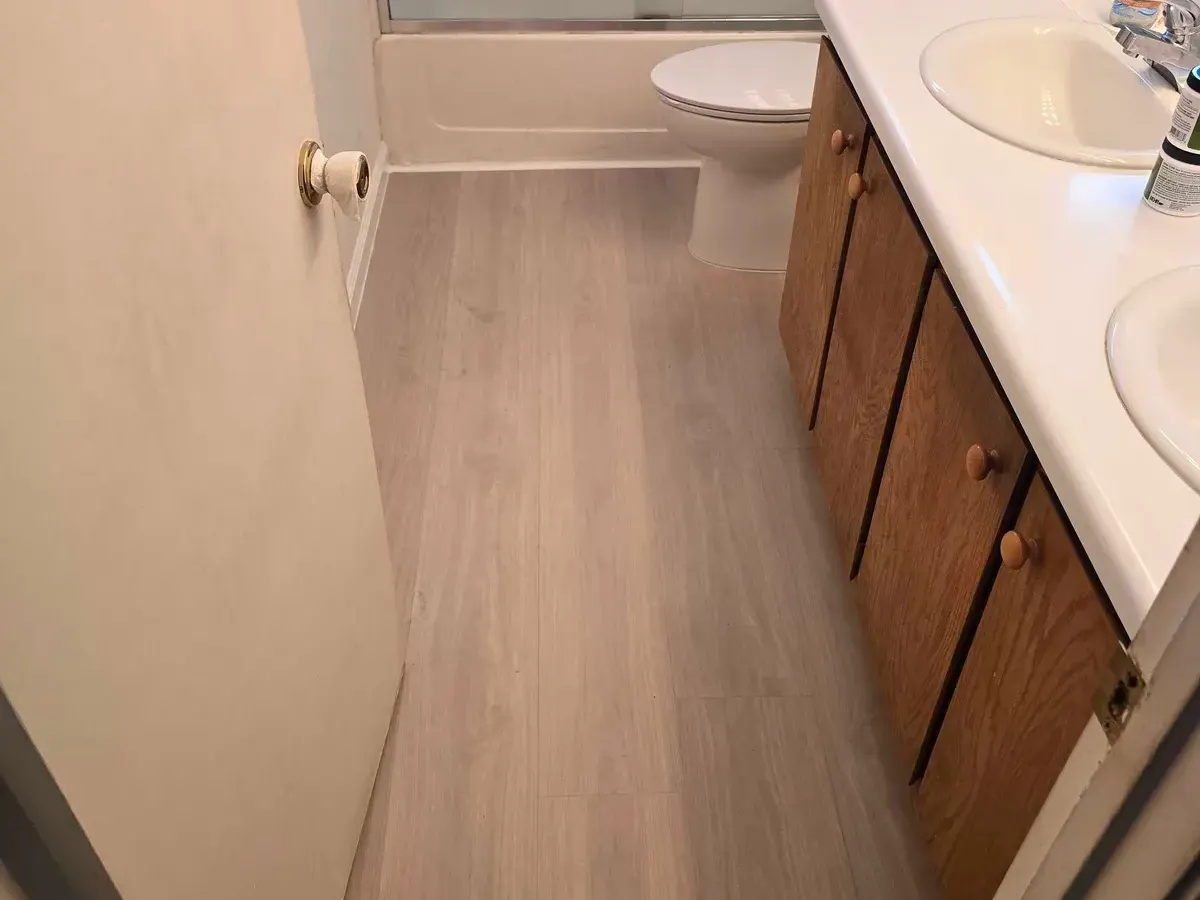
Bathroom with new plank flooring and baseboard trim; shared Steady Craftsman project example
Steady Craftsman portfolio exampleSteady Craftsman project example

When to take a closer look

Visible signs worth
a closer look.

You don’t have to diagnose the whole repair. Start with the signs you can see.

  • 01A door or piece of hardware no longer works normally
  • 02Small finish repairs have accumulated in several rooms
  • 03A floor feels different or damage appears beside a fixture

What a scope review can cover

  • One task, photo and approximate dimension per list item
  • Identify priority, access restrictions and existing materials
  • Separate finish or carpentry tasks from specialist work
  • Review dependencies before grouping work

Photos & details to prepare

Note the room, visible change and safe access. Do not remove fixtures, lift flooring or walk across a suspect area; list unrelated trim or hardware work as separate items.

A note on safety & scope

A household repair list does not authorize electrical, plumbing or structural work. Keep off suspect flooring and have unsafe conditions assessed. A bathroom photo is not a promise of plumbing service.

Sourced technical guidance

Farmington Hills territory maintenance: organize pre-winter, thaw and warm-season observations

A useful maintenance record distinguishes changes found after snowmelt from defects that persist through summer rain or everyday building use. Seasonal timing helps investigation but does not identify the cause on its own. This guide belongs to the eight-core, seven-review-edge Farmington Hills owner-confirmed operational plan. It is educational material; it does not claim that one owner accepts every maintenance trade.

Technical synthesis source set: Nws Michigan · Umn Ice Dams · Nps Moisture · Usda Finishing · Usda Biodeterioration · Nps Porches · Epa Lead

Symptoms and observation

  • From accessible indoor areas and safe ground, record recurring window condensation, ceiling stains, lifting paint and changes in ordinary door fit. Note whether each follows cold weather, thaw, rainfall or another observed event. Do not force a frozen or resistant component to test it.
  • After conditions permit safe observation, compare downspout outlets, visible joints and lower trim with earlier photographs. Ice or snow may have hidden the area previously. A newly visible stain need not be newly created damage, and the record should preserve that uncertainty.
  • Note loose-looking rail attachments, shifted steps and visibly detached exterior details separately from routine finish wear. Do not tighten or shake them to see whether they are repairable; the backing and support may be the actual problem.

Synthesis references: Nws Michigan · Umn Ice Dams · Nps Moisture · Usda Finishing · Usda Biodeterioration · Nps Porches · Epa Lead

When structure changes the scope

  • Seasonal movement can affect an opening or porch, but recurring movement is not automatically harmless. If it accompanies visible separation, a dropped support or an unsafe exit, obtain the relevant qualified assessment before undertaking cosmetic or alignment work.
  • Moisture from roof entry, plumbing or indoor condensation can reach concealed material. A wet finish cannot determine which trade should repair it. Active water, electrical exposure and unstable features require appropriate prompt professional attention rather than waiting for an annual checklist.

Synthesis references: Nws Michigan · Umn Ice Dams · Nps Moisture · Usda Finishing · Usda Biodeterioration · Nps Porches · Epa Lead

Materials and repair decisions

  • Sort the list into source assessment, repair-ready items and specialist referrals. Where a window or door system is sound, compatible seals or hardware may be appropriate. Preserve drainage and ventilation designed into the assembly rather than sealing every opening in an effort to winterize it.
  • Treat roof-edge icing as a building-envelope question when the evidence points there. Professional evaluation of heat loss and water entry may be needed before restoring interior or exterior finishes. A gutter-only assumption or a new trim board can miss the governing mechanism.
  • Choose finishes and sealants for the identified substrate, existing coatings and actual curing conditions. Damaged wood needs assessment before refinishing; pre-1978 painted surfaces may need lead-safe preparation. Electrical and plumbing work remain with the appropriate qualified trade, without homeowner fixture removal.

Synthesis references: Nws Michigan · Umn Ice Dams · Nps Moisture · Usda Finishing · Usda Biodeterioration · Nps Porches · Epa Lead

What drives an estimate

  • Access obscured by snow, delayed visibility and the need to revisit after drying can create stages in the scope. A proposal should identify those limitations and distinguish temporary protection from a complete permanent repair.
  • Parts compatibility, repair of damaged backing, restoration of interior finishes and coordinated envelope work affect cost differently. An intermittent moisture complaint cannot reliably be priced as a simple paint or caulk task from a photograph.
  • Local review, hazardous-coating controls and specialist input should be explicit where relevant. No guaranteed seasonal availability or all-inclusive maintenance price is implied by the proposed jurisdiction list.

Synthesis references: Nws Michigan · Umn Ice Dams · Nps Moisture · Usda Finishing · Usda Biodeterioration · Nps Porches · Epa Lead

Timing and exposure

  • Regional NWS normals support checking for winter snow and cold effects, thaw-related wetting and warm-season rainfall. Detroit station context cannot determine an exact temperature or repair date for Northville, West Bloomfield Township or another core jurisdiction.
  • Plan exterior finish work only when the substrate and forecast meet the product's requirements through curing. A brief warm afternoon may not be enough. Where a safety problem exists, arrange assessment and restrict exposure rather than waiting for a spring maintenance campaign.

Synthesis references: Nws Michigan · Umn Ice Dams · Nps Moisture · Usda Finishing · Usda Biodeterioration · Nps Porches · Epa Lead

Technical planning questions

Is window condensation the same as a failed exterior seal?

No. Condensation involves moisture meeting a sufficiently cold surface, while exterior leakage has a different entry route. Both can wet surrounding materials. Record when and where the moisture appears and have the assembly assessed before selecting a sealing repair.

Can an item wait until spring if it only moves in winter?

Not if it affects safe access or an unstable support. A seasonal pattern is useful evidence, not a safety clearance. Separate urgent assessment and protection from weather-dependent permanent finishes, and do not force the component to demonstrate the symptom.

Which jurisdictions remain review-edge rather than core?

Wixom, Walled Lake, Commerce Township, Birmingham, Bloomfield Hills, Canton Township and Redford Township are the seven named review-edge areas. They are not promoted to full coverage. Township names refer to their legal jurisdictions, not substitute cities or informal neighborhoods.

What proves a seasonal maintenance repair worked?

A clear record of the source addressed, material repaired and remaining limitations, followed by safe observation under comparable conditions. A newly dry or painted surface by itself does not prove that a concealed water route or attachment problem has been resolved.

FAQ synthesis references: Nws Michigan · Umn Ice Dams · Nps Moisture · Usda Finishing · Usda Biodeterioration · Nps Porches · Epa Lead

Sources and their limits

Source scope matters: a historic district does not describe every home, and regional exposure is not a property diagnosis. These references are links only.

  1. Wood Handbook, Chapter 14: Biodeterioration of Wood (2021)

    USDA Forest Service, Forest Products Laboratory · Preserved local evidence packet · accessed 2026-09-19

    Scope: Inspected previously retrieved primary PDF and extraction in qa/seo-depth/common/pdf/common-usda-biodeterioration; printed pages 14-1 to 14-8. General wood science, not a local damage survey.

    Evidence: Decay fungi require available moisture; dry rot is a misleading name for decay that may subsequently dry. Mold, chemical staining and decay are different phenomena. Early decay can reduce strength before conspicuous material loss. Heartwood durability varies, sapwood is less resistant, and repairs must address the moisture condition. Ground-contact exposure and structural consequences affect material treatment choices.

  2. Preservation Brief 39: Holding the Line—Controlling Unwanted Moisture in Historic Buildings

    National Park Service · Preserved local evidence packet · accessed 2026-09-19

    Scope: Inspected primary PDF already retrieved into common/pdf/common-nps-moisture; printed pages 1-7 and maintenance passages. Historic-building guidance; mechanism-level use, not a diagnosis or current municipal code.

    Evidence: Document moisture patterns and investigate sources before treatment. Roof runoff, failed gutters and flashing, irrigation, ground moisture, plumbing and condensation can wet materials; water can travel away from its entry point. Trapped moisture and indiscriminate impermeable coatings can worsen damage. Ice and freeze-thaw can physically damage materials; that mechanism is distinct from fungal decay.

  3. Preservation Brief 45: Preserving Historic Wooden Porches (2006)

    National Park Service · Direct source checked · accessed 2026-09-19

    Scope: Downloaded and parsed primary PDF in research/territory-services/pdf/ts-nps-porches; especially printed pages 5-11 and structural/code discussion. Preservation methods require property-specific assessment.

    Evidence: Porch floors, bases, columns, roof drainage and foundations interact. Pots, mats and vegetation can retain moisture. Loose rails can reflect failed fasteners, split wood or decay; a floor finish cannot determine structural adequacy. Skilled localized wood inserts and selected epoxy repairs can retain fabric, but supporting members need structural assessment and safe temporary support. Shallow supports may move with frost or soil moisture. Deicing salt can corrode fasteners.

  4. Wood Handbook, Chapter 16: Finishing Wood (2021)

    USDA Forest Service, Forest Products Laboratory · Direct source checked · accessed 2026-09-19

    Scope: Directly downloaded primary PDF; inspected printed pages 16-1 to 16-12 and application/failure passages. General finish and moisture science; no product-specific warranty or service-life prediction.

    Evidence: Sunlight degrades exposed wood surfaces and coatings; moisture changes drive swelling, shrinkage, checking and cupping. These processes are not themselves a diagnosis of rot. End grain readily absorbs water. Painting wet or degraded wood invites failure. Finishes slow moisture movement but do not replace drainage. Wood species, existing coating, surface preparation and application conditions affect finish selection and performance.

  5. Renovation, Repair and Painting Program: Consumers

    United States Environmental Protection Agency · Direct source checked · accessed 2026-09-19

    Scope: Primary consumer guidance fetched September 19, 2026; pre-1978 housing and paint-disturbing renovation. cannot determine any property's paint content or any provider's certification.

    Evidence: Homes built before 1978 are more likely to contain lead-based paint. Sanding, cutting and other paint-disturbing renovation can release hazardous dust and chips. EPA recommends hiring a lead-safe certified contractor trained in lead-safe work practices for such projects.

  6. Southeast Michigan Climate Information: 1991–2020 Monthly Normals

    NOAA National Weather Service, Detroit/Pontiac · Direct source checked · accessed 2026-09-19

    Scope: Primary table fetched directly; page says updated May 2021 using NCEI 1991–2020 normals for Detroit, Flint and Saginaw. Detroit is regional context, NOT a Farmington Hills station or parcel-level freeze-thaw calculation.

    Evidence: The monthly tables support cold winters, seasonal snowfall, warmer summers and precipitation in every season in southeast Michigan. They do cannot determine a local footing depth, number of freeze-thaw cycles, decay prevalence, or the condition of a particular property.

  7. Dealing with and preventing ice dams

    University of Minnesota Extension · Indexed excerpt only — limited evidence · accessed 2026-09-19

    Scope: Search-index passage inspected; direct web fetch returned HTTP 403. General cold-climate building science, not Michigan-specific incidence or an instruction to undertake roof work.

    Evidence: Uneven roof-surface temperatures, snow cover and heat loss can melt snow above colder eaves. Refreezing can obstruct drainage and back water into the building. This supports referral to a building-envelope assessment rather than merely replacing stained fascia; no homeowner roof access or ice-removal method is prescribed.

City-specific repair decisions

Use these city guides to review local housing context, moisture paths and the service topics available for the property.

What affects this repair’s cost?

  • Number, complexity and sequence of the tasks
  • Suitability and availability of matching parts or materials
  • Setup, access and work requiring a separate trade

A real estimate follows an on-site scope review; call to arrange one. No prices or turnaround guarantees are published here.

From a question to an agreed scope.

  1. Describe the visible issue, approximate dimensions, and safe access.
  2. Confirm the address, trade requirements, and craftsman availability; review permits or specialist needs.
  3. Assess the affected area and discuss repair options, including what may remain unknown.
  4. Agree on materials, written scope, and scheduling before work starts.

Cities we serve around Farmington Hills.

Dry-rot and wood repair across Farmington Hills, Farmington, Novi, Livonia, West Bloomfield Township, Southfield, Northville, Plymouth. Also by property review: Wixom, Walled Lake, Commerce Township, Birmingham, Bloomfield Hills, Canton Township, Redford Township.

Confirmed-full jurisdictions

Official city/township identities; confirmed coverage policy, not operating acceptance.

Have the property address, safe photos and the visible condition ready for the assessment.

A useful starting point

Your repair
questions.

What should I show you before a handyman & home maintenance assessment?

Note the room, visible change and safe access. Do not remove fixtures, lift flooring or walk across a suspect area; list unrelated trim or hardware work as separate items.

How is the repair scope decided?

We trace the visible condition and water path, open the affected area as needed, and identify what can be repaired versus replaced before the scope is agreed.

Ready to look at your Farmington Hills repair?

Talk it through with Christopher Nolin. Describe what you are seeing, where the property is and when it started; the scope is confirmed on site, not from a photo.

The Steady Craftsman portfolio

Real projects. A closer look.

Steady Craftsman project examples showing visible conditions, repair stages and finished details.

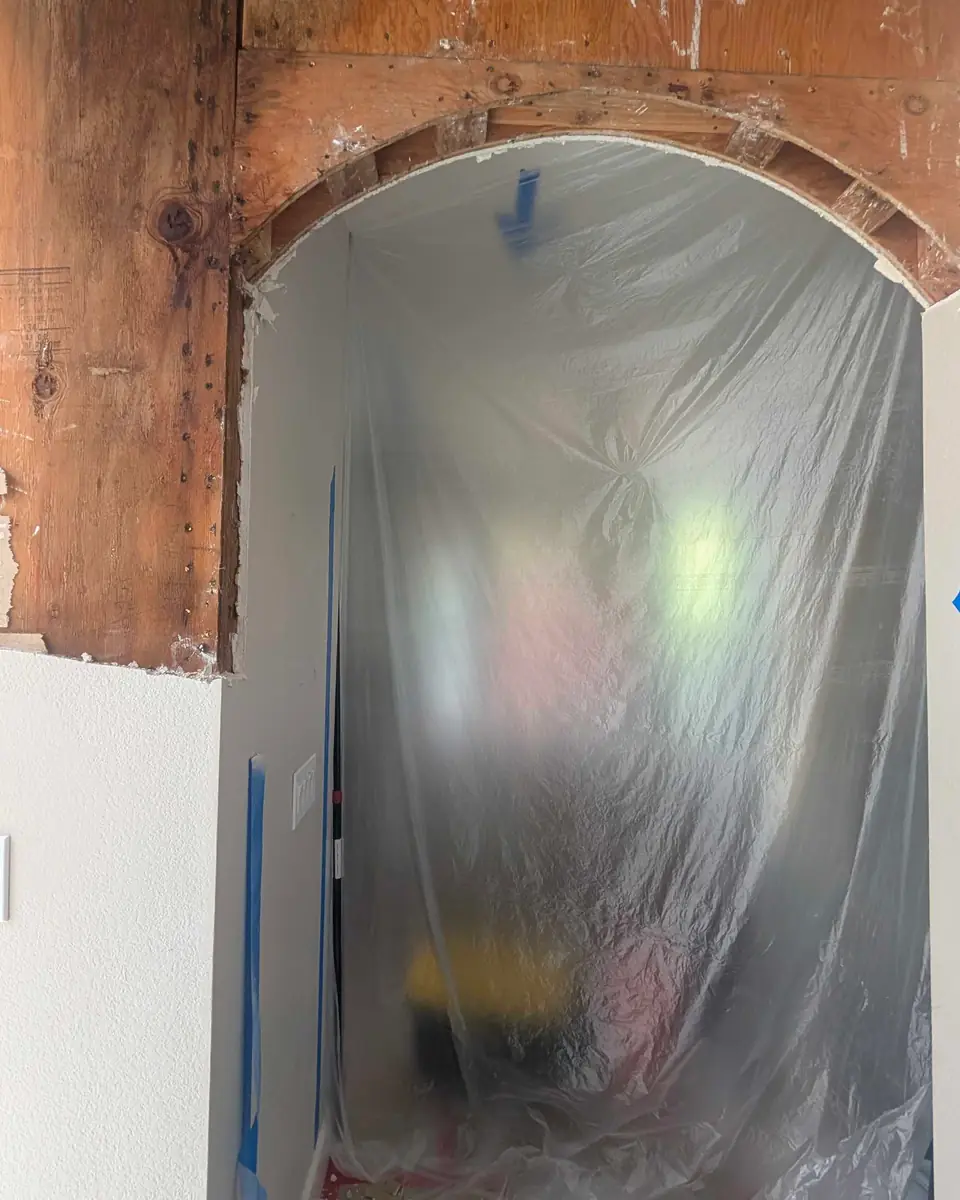
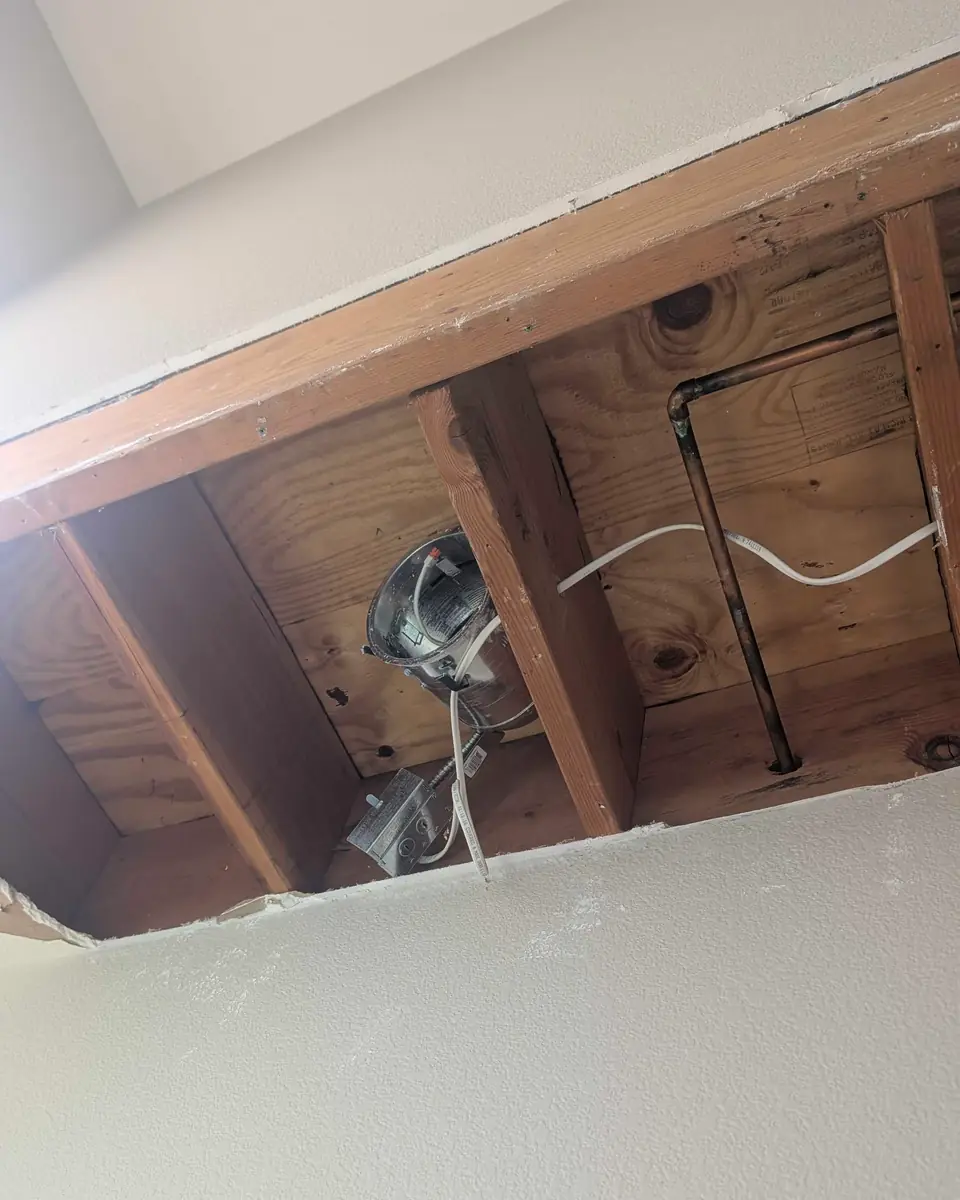
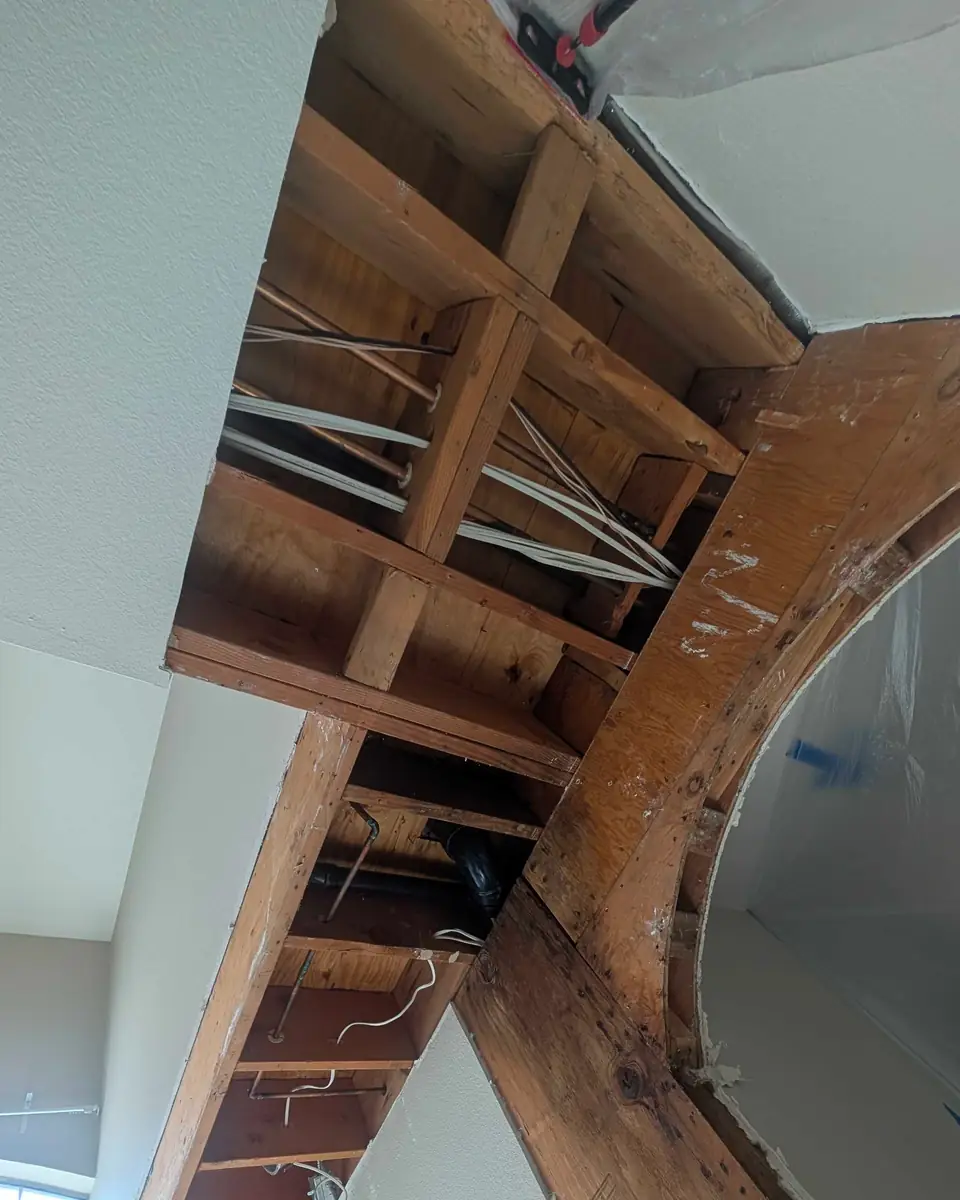
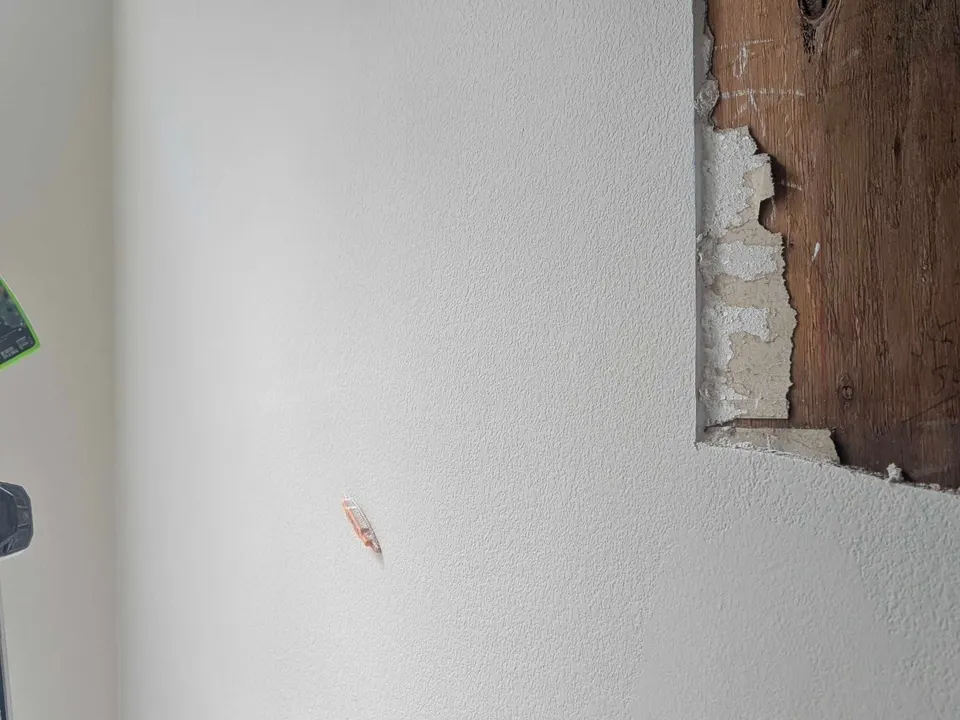
Drywall restoration & finish details

Opened framing, ceiling work areas and finished surfaces from a Steady Craftsman drywall restoration project.

What we found
Interior wall and ceiling finishes were opened to expose the framing around the work area.
What we did
The openings were closed, blended and textured to meet the adjoining finish.
Result
The finished ceiling and wall surfaces read as continuous details.
Interior arch opened to expose wood framing during drywall restoration
During: opened arch framing around the repair area.
Ceiling opened around framing during interior drywall restoration
During: ceiling opened around the affected framing.
Ceiling framing exposed above an interior room during restoration
During: ceiling framing visible before the surface was closed.
Interior wall with an opened section beside existing white drywall
Work area: opened wall beside the existing drywall.
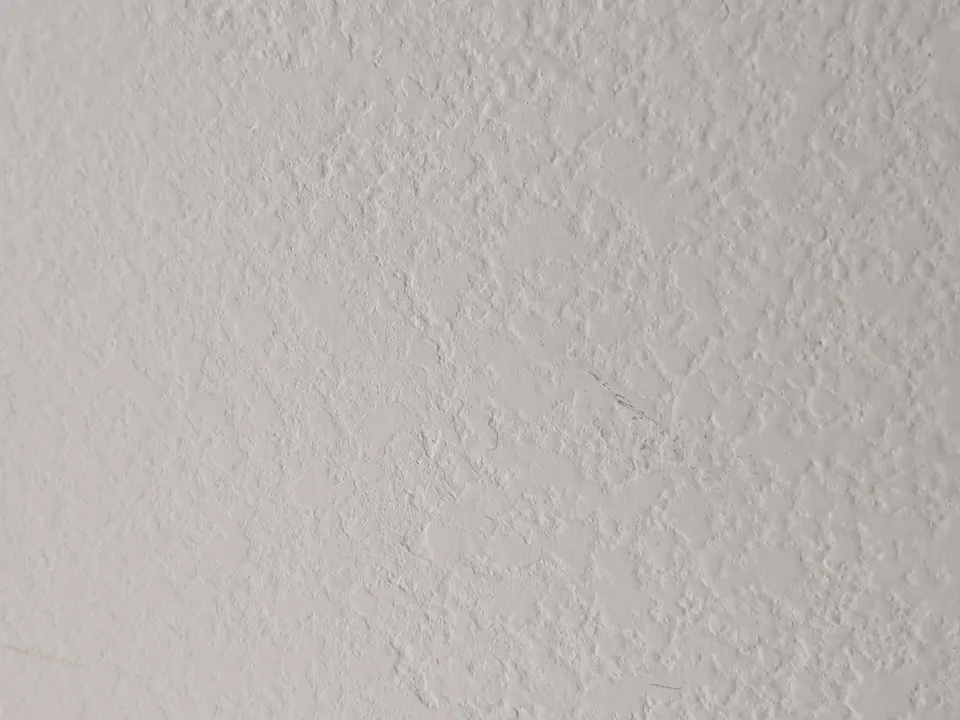
Close-up of light-colored interior wall texture
Detail: wall texture recorded during the repair visit.
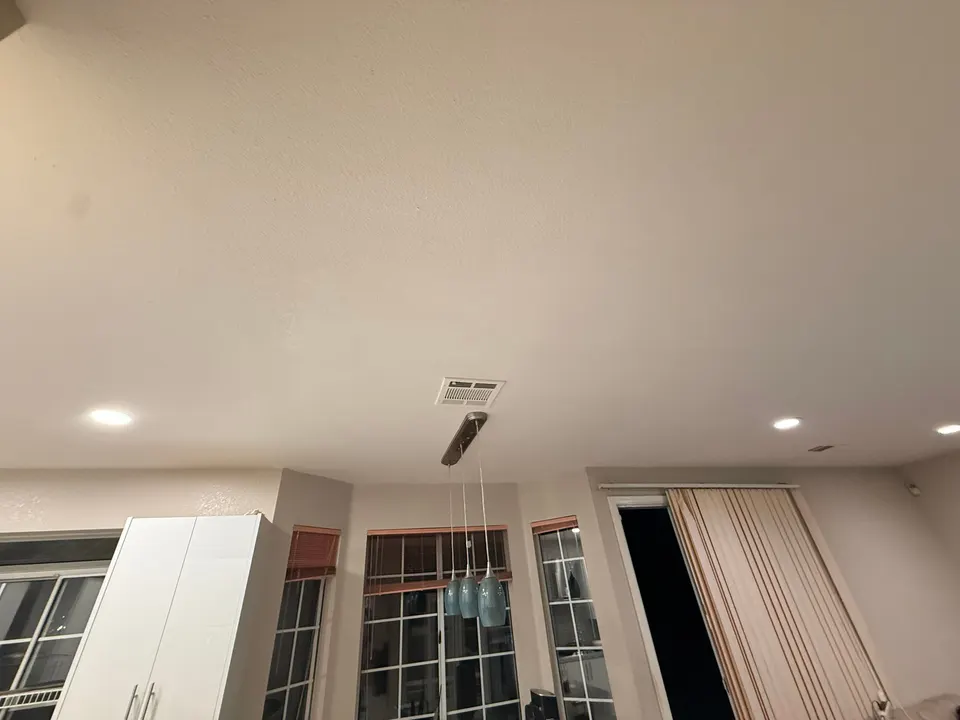
Finished light-colored ceiling above windows and curtains
Finish view: ceiling and adjoining interior surfaces.
Call (248) 309-8533