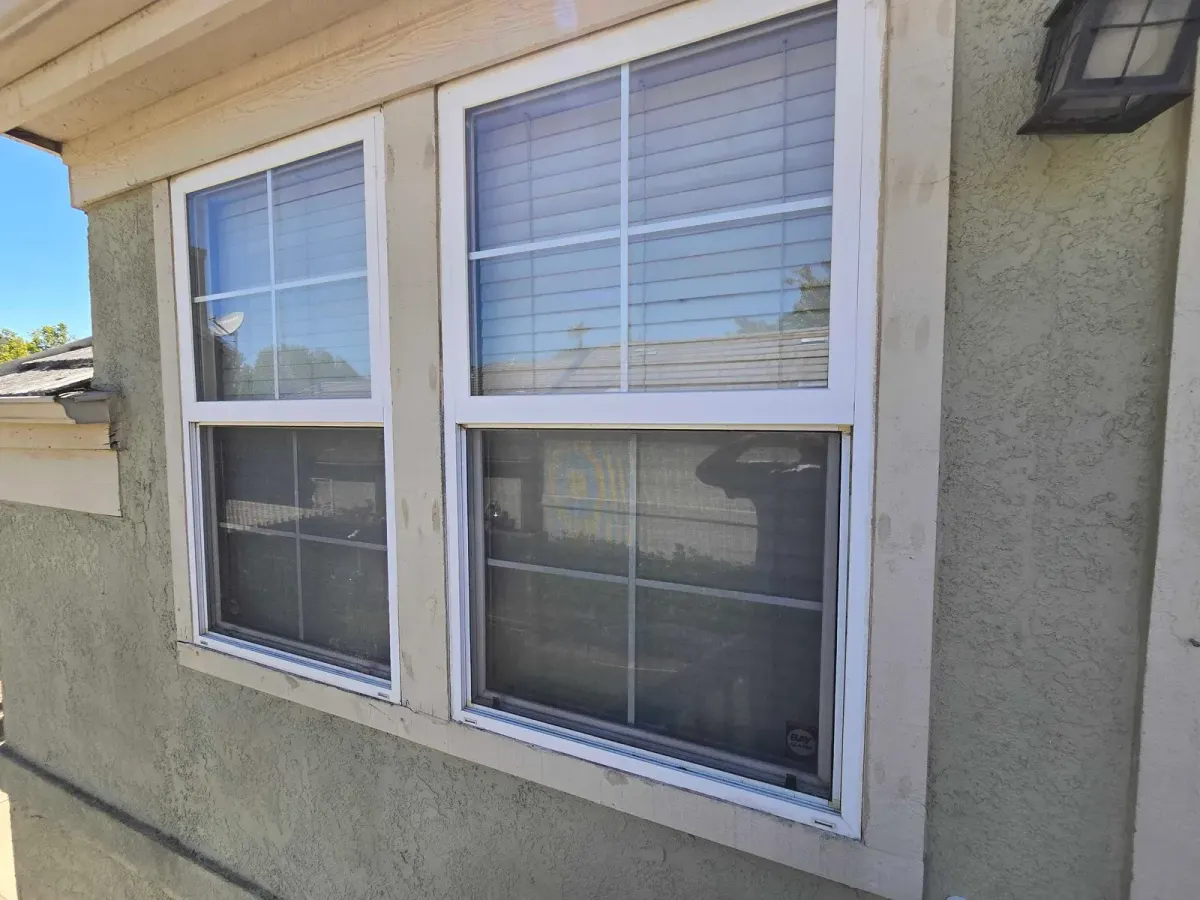
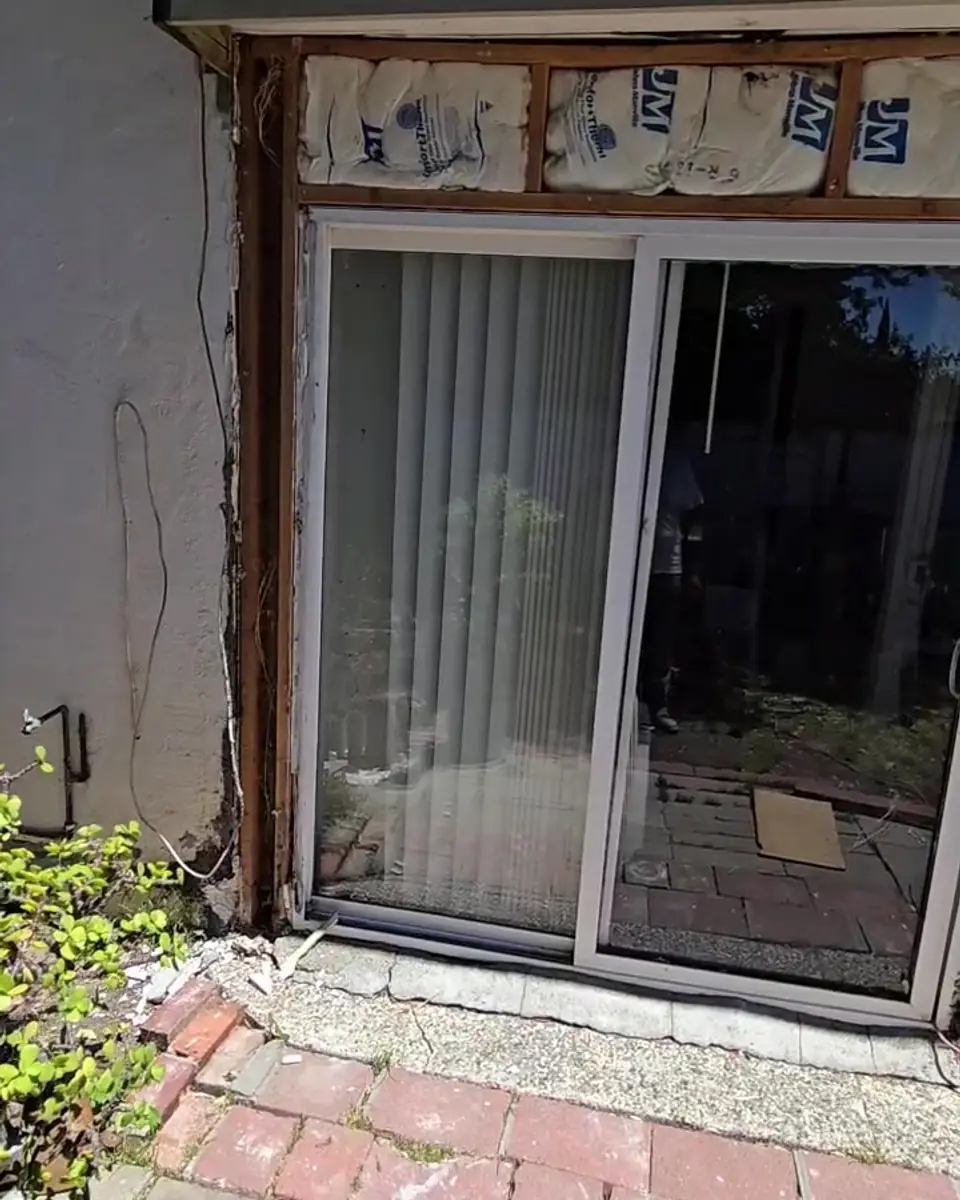
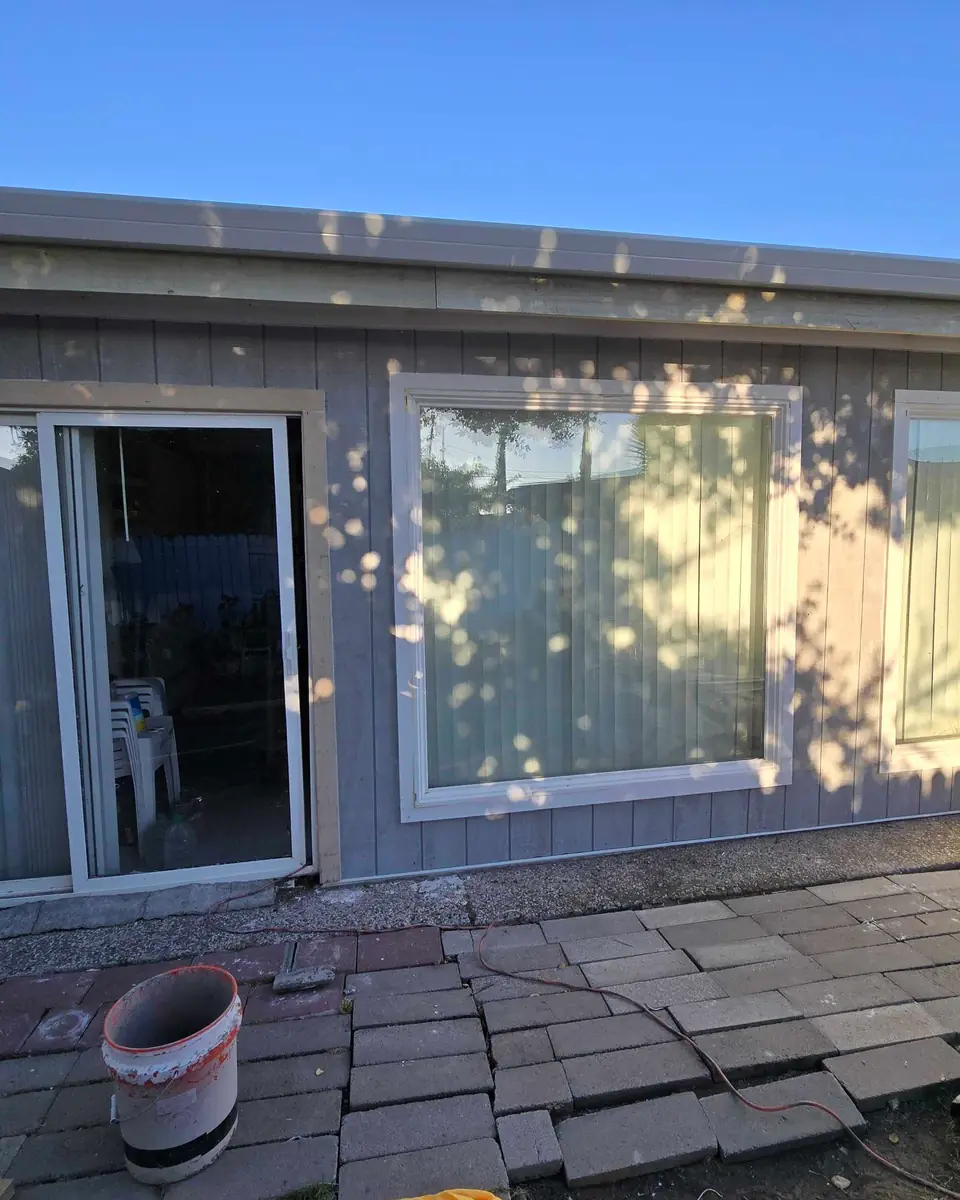
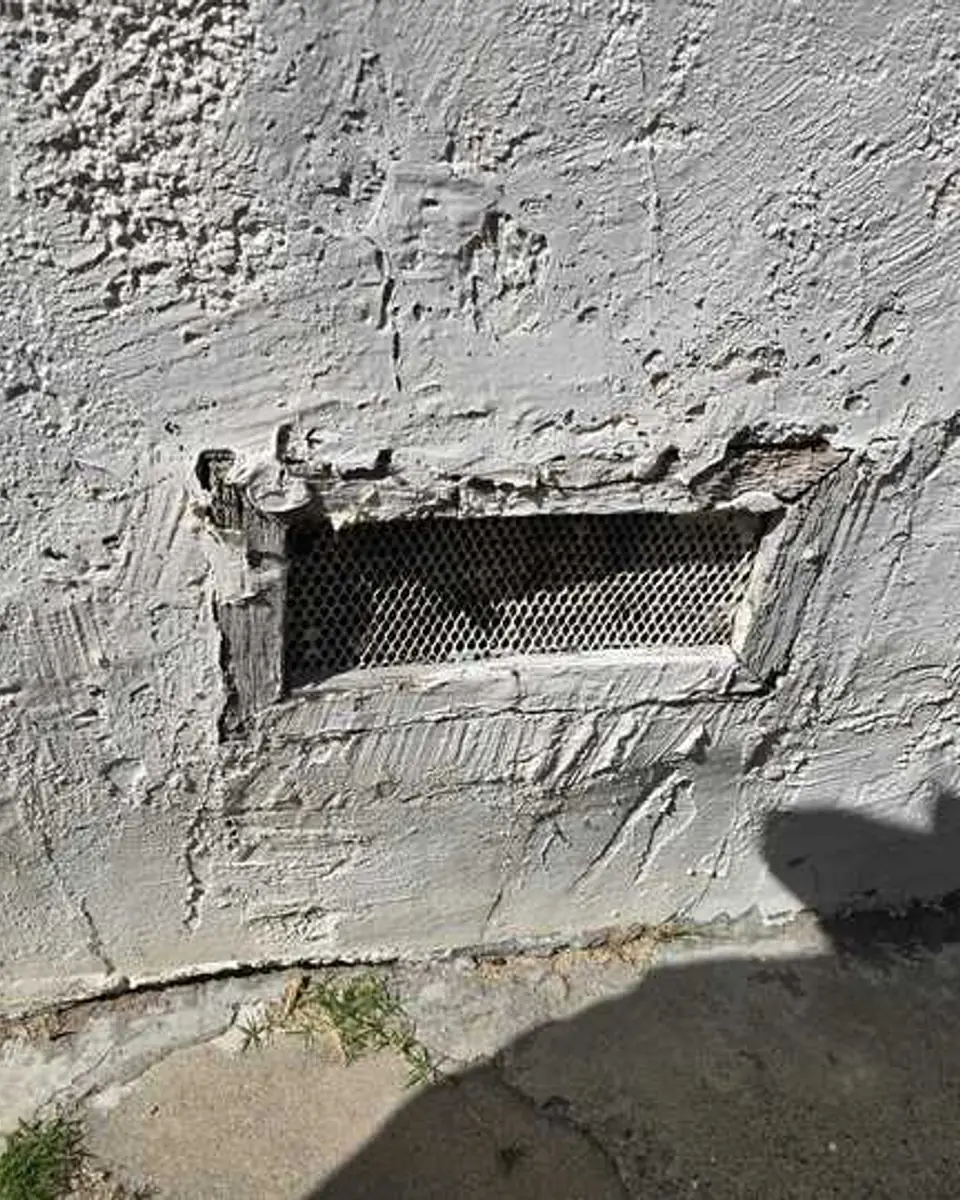
Source scope matters: a historic district does not describe every home, and regional exposure is not a property diagnosis. These references are links only.
USDA Forest Service, Forest Products Laboratory · Preserved local evidence packet · accessed 2026-09-19
Scope: Inspected previously retrieved primary PDF and extraction in qa/seo-depth/common/pdf/common-usda-biodeterioration; printed pages 14-1 to 14-8. General wood science, not a local damage survey.
Evidence: Decay fungi require available moisture; dry rot is a misleading name for decay that may subsequently dry. Mold, chemical staining and decay are different phenomena. Early decay can reduce strength before conspicuous material loss. Heartwood durability varies, sapwood is less resistant, and repairs must address the moisture condition. Ground-contact exposure and structural consequences affect material treatment choices.
National Park Service · Preserved local evidence packet · accessed 2026-09-19
Scope: Inspected primary PDF already retrieved into common/pdf/common-nps-moisture; printed pages 1-7 and maintenance passages. Historic-building guidance; mechanism-level use, not a diagnosis or current municipal code.
Evidence: Document moisture patterns and investigate sources before treatment. Roof runoff, failed gutters and flashing, irrigation, ground moisture, plumbing and condensation can wet materials; water can travel away from its entry point. Trapped moisture and indiscriminate impermeable coatings can worsen damage. Ice and freeze-thaw can physically damage materials; that mechanism is distinct from fungal decay.
National Park Service · Direct source checked · accessed 2026-09-19
Scope: Downloaded and parsed primary PDF in research/territory-services/pdf/ts-nps-porches; especially printed pages 5-11 and structural/code discussion. Preservation methods require property-specific assessment.
Evidence: Porch floors, bases, columns, roof drainage and foundations interact. Pots, mats and vegetation can retain moisture. Loose rails can reflect failed fasteners, split wood or decay; a floor finish cannot determine structural adequacy. Skilled localized wood inserts and selected epoxy repairs can retain fabric, but supporting members need structural assessment and safe temporary support. Shallow supports may move with frost or soil moisture. Deicing salt can corrode fasteners.
USDA Forest Service, Forest Products Laboratory · Direct source checked · accessed 2026-09-19
Scope: Directly downloaded primary PDF; inspected printed pages 16-1 to 16-12 and application/failure passages. General finish and moisture science; no product-specific warranty or service-life prediction.
Evidence: Sunlight degrades exposed wood surfaces and coatings; moisture changes drive swelling, shrinkage, checking and cupping. These processes are not themselves a diagnosis of rot. End grain readily absorbs water. Painting wet or degraded wood invites failure. Finishes slow moisture movement but do not replace drainage. Wood species, existing coating, surface preparation and application conditions affect finish selection and performance.
United States Environmental Protection Agency · Direct source checked · accessed 2026-09-19
Scope: Primary consumer guidance fetched September 19, 2026; pre-1978 housing and paint-disturbing renovation. cannot determine any property's paint content or any provider's certification.
Evidence: Homes built before 1978 are more likely to contain lead-based paint. Sanding, cutting and other paint-disturbing renovation can release hazardous dust and chips. EPA recommends hiring a lead-safe certified contractor trained in lead-safe work practices for such projects.
NOAA National Weather Service, Detroit/Pontiac · Direct source checked · accessed 2026-09-19
Scope: Primary table fetched directly; page says updated May 2021 using NCEI 1991–2020 normals for Detroit, Flint and Saginaw. Detroit is regional context, NOT a Farmington Hills station or parcel-level freeze-thaw calculation.
Evidence: The monthly tables support cold winters, seasonal snowfall, warmer summers and precipitation in every season in southeast Michigan. They do cannot determine a local footing depth, number of freeze-thaw cycles, decay prevalence, or the condition of a particular property.
University of Minnesota Extension · Indexed excerpt only — limited evidence · accessed 2026-09-19
Scope: Search-index passage inspected; direct web fetch returned HTTP 403. General cold-climate building science, not Michigan-specific incidence or an instruction to undertake roof work.
Evidence: Uneven roof-surface temperatures, snow cover and heat loss can melt snow above colder eaves. Refreezing can obstruct drainage and back water into the building. This supports referral to a building-envelope assessment rather than merely replacing stained fascia; no homeowner roof access or ice-removal method is prescribed.