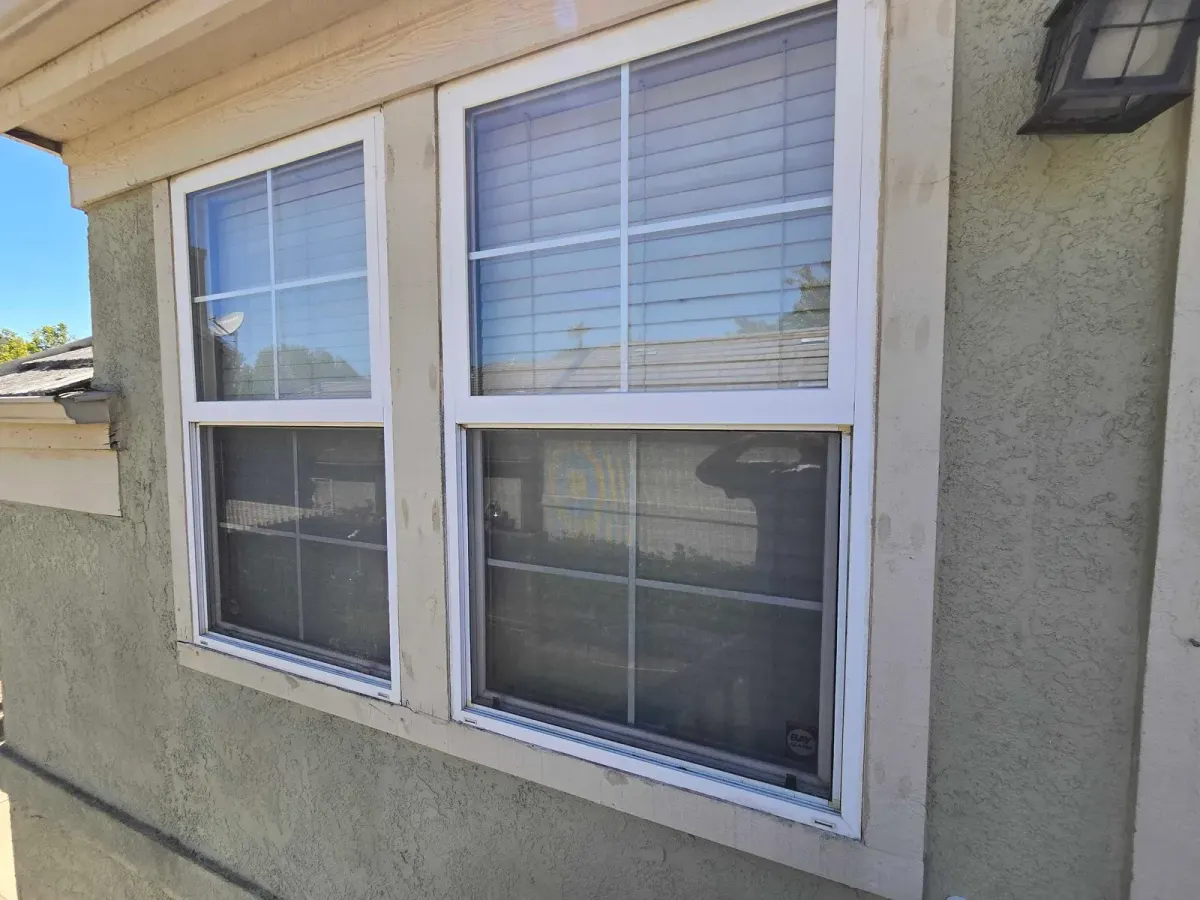
Fog and the marine layer can keep exterior wood damp for long stretches around Daly City, San Francisco and Marin. Coastal salt, wind-driven rain and shaded elevations add stress at siding joints, bay-window sills, fascia, stairs and decks. For Fascia & Trim Repair in San Francisco, We look at peeling paint, soft fascia ends, open trim joints, siding transitions and the roof or irrigation path feeding the damage. The repair follows Find → Open → Rebuild → Protect: trace the moisture, expose the full edge of decay, rebuild to sound wood and seal the finished detail.
Call (650) 336-2322Talk to Erwin Borror about dry rot & exterior trim in San Francisco.
Steady Craftsman portfolio exampleSteady Craftsman project example
When to take a closer look
Visible signs worth a closer look.
You don’t have to diagnose the whole repair. Start with the signs you can see.
01Finish lifting at a joint or exposed edge
02Crumbling material beside a window, door or eave
03A stain returning after a previous finish repair
What a scope review can cover
Identify the affected opening and visible material
Distinguish finish failure from deteriorated wood
Record any known moisture source without diagnosing hidden damage
Review access, replacement profiles and adjoining finishes
Photos & details to prepare
Take a whole-opening view and a safe detail photo. Note returning stains, known leaks and access restrictions, and keep any proposed exploratory opening separate from permission merely to inspect.
A note on safety & scope
Photographs cannot establish hidden damage. Structural, roofing, hazardous-material or other specialist work needs an appropriate professional and scope review. Do not open or probe an unsafe area yourself.
Sourced technical guidance
San Francisco territory exterior wood: preserve sound detail without concealing decay
When a shaped sill, cornice or porch detail deteriorates, preserving the appearance and establishing a sound repair are separate but connected decisions. This territory name is a navigation label: its full municipalities are Colma, Daly City, Fairfax, Larkspur, Mill Valley, Piedmont, Ross and San Anselmo. San Francisco city itself remains edge-review in the effective file. This guide makes no claim about the age, material or repair needs of every home in that group.
Record the profile and the damage together from a safe position. Note whether deterioration is concentrated at an exposed end, the underside of a ledge, a painted joint or beneath roof drainage. Undamaged neighboring details can help a professional understand the intended shape without a homeowner removing a examples.
Recurring blisters, an open paint line and dark staining may indicate wetting, but they do not identify the entry point. Photograph the wall above and the ground below where safely visible. Water may travel behind a decorative feature before appearing at its lowest point.
Distinguish loss of finish from visibly missing wood, while leaving the actual diagnosis open. Some discoloration is non-decay staining; early fungal damage may not look dramatic. Do not use a knife or screwdriver to judge whether an apparently historic piece is salvageable.
Decorative form does not settle structural function. A bracket may be applied ornament or part of a supporting assembly; a column's outer shell may conceal a different support. The repair assessment should identify that role and the condition of the receiving structure before removal or patching.
Loose high-level trim, a sagging projection or separation at a support creates a falling-object or collapse concern. Keep the area below clear. Any temporary support, opening-up or retained-fragment decision must be planned by an appropriate professional, not improvised to save a decorative piece.
Where the component is significant and enough sound material remains, a carefully fitted wood insert can retain original fabric. An exterior epoxy system may suit certain localized painted repairs, but material compatibility, moisture control and skilled execution are essential. Cosmetic fillers cannot be presumed to restore load capacity.
Where replacement is necessary, record the existing dimensions, joinery and finish before professional removal. Matching a profile does not require copying a detail that traps water; the design should reconcile character with drainage, protected end grain and suitable attachment.
Investigate the feeding roof, gutter or wall defect and allow appropriate drying before final finish work. Check current historic or design-review requirements where they apply. NPS preservation guidance is a method for retaining useful fabric, does not demonstrate that a particular property is designated or that a material is locally approved.
Retaining detail may involve careful disassembly, custom milling and phased work rather than standard stock replacement. Compare what each proposal preserves, replaces and corrects, not only its quantity of new wood.
Safe access to upper features, protection of occupants or passersby and restricted working space can shape the scope where those conditions exist. None should be assumed solely from a municipality or the territory label.
Lead-safe preparation, concealed damage assessment, structural design and applicable preservation review are distinct possible requirements. An honest proposal names those dependencies rather than presenting a profile match as a complete repair price.
Assess the actual balance of wetting, shade and drying at the feature. A windward joint and a sheltered inland facade may behave differently even within this territory. Fog in a regional forecast cannot determine liquid wetting or decay at every address.
A finishing window needs both appropriate weather and suitable substrate conditions. Delaying paint until wood is ready is different from leaving an unsafe feature unattended. Fungal decay requires moisture; neither a cool season nor a warm spell by itself establishes the cause.
Does preserving an old detail mean keeping every damaged piece?+
No. Preservation begins with an assessment of significance, remaining sound material and safety. Localized repair may retain useful fabric, while extensive or structurally consequential damage can require replacement or a designed repair. Appearance should not override a safe support system.
Can a molded resin patch reproduce a missing profile?+
A suitable repair system may reproduce selected painted details, but its limitations, bond to sound material and moisture exposure must be evaluated. Recreating the shape is not the same as restoring a member's structural function. The moisture source still needs correction.
Why not seal every joint in a decorative assembly?+
Some gaps serve drainage or accommodate movement. An indiscriminate seal can retain water behind the feature. The professional detail should identify how water is shed and how the assembly dries, rather than treating every visible opening as an identical defect.
Does this page establish service throughout San Francisco city?+
No. The effective candidate file places the city in edge-review for this territory, not its full list. The title identifies the territory, and this educational page cannot accept a real request or establish operational availability.
Source scope matters: a historic district does not describe every home, and regional exposure is not a property diagnosis. These references are links only.
Scope: Inspected previously retrieved primary PDF and extraction in qa/seo-depth/common/pdf/common-usda-biodeterioration; printed pages 14-1 to 14-8. General wood science, not a local damage survey.
Evidence: Decay fungi require available moisture; dry rot is a misleading name for decay that may subsequently dry. Mold, chemical staining and decay are different phenomena. Early decay can reduce strength before conspicuous material loss. Heartwood durability varies, sapwood is less resistant, and repairs must address the moisture condition. Ground-contact exposure and structural consequences affect material treatment choices.
National Park Service · Preserved local evidence packet · accessed 2026-09-19
Scope: Inspected primary PDF already retrieved into common/pdf/common-nps-moisture; printed pages 1-7 and maintenance passages. Historic-building guidance; mechanism-level use, not a diagnosis or current municipal code.
Evidence: Document moisture patterns and investigate sources before treatment. Roof runoff, failed gutters and flashing, irrigation, ground moisture, plumbing and condensation can wet materials; water can travel away from its entry point. Trapped moisture and indiscriminate impermeable coatings can worsen damage. Ice and freeze-thaw can physically damage materials; that mechanism is distinct from fungal decay.
National Park Service · Direct source checked · accessed 2026-09-19
Scope: Downloaded and parsed primary PDF in research/territory-services/pdf/ts-nps-porches; especially printed pages 5-11 and structural/code discussion. Preservation methods require property-specific assessment.
Evidence: Porch floors, bases, columns, roof drainage and foundations interact. Pots, mats and vegetation can retain moisture. Loose rails can reflect failed fasteners, split wood or decay; a floor finish cannot determine structural adequacy. Skilled localized wood inserts and selected epoxy repairs can retain fabric, but supporting members need structural assessment and safe temporary support. Shallow supports may move with frost or soil moisture. Deicing salt can corrode fasteners.
Scope: Directly downloaded primary PDF; inspected printed pages 16-1 to 16-12 and application/failure passages. General finish and moisture science; no product-specific warranty or service-life prediction.
Evidence: Sunlight degrades exposed wood surfaces and coatings; moisture changes drive swelling, shrinkage, checking and cupping. These processes are not themselves a diagnosis of rot. End grain readily absorbs water. Painting wet or degraded wood invites failure. Finishes slow moisture movement but do not replace drainage. Wood species, existing coating, surface preparation and application conditions affect finish selection and performance.
United States Environmental Protection Agency · Direct source checked · accessed 2026-09-19
Scope: Primary consumer guidance fetched September 19, 2026; pre-1978 housing and paint-disturbing renovation. cannot determine any property's paint content or any provider's certification.
Evidence: Homes built before 1978 are more likely to contain lead-based paint. Sanding, cutting and other paint-disturbing renovation can release hazardous dust and chips. EPA recommends hiring a lead-safe certified contractor trained in lead-safe work practices for such projects.
NOAA National Weather Service, San Francisco Bay Area · Direct source checked · accessed 2026-09-19
Scope: Directly inspected 1:12 PM PDT September 19, 2026 bulletin. A dated example of coastal/inland contrast, NOT a climate normal or a forecast that remains current after retrieval; rolling URL will change.
Evidence: The bulletin distinguishes cloudy coast, warmer interior, variable marine-layer penetration, windward-slope drizzle potential and Monterey Bay conditions. Guides use only the need to check exposure and current conditions at the actual site; no bulletin temperature or future event is repeated as evergreen advice.
City-specific repair decisions
Use these city guides to review local housing context, moisture paths and the service topics available for the property.
Visible damage versus material revealed after agreed opening
Height, safe access and protection of adjacent surfaces
Matching trim profiles, moisture-source work and specialist requirements
A real estimate follows an on-site scope review; call to arrange one. No prices or turnaround guarantees are published here.
From a question to an agreed scope.
Describe the visible issue, approximate dimensions, and safe access.
Confirm the address, trade requirements, and craftsman availability; review permits or specialist needs.
Assess the affected area and discuss repair options, including what may remain unknown.
Agree on materials, written scope, and scheduling before work starts.
Cities we serve around San Francisco.
Dry-rot and wood repair across Colma, Daly City, Fairfax, Larkspur, Mill Valley, Piedmont, Ross, San Anselmo. Also by property review: Alameda, Albany, Belvedere, Berkeley, Brisbane, Corte Madera, Emeryville, Novato, Oakland, Pacifica, San Bruno, San Francisco, San Leandro, San Rafael, Sausalito, South San Francisco, Tiburon.
Peninsula · contained map references
These are contained geometry references, not documented additions to Erwin’s operative assignment.
Project examples do not establish your property's condition or a local project address. Confirm coverage, service fit and availability for your address.
A useful starting point
Your repair questions.
What should I show you before a dry rot & exterior trim assessment?+
Take a whole-opening view and a safe detail photo. Note returning stains, known leaks and access restrictions, and keep any proposed exploratory opening separate from permission merely to inspect.
How is the repair scope decided?+
We trace the visible condition and water path, open the affected area as needed, and identify what can be repaired versus replaced before the scope is agreed.
Talk it through with Erwin Borror. Describe what you are seeing, where the property is and when it started; the scope is confirmed on site, not from a photo.
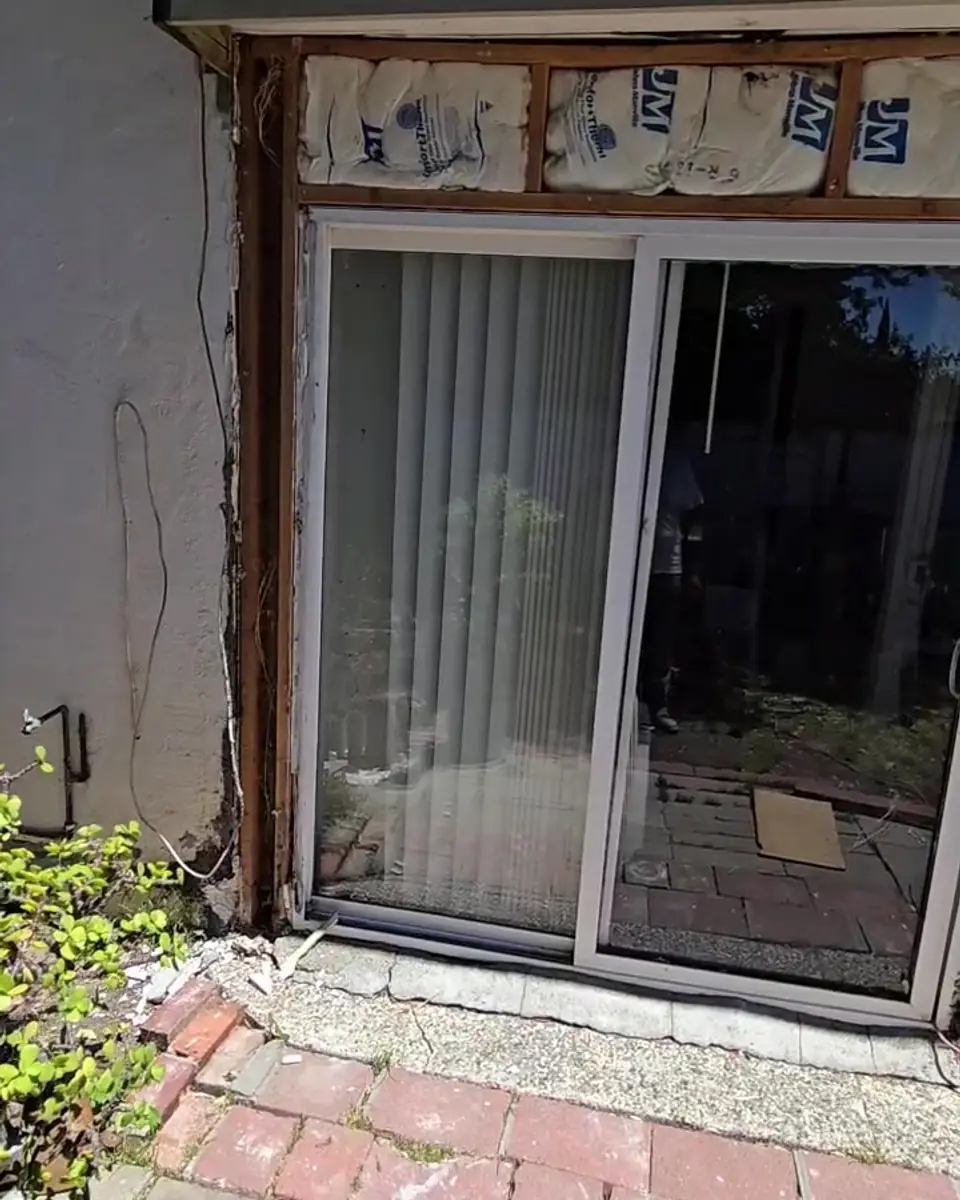
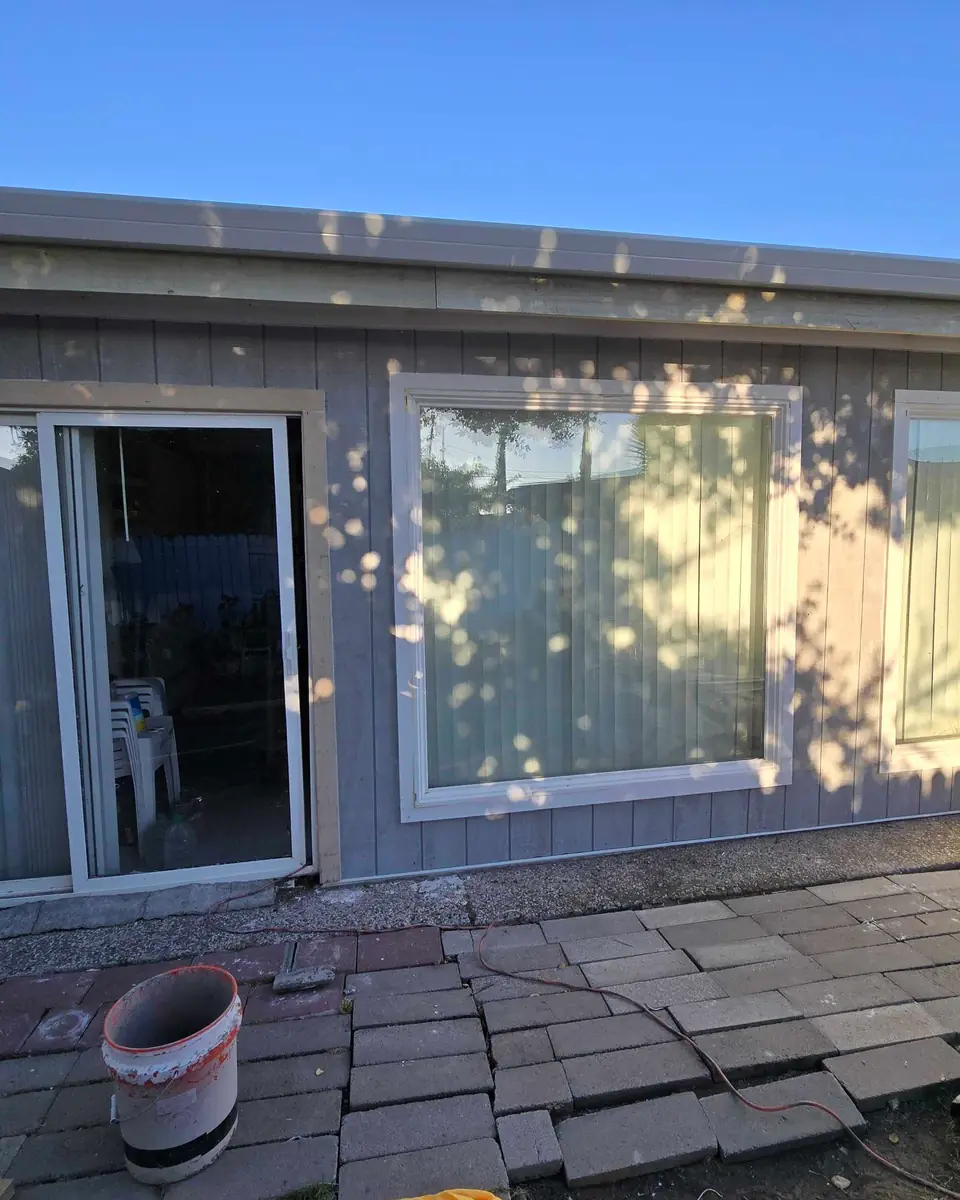
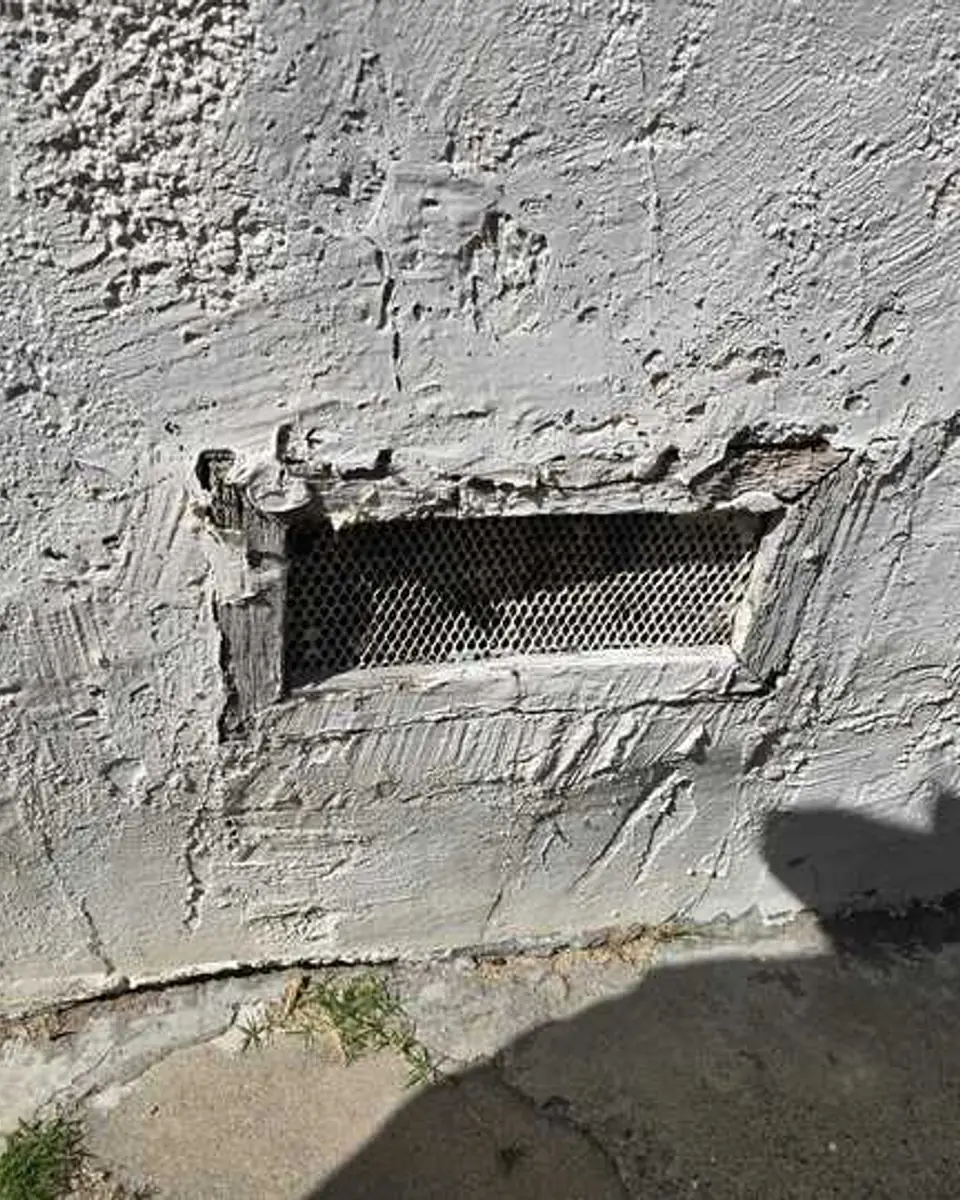
Opened wall framing, vent damage and completed exterior finishes from Steady Craftsman projects.
What we found
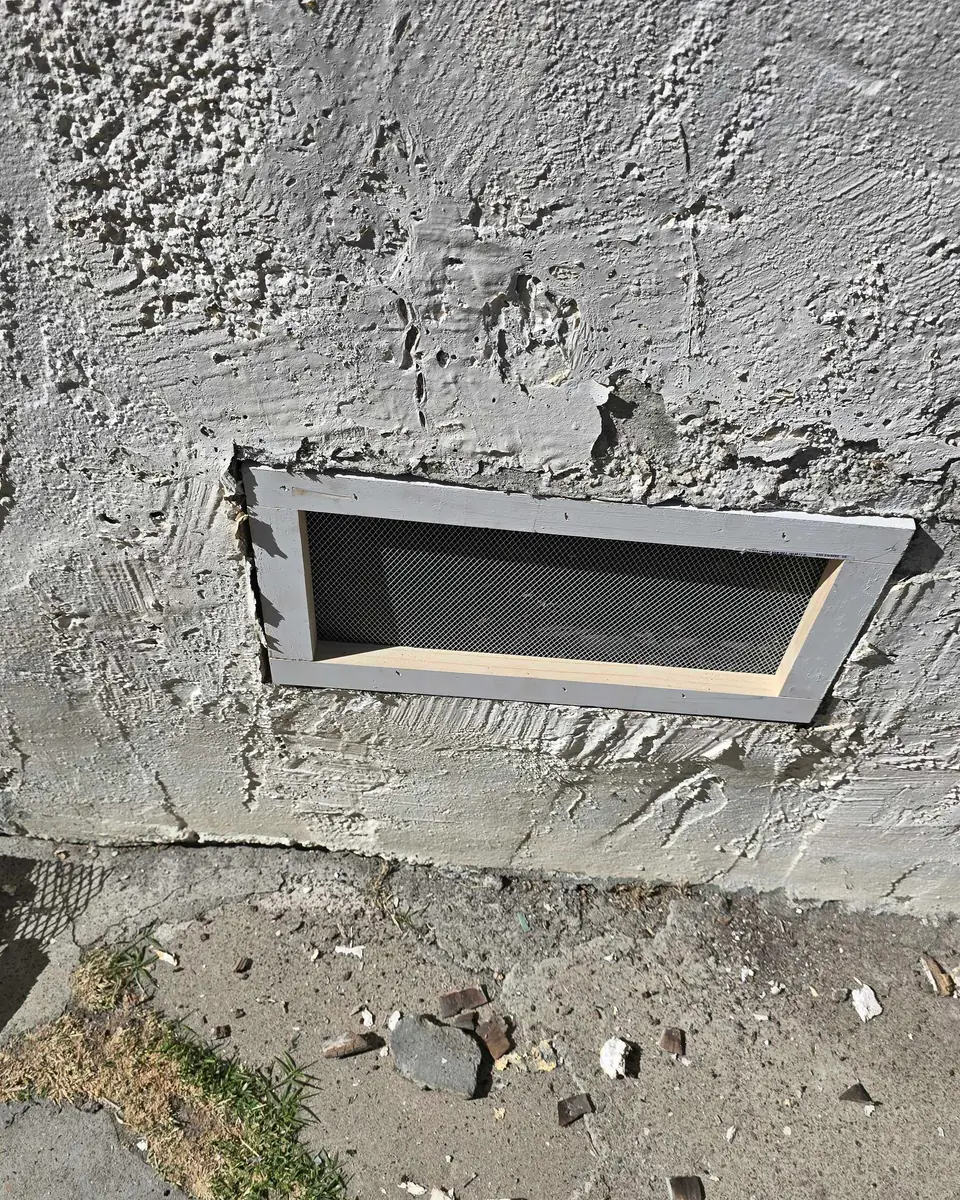
Exterior wall damage appeared at the vent area and along the bottom plate beside a sliding door.
What we did
The affected sections were opened to sound material, rebuilt and closed with matching wall details.
Result
The vent surround was repaired, and another elevation received new panel siding and trim.
During: wall opened beside the slider to expose the framing.After: new panel siding and trim on the repaired elevation.Before: damaged wall finish around the vent opening.After: repaired wall surface and finished vent opening.
Shared Steady Craftsman examples
See a porch-railing repair example
See visible wood deterioration, a replacement post during work and a silent finish walkthrough. Project locations are unnamed.