Fresno-area heat and ultraviolet exposure can crack paint and dry out sealant on fascia, trim, patio covers, pergolas and fence boards. Those surface failures become entry points when winter rain or tule fog arrives. For Fascia & Trim Repair in Fresno, We look at peeling paint, soft fascia ends, open trim joints, siding transitions and the roof or irrigation path feeding the damage. The repair follows Find → Open → Rebuild → Protect: trace the moisture, expose the full edge of decay, rebuild to sound wood and seal the finished detail.
Call (650) 336-2322Talk to Henry Sr about dry rot & exterior trim in Fresno.
Steady Craftsman portfolio exampleSteady Craftsman project example
When to take a closer look
Visible signs worth a closer look.
You don’t have to diagnose the whole repair. Start with the signs you can see.
01Finish lifting at a joint or exposed edge
02Crumbling material beside a window, door or eave
03A stain returning after a previous finish repair
What a scope review can cover
Identify the affected opening and visible material
Distinguish finish failure from deteriorated wood
Record any known moisture source without diagnosing hidden damage
Review access, replacement profiles and adjoining finishes
Photos & details to prepare
Take an overview and detail from safe ground. Note any known leak, previous repair or returning stain, and distinguish the exterior request from separate indoor floor symptoms.
A note on safety & scope
Photographs cannot establish hidden damage. Structural, roofing, hazardous-material or other specialist work needs an appropriate professional and scope review. Do not open or probe an unsafe area yourself.
Sourced technical guidance
Fresno trim deterioration: distinguish sun-weathered surfaces from moisture-driven decay
Hot, dry weather does not make every damaged board dry rot, and it does not rule out decay in a repeatedly wetted joint. Fresno's authorized owner-confirmed operational core is Fresno, Clovis, Sanger, Fowler, Selma and Kerman. It is not all of Fresno County or a guaranteed 35-minute travel area. This educational guide discusses educational repair planning, not an owner's confirmed services.
From a safe ground-level position, compare exposed upper trim with lower ends near irrigation, paving or planting. Faded coatings and surface checks can reflect weathering; localized material loss, open joints and recurring wet stains require further assessment. Do not scrape or probe to decide which mechanism is present.
Record when the wood actually receives water. A mark that follows watering during dry weather poses a different question from fascia staining after winter rain. An eave or wall can also conceal the source, so include an accessible wide view and the date rather than only a close photograph.
Brown or gray color is not a reliable repair boundary. USDA distinguishes staining and surface weathering from fungal decay, and decay can reduce strength before obvious crumbling. A dry surface on a hot day does not reveal the board's hidden condition.
Identify whether the affected part is finish trim or a supporting rafter, post, beam or connection. Where water has passed behind cladding, the investigation may need to include wall framing and the fastening substrate. A small visible opening can therefore lead to a broader scope without proving that every nearby board is damaged.
Visible sag, splitting at a support, detached overhead trim or a failing column base requires keeping the area clear and obtaining qualified review. Do not test the member with a tool or by leaning on it; remaining structural capacity is not a homeowner observation.
Correct the identified water route before completing the wood and finish repair. That could involve a roof-drainage junction, splashback or a persistently wetted landscape interface. The actual source must be established rather than assuming irrigation is responsible at every Fresno-area home.
Retain suitable sound material and use a localized insert or compatible exterior repair system only where the extent and function allow it. Extensive decay, inadequate fastening or structural damage may require replacement or a designed repair. A coating or filler cannot replace lost structural wood by default.
Specify replacement material, end-grain protection and finish as a coordinated system. Sun-degraded surfaces may require professional preparation before a new coating can adhere. Wood treatment and durable heartwood can improve suitability for exposure, but neither eliminates drainage and maintenance needs.
Separate finish preparation from decay repair. Broad sun-weathered paint failure may require considerable surface work even where wood is sound; localized rot may require more investigation despite a small visible area.
Access to fascia, matching a trim profile, correcting a roof or wall detail and restoring adjacent finishes change the scope. Ask how concealed damage is documented and authorized rather than treating a photo estimate as a final boundary.
Lead-safe practices for potentially affected pre-1978 coatings, structural review and permits where applicable are distinct variables. The planning evidence supplies no reliable local price, travel guarantee or project duration.
The inspected NWS Fresno memorandum describes hot dry summers and cooler-season rain and fog. It is historical qualitative context, not current normals for every core city. Plan separate checks for rain-related entry and water that reaches wood during otherwise dry periods.
Finishing needs both suitable substrate moisture and acceptable surface and air conditions for the selected product. Strong sun can make a dry-looking workday unsuitable for a coating. Heat and freeze-thaw are not fungal rot mechanisms by themselves; decay requires available moisture.
Can Fresno summer heat cause dry rot without water?+
No. Sun and heat can contribute to finish deterioration and surface weathering, but fungal decay requires moisture. A board may be dry when examined after earlier wetting and decay. The repair assessment must distinguish those processes rather than infer a cause from the season.
Why would lower trim stay damaged through a dry period?+
It may still be receiving water from irrigation, splashback, a concealed leak or another source. That is a question to investigate, not a diagnosis. Record the timing and visible surroundings without probing or removing the board.
Is new paint enough when the wood is checked?+
Only if the wood and existing finish are suitable after assessment and preparation. Checks can occur through moisture-related movement and weathering, while hidden decay is a separate concern. Painting cannot establish soundness or seal every possible water path.
Which nearby places are not promoted to the Fresno core?+
Madera, Kingsburg, Reedley, Parlier, Dinuba and Orange Cove remain review-edge only. Visalia, Tulare and Hanford are excluded. The six-city core is owner-confirmed; call to make a request.
Source scope matters: a historic district does not describe every home, and regional exposure is not a property diagnosis. These references are links only.
Scope: Inspected previously retrieved primary PDF and extraction in qa/seo-depth/common/pdf/common-usda-biodeterioration; printed pages 14-1 to 14-8. General wood science, not a local damage survey.
Evidence: Decay fungi require available moisture; dry rot is a misleading name for decay that may subsequently dry. Mold, chemical staining and decay are different phenomena. Early decay can reduce strength before conspicuous material loss. Heartwood durability varies, sapwood is less resistant, and repairs must address the moisture condition. Ground-contact exposure and structural consequences affect material treatment choices.
National Park Service · Preserved local evidence packet · accessed 2026-09-19
Scope: Inspected primary PDF already retrieved into common/pdf/common-nps-moisture; printed pages 1-7 and maintenance passages. Historic-building guidance; mechanism-level use, not a diagnosis or current municipal code.
Evidence: Document moisture patterns and investigate sources before treatment. Roof runoff, failed gutters and flashing, irrigation, ground moisture, plumbing and condensation can wet materials; water can travel away from its entry point. Trapped moisture and indiscriminate impermeable coatings can worsen damage. Ice and freeze-thaw can physically damage materials; that mechanism is distinct from fungal decay.
National Park Service · Direct source checked · accessed 2026-09-19
Scope: Downloaded and parsed primary PDF in research/territory-services/pdf/ts-nps-porches; especially printed pages 5-11 and structural/code discussion. Preservation methods require property-specific assessment.
Evidence: Porch floors, bases, columns, roof drainage and foundations interact. Pots, mats and vegetation can retain moisture. Loose rails can reflect failed fasteners, split wood or decay; a floor finish cannot determine structural adequacy. Skilled localized wood inserts and selected epoxy repairs can retain fabric, but supporting members need structural assessment and safe temporary support. Shallow supports may move with frost or soil moisture. Deicing salt can corrode fasteners.
Scope: Directly downloaded primary PDF; inspected printed pages 16-1 to 16-12 and application/failure passages. General finish and moisture science; no product-specific warranty or service-life prediction.
Evidence: Sunlight degrades exposed wood surfaces and coatings; moisture changes drive swelling, shrinkage, checking and cupping. These processes are not themselves a diagnosis of rot. End grain readily absorbs water. Painting wet or degraded wood invites failure. Finishes slow moisture movement but do not replace drainage. Wood species, existing coating, surface preparation and application conditions affect finish selection and performance.
United States Environmental Protection Agency · Direct source checked · accessed 2026-09-19
Scope: Primary consumer guidance fetched September 19, 2026; pre-1978 housing and paint-disturbing renovation. cannot determine any property's paint content or any provider's certification.
Evidence: Homes built before 1978 are more likely to contain lead-based paint. Sanding, cutting and other paint-disturbing renovation can release hazardous dust and chips. EPA recommends hiring a lead-safe certified contractor trained in lead-safe work practices for such projects.
NOAA National Weather Service, Hanford / Western Region · Direct source checked · accessed 2026-09-19
Scope: Primary historical memorandum, directly downloaded; climate overview on printed pages 5-6, PDF pages 9-10. Qualitative Fresno seasonal context only, not present-day normals for each proposed municipality or a workday forecast.
Evidence: Fresno's overview describes hot, sunny, dry summers, a cooler-season precipitation regime and cool-season tule fog. It distinguishes mountain influences on the valley climate. Guides omit the memorandum's old numerical normals and do not extrapolate a house's moisture exposure from the regional description.
City-specific repair decisions
Use these city guides to review local housing context, moisture paths and the service topics available for the property.
Have the property address, safe photos and the visible condition ready for the assessment.
A useful starting point
Your repair questions.
What should I show you before a dry rot & exterior trim assessment?+
Take an overview and detail from safe ground. Note any known leak, previous repair or returning stain, and distinguish the exterior request from separate indoor floor symptoms.
How is the repair scope decided?+
We trace the visible condition and water path, open the affected area as needed, and identify what can be repaired versus replaced before the scope is agreed.
Talk it through with Henry Sr. Describe what you are seeing, where the property is and when it started; the scope is confirmed on site, not from a photo.
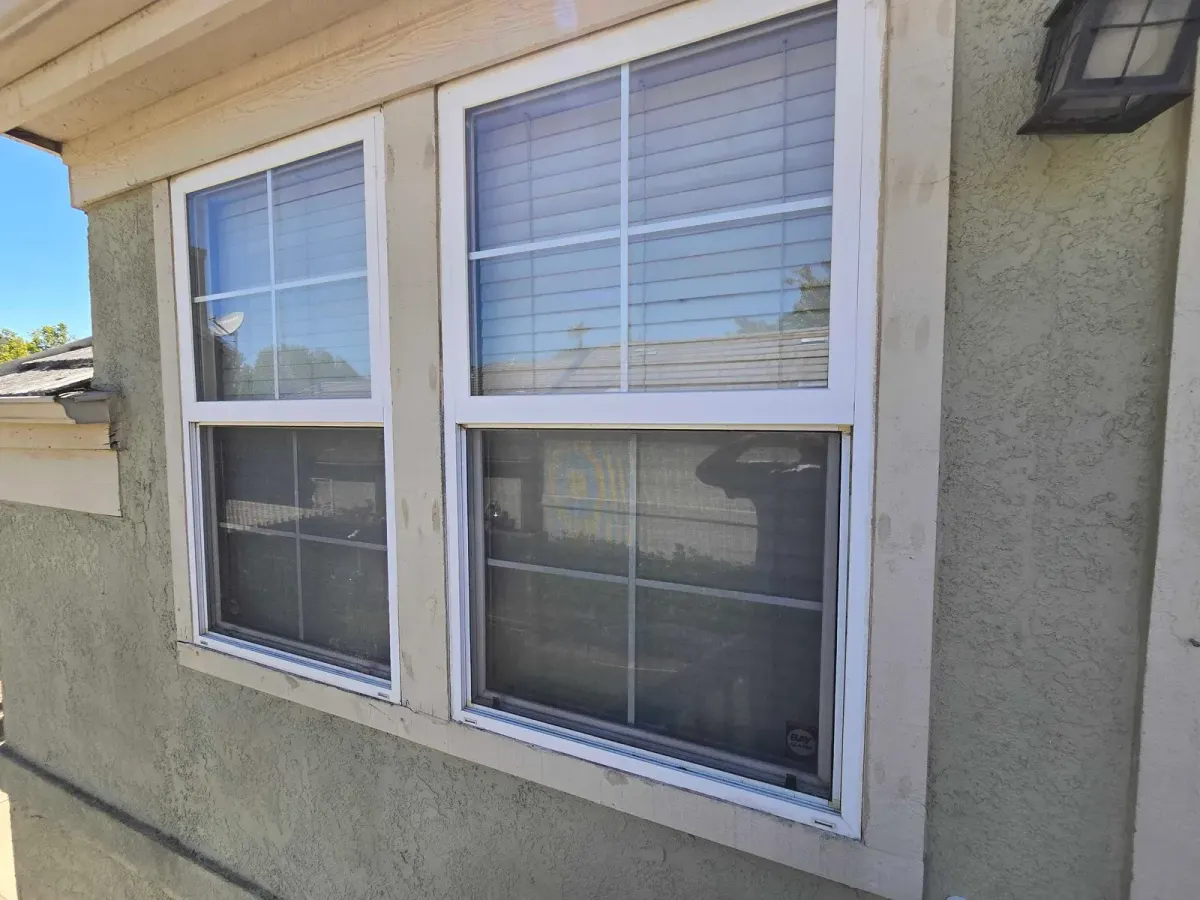
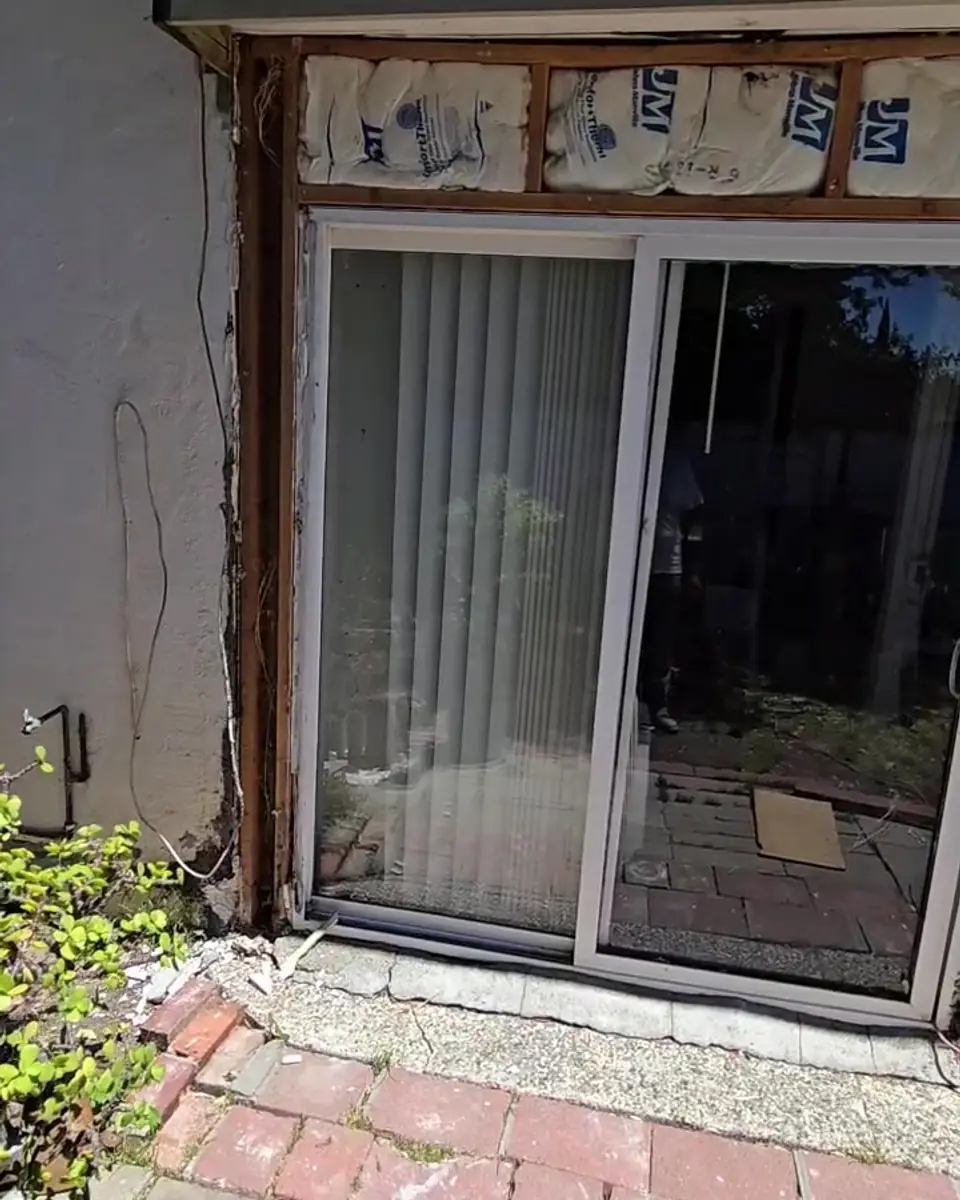
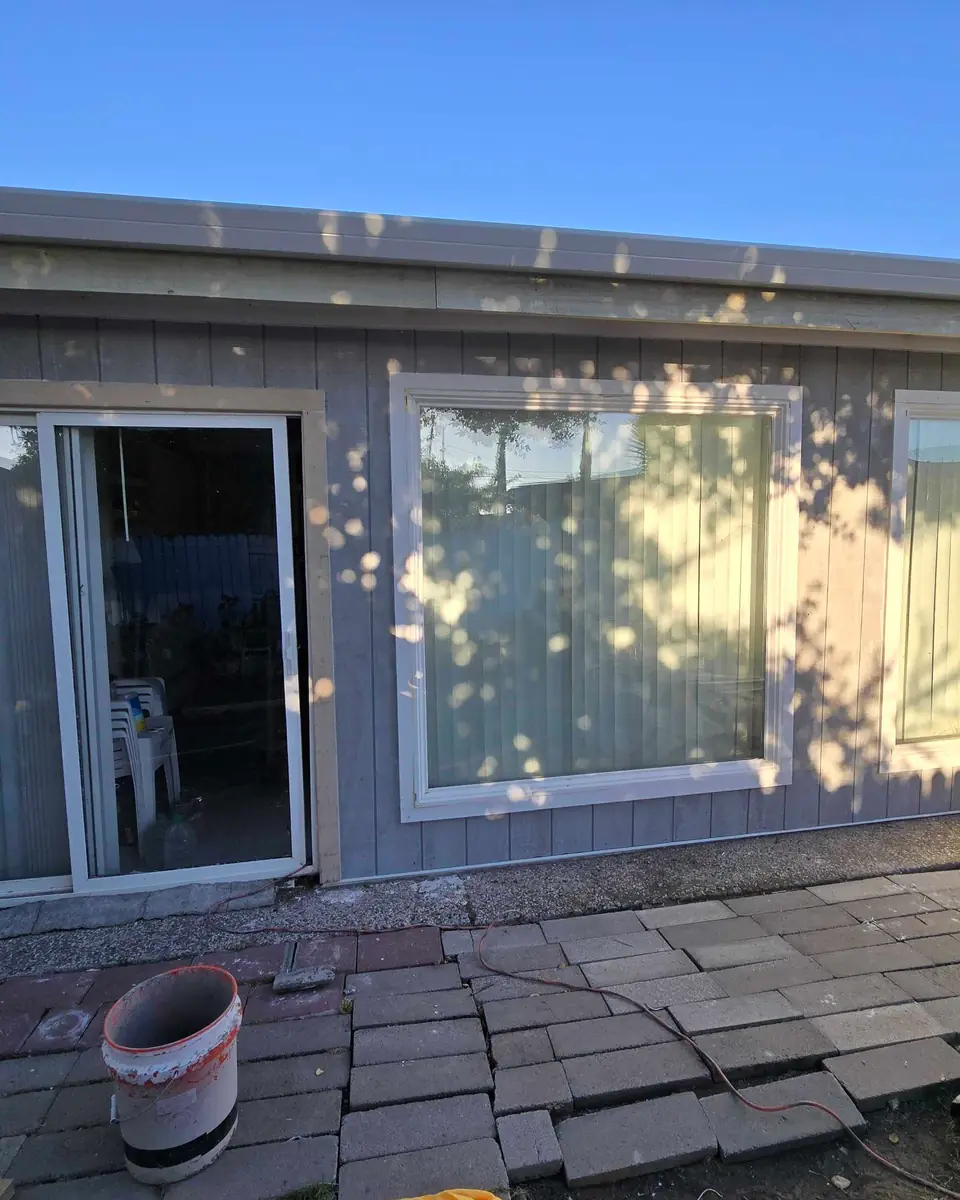
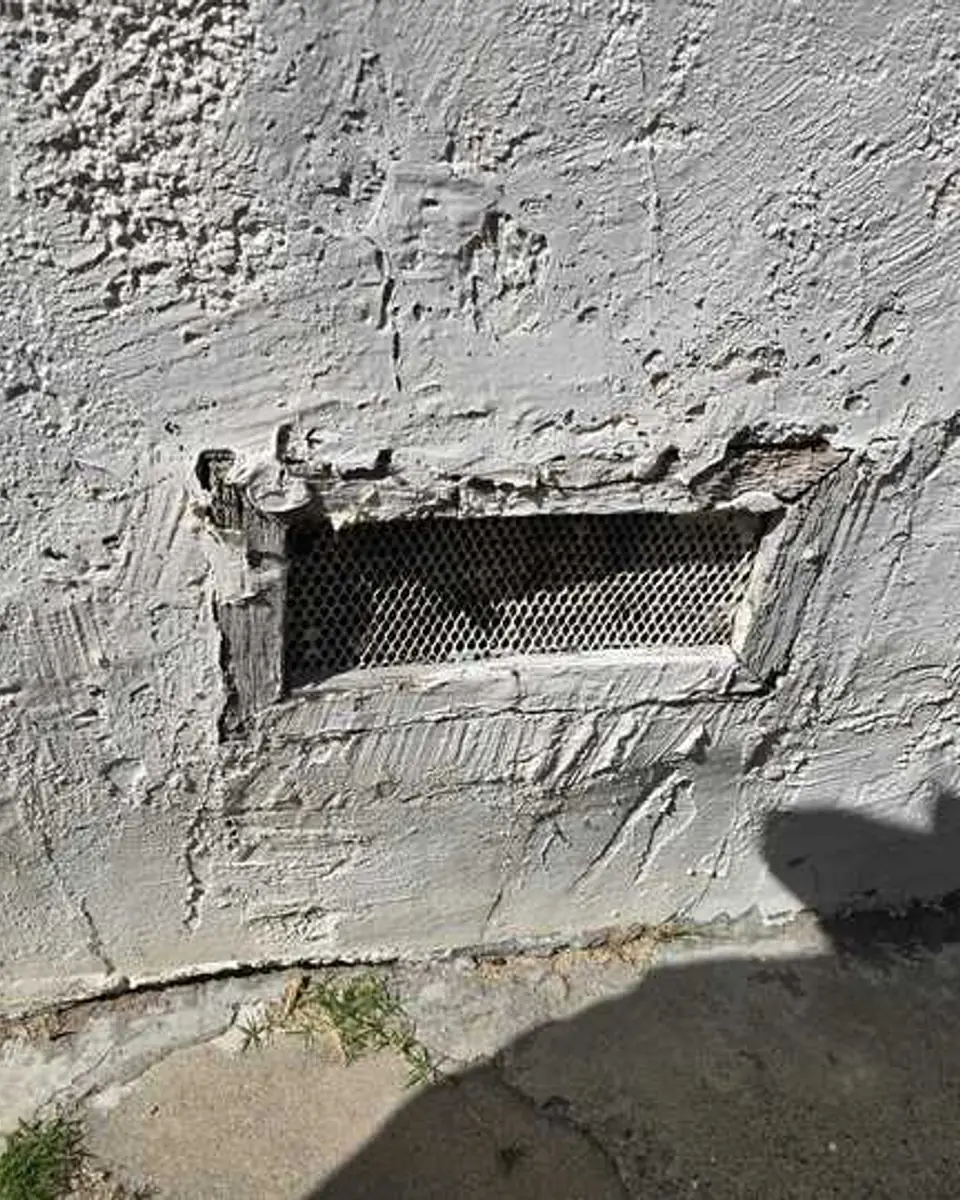
Opened wall framing, vent damage and completed exterior finishes from Steady Craftsman projects.
What we found
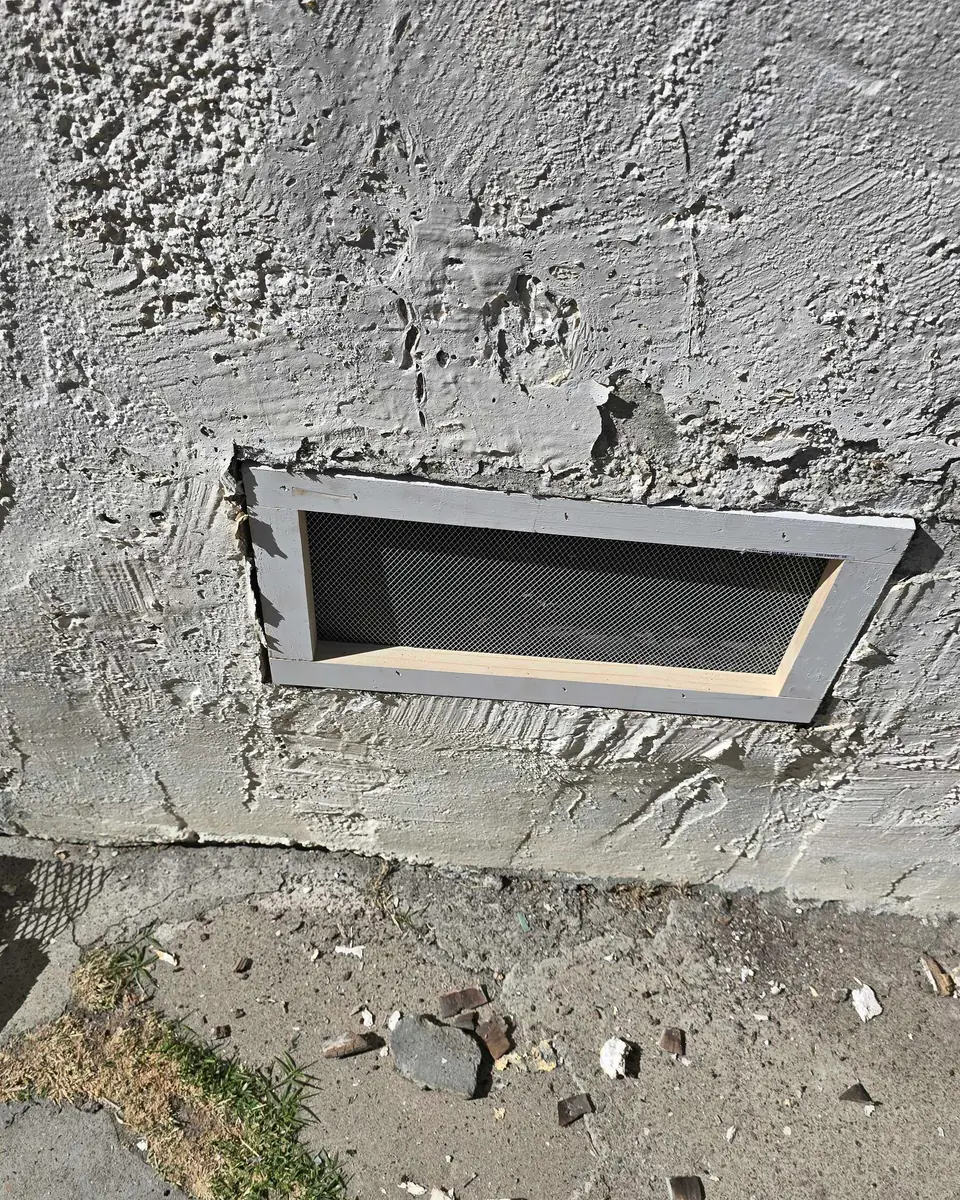
Exterior wall damage appeared at the vent area and along the bottom plate beside a sliding door.
What we did
The affected sections were opened to sound material, rebuilt and closed with matching wall details.
Result
The vent surround was repaired, and another elevation received new panel siding and trim.
During: wall opened beside the slider to expose the framing.After: new panel siding and trim on the repaired elevation.Before: damaged wall finish around the vent opening.After: repaired wall surface and finished vent opening.
Shared Steady Craftsman examples
See a porch-railing repair example
See visible wood deterioration, a replacement post during work and a silent finish walkthrough. Project locations are unnamed.