
Bay Area service guide · 01
Dry rot & exterior trim repair in the Bay Area
Find the affected wood. Rebuild the right detail.
Damaged window trim, an opened wall base or peeling fascia can point to different repair scopes. See the real company photos, then follow the process for reviewing wood, moisture paths, access and finish at your own Bay Area property.
Request a scope review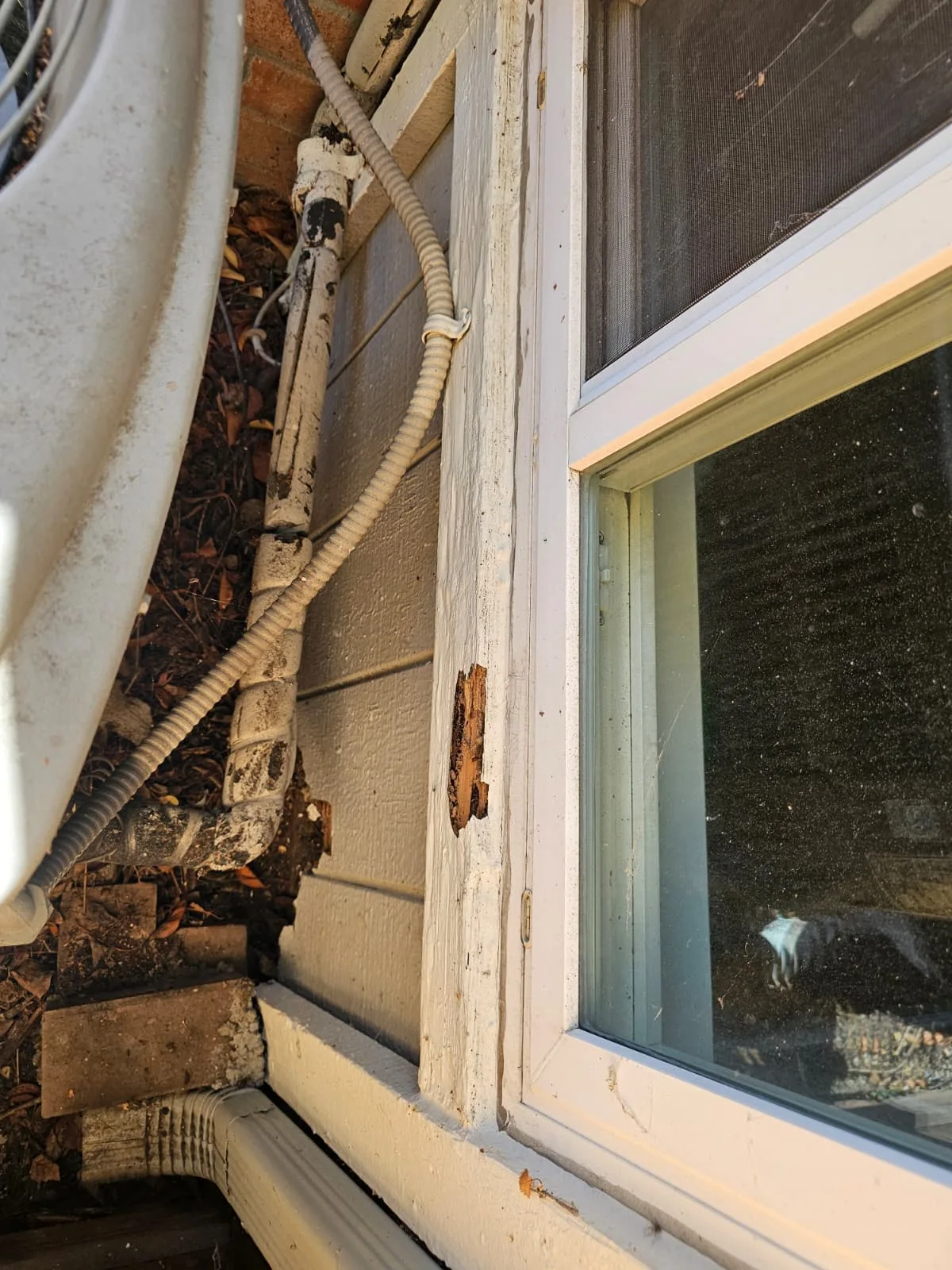
Before work is scoped
Start with what you can see.
A photograph starts the conversation, but the property itself determines the repair. Note the affected part of the house and any access or safety concern.
- 01Paint lifts or splits at a window, door or fascia joint.
- 02Wood looks dark, broken or crumbly at an exposed edge.
- 03Staining returns after a previous cosmetic repair.
- 04An opened section reveals a larger affected area than the finish suggested.
What a scope review covers
- Identify the affected part of the house and safe access.
- Review visible wood and the possible moisture path.
- Agree on what will be opened and which materials or profiles must match.
- Separate roofing, structural or other specialist work before approval.
Photos to prepare
Take a safe overview and a close-up. Add the address, when the issue began and any access restriction. Do not probe or use an unsafe area for a better photo.
Safety and scope first
Do not climb to inspect a roof edge or open a suspect wall yourself. A photograph cannot show the full depth of decay; the actual opening and trade requirements determine the scope.
The repair sequence
From first concern to final review.
Each stage separates what the supplied company photos document from what to expect when a similar repair is planned for your property.
- 01
Identify the damaged detail
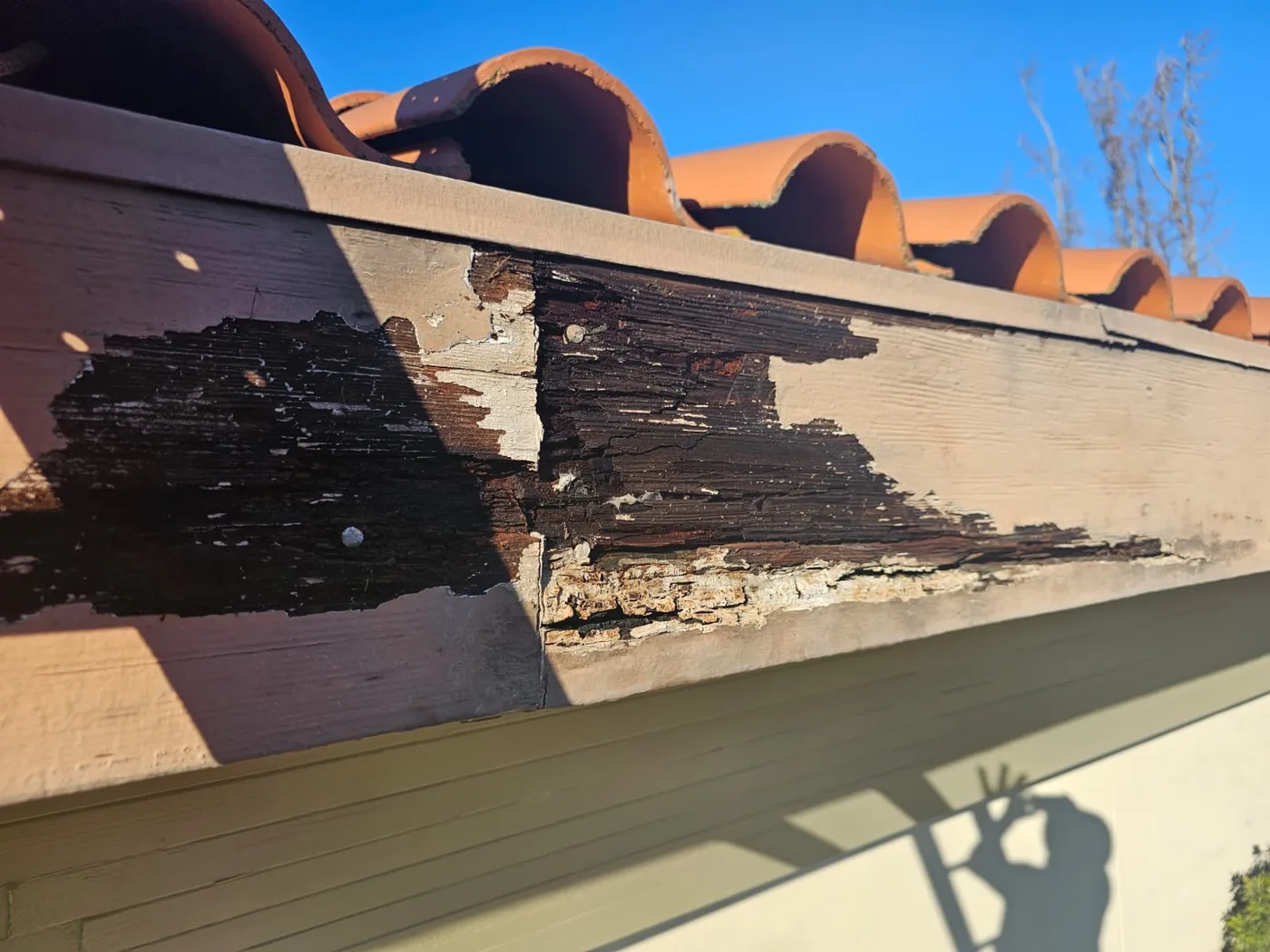
Project evidence: The gallery records separate examples at window trim, a lower wall and fascia.
For your repair: Show the whole opening or eave plus a safe close-up. Note when the finish changed and any known water history.
Steady Craftsman company project example · stage 1 - 02
Review the moisture and access questions
Project evidence: The condition images show visible deterioration but do not diagnose its source.
For your repair: Assess the surrounding materials and access; determine whether a roof, flashing, drainage or other specialist question sits outside the carpentry scope.
- 03
Set the written repair boundary
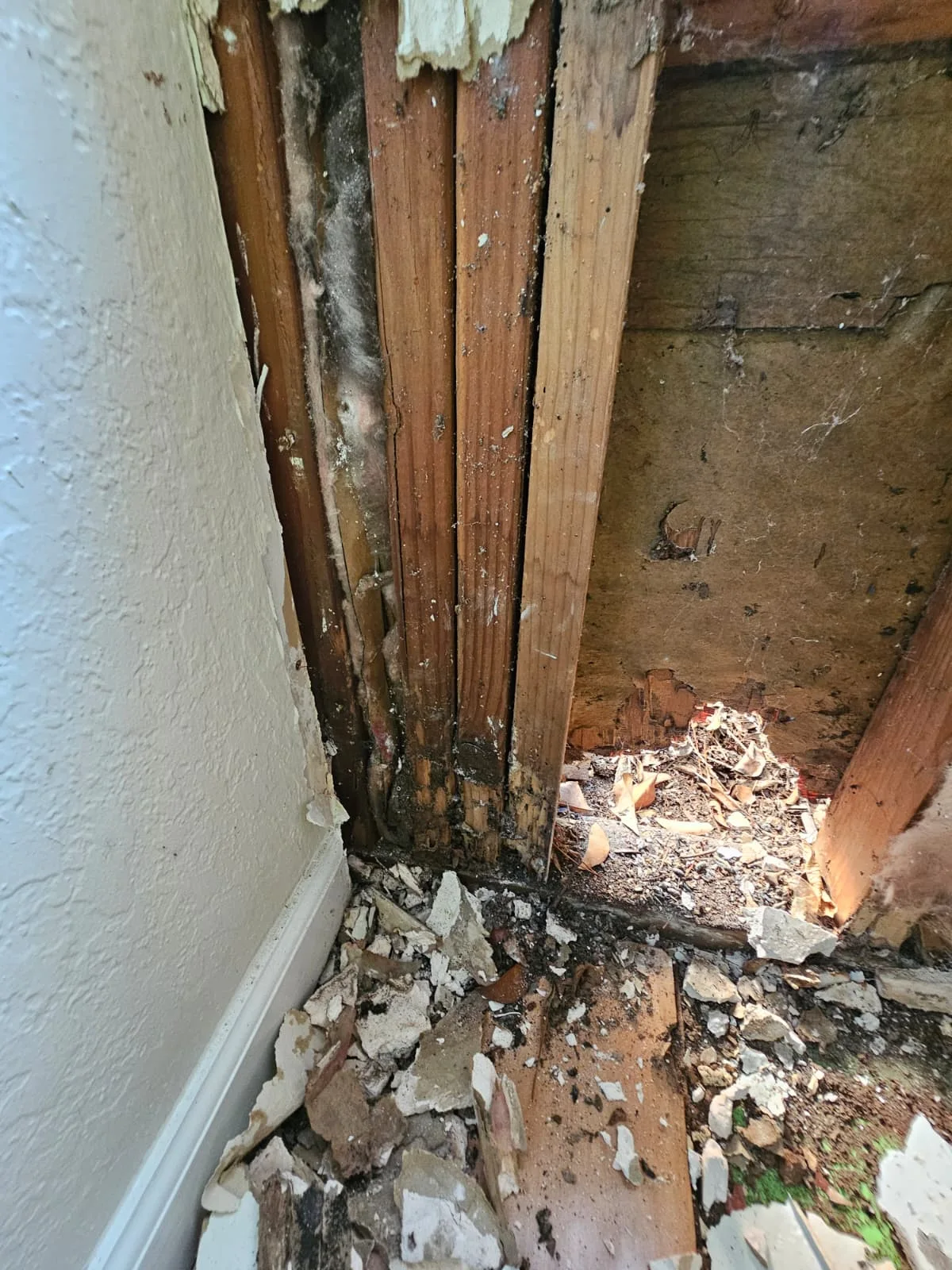
Project evidence: The opened wall-base photo shows why surface appearance alone cannot define the full area.
For your repair: Agree on controlled opening, the replacement profile, finish and how any newly exposed damage will be handled.
Steady Craftsman company project example · stage 3 - 04
Remove affected wood and rebuild
Project evidence: The supplied condition photos do not document every removal or replacement step for one matched job.
For your repair: Only the agreed area is removed and rebuilt to the appropriate scope; concealed issues prompt a scope review before extra work.
- 05
Close and finish the detail
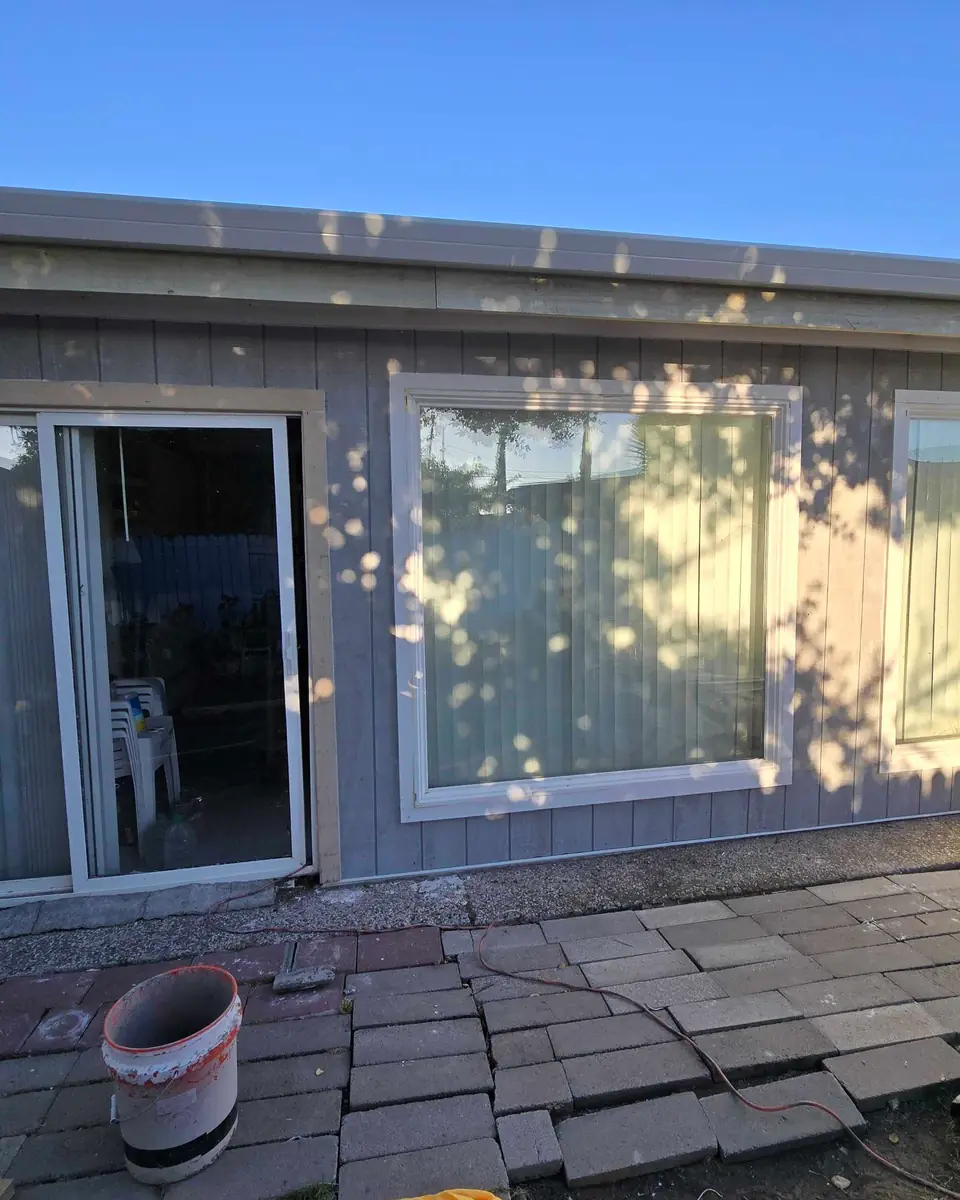
Project evidence: A separate company example shows completed exterior siding and trim, not a matched after photo of the pictured window or fascia.
For your repair: Review profile matching, adjoining surfaces and coating preparation for the specific property.
Steady Craftsman company project example · stage 5 - 06
Review the visible result
Project evidence: The available exterior photos do not establish a single before-and-after outcome for all three condition examples.
For your repair: Compare the completed woodwork and finish against the agreed scope, then document remaining maintenance or moisture-source items.
Planning your project
What to expect before and during the work.
The site review determines how far material needs to be opened, whether matching trim is available and whether another trade must address the moisture path. Access, hidden damage and finish conditions can change the sequence; changes should be agreed before additional work.
Describe your repair concernBay Area address review
Santa Clara, Campbell, Los Altos and Belmont are within the mapped Bay Area territory. The project photos on this page are company examples, not claims that the pictured jobs took place in those cities. The actual address, scope and current availability are confirmed before a visit.
Read the Bay Area service-area guideCompany project evidence
Three conditions. Three separate company examples.
The portfolio shows damaged window trim, an opened lower wall and decayed fascia. These photos help a homeowner recognize different dry-rot questions, but they are not one before-and-after job. A separate company photo shows a finished siding-and-trim detail; its connection to these conditions is not verified.
Questions before you plan
What else should you know?
Can new paint stop exterior wood rot?
Paint can protect sound, prepared wood but cannot establish that damaged wood or the moisture path has been addressed. Scope the wood and adjoining detail first.
Does a trim repair include the roof or window?
Not automatically. The trim, window assembly, roof and drainage path are separate scope questions that are confirmed for the property.
Ready to look at your Bay Area repair?
Talk it through with Bat and Joe. Describe what you are seeing, where the property is and when it started; the scope is confirmed on site, not from a photo.
Before your Bay Area scope review
Read the guide for the decision ahead.
Separate a finish problem from damaged wood, and include the water path in the scope discussion.
- What changes the cost of a dry-rot repair?
- How to prepare for a wood-rot assessment without disturbing the damage
- A leak was fixed. Is the wood ready to close up?
- More damage appeared after opening: what should a revised repair scope explain?
- After a wood-rot repair: a practical homeowner closeout checklist
- Rotted Window Sill: Repair or Replace?
- Residential and Commercial Water-Damage Repair: Which Trade Handles Each Stage?
- Commercial Interior-Trim Water Damage: Plan Access and Finish Boundaries
- Dry Rot, Water Damage or Moisture Damage? Understanding the Repair Question
- Mold and Damaged Wood: What Must Be Resolved Before Repairs?
- Water Stain or Deteriorated Wood? What Safe Photos Can Show
- Water-Damaged Door Thresholds: Define the Repair Boundary
- Patio-Door Surround Damage: Separate Carpentry from the Door Unit
- Fascia and Soffit Water Damage: Repair Scope After the Water-Source Review
- Lower Siding and Trim Moisture Damage: Where Should the Scope Stop?
- Water Damage Below a Kitchen Sink: Cabinet Base, Floor or Both?
- Ceiling Damage After an Upstairs Leak: What Belongs in the Repair Proposal?
- Deck and Balcony Moisture Damage: Boards Are Not the Whole Assembly
- Crawlspace Moisture and Damaged Wood: Coordinate the Right Specialists
- Dry to the Touch Is Not the Same as Sound Wood
- Drying Equipment and Wood Repair: Two Different Parts of a Water-Damage Project
- Water-Damage Repair Records for Property Owners and Managers
Project examples do not establish your property's condition or a local project address. Confirm coverage, service fit and availability for your address.